

Alcoholic drinks have high levels of sugar that could be driving up people’s weight.
Articles on Sugar
Displaying 61 - 80 of 207 articles

Eighteenth-century Quakers attempted to align their religious beliefs with what they purchased. These Quakers led some of the early campaigns against sugar being produced by enslaved people.
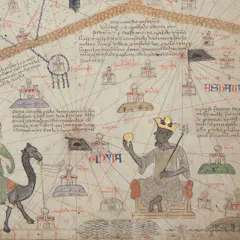
Born in Blackness by Howard W. French is a towering work. It argues that, because of gold and slavery, Africa is central to creating the modern world.

This is a transcript of The Conversation Weekly podcast episode published on January 20 2022.

Plus, a lawyer explains the legal battle over Canada’s discriminatory First Nations child welfare system. Listen to The Conversation Weekly.

Sugar gets a bad rap, but exactly which sugar is meant? Nutrient-dense sweet ripe fruits are a far cry from refined table sugar – and their differences can have big health implications.
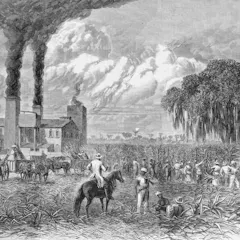
Sugar has deep links with slavery in the US, but Black workers weren’t the only ones affected. In post-Civil War Louisiana, Chinese workers also toiled cutting and processing cane.
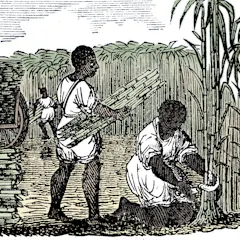
Before the Civil War, US activists sought to combat slavery through sugar boycotts. Instead, consumption grew.

Kids often crave processed sugary foods. But research shows that consuming too many treats during childhood and adolescence may lead to behavioral and emotional problems.

A healthy diet can include some candy. But if you eat too much, it can interfere with your appetite for the stuff your body actually needs.

Children who are fed diets high in added sugars are more likely than children with lower sugar intakes to have a number of negative health consequences as they develop.

If you ever feel like you can’t stop eating sugar, you are responding precisely as programmed by natural selection. What was once an evolutionary advantage has a different effect today.

Just because something is sweet doesn’t necessarily mean it is sugary. There are a number of molecules that taste sweet. To understand how and why takes a little bit of chemistry.

A new study looked at advertising and purchase data for children’s drinks and suggests that ads and pricing strategies contribute to sweetened children’s drink purchases.
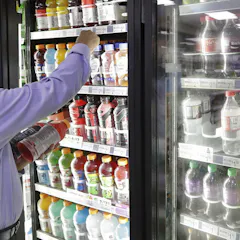
B.C. recently began taxing sugary drinks. Examples from Europe show the scientific basis for taxing unhealthy foods may have little impact on whether these taxes are adopted or remain in place.
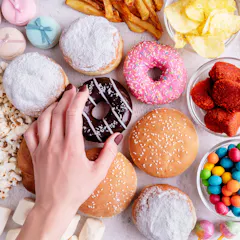
The negative effects are likely caused by the same mechanisms behind why sugar makes us feel so good.

They seem like a real thing but scientists have done experiments and found they’re actually a myth.

The evidence is clear: a tax on sugary drinks would reduce consumption. All that’s needed is political leadership that prioritises health above the profits.

Australia’s use of Pacific Islander workers in the late 19th century was part of a much bigger story of British sugar barons and the trans-Atlantic slave trade.
20th-century fad diets didn’t look all that different from those popular today.
Top contributors
-

Professor of Public Health Policy, Deakin University
-
Associate Professor in Biology and Biomedical Science, Aston University
-
Honorary Associate Professor, University of Leicester
-
Senior Lecturer (Adjunct), Nutritional neuroscientist, Adelaide University
-
Professor of Community Health and Wellbeing, The University of Queensland
-
Retired nutritionist, Defence Science and Technology Organisation
-
Associate Professor and Director of the SAMRC/Wits Centre for Health Economics and Decision Science - PRICELESS SA (Priority Cost Effective Lessons in Systems Strengthening South Africa), University of the Witwatersrand
-
Accredited Practising Dietitian and Lecturer, Southern Cross University
-
Associate Professor of Health and Wellness Studies, Binghamton University, State University of New York
-
Accredited Practising Dietitian; Lecturer in Nutrition and Dietetics, Flinders University
-
Senior Visiting Fellow, School of Medical Sciences, UNSW
-
Associate Professor of Chemistry, University of Richmond
-
Associate professor, University of California, Merced
-
Professor and Programme Director, SA MRC Centre for Health Economics and Decision Science - PRICELESS SA (Priority Cost Effective Lessons in Systems Strengthening South Africa), University of the Witwatersrand
-
Professor of Population Health, University of Oxford