

A GP reflects on the lessons of Eric Schlosser’s ‘muckraking’ classic. A necessary health check on the world we’ve built, it urges us all to take back our agency.
Articles on Ultra-processed food
Displaying 1 - 20 of 67 articles

UPFs dominate health debates, yet researchers still disagree on what the term means and how useful it really is.

New research shows how human behaviour and biology are harnessed to create feedback loops that drive people to buy and eat more ultra-processed foods.

Diets high in ultra-processed foods are linked to many serious diseases, but without recent nutritional surveys there are gaps in understanding the health impacts.

Red meat and dairy may be grabbing the headlines, but processed foods and sugary drinks remain the real drivers of chronic disease.
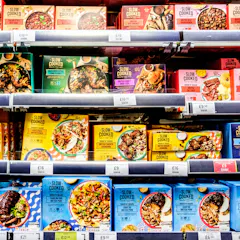
Firms will add new products to their ranges – but they’re unlikely to abandon reliable profits from unhealthy foods.

Irregularities in how the government developed the updated guidelines raise questions about its conclusions.

Australia can learn from other countries to introduce a universal free school lunch program that benefits children, families, local farmers and the planet.

One night of Halloween treats won’t harm your kids’ health long term. But the sugar and excitement can disrupt their sleep – and yours.

‘Ultra-processed’ has become a moral label, not a scientific one. Research shows why the term could be causing confusion, guilt and misinformation.

A consensus is emerging among scientists that certain foods are addictive for some people. But questions remain about which foods, which people and why.

Processed foods vary greatly in their nutritional quality – and the number and type of food additives used to manufacture them.
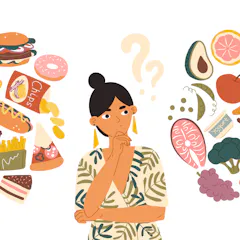
A recent study has shown consuming minimally-processed, home-cooked foods is better for your weight and your overall health.
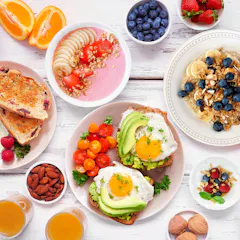
Chocolate and porridge are both popular but only one gets binged. Why? Our psychology plays a bigger role in overeating than food labels alone.

These foods make up one-third of kids’ daily energy intake.

Research shows that the effects of ultra-processed foods can accumulate over time, adding to the risk of heart attack, stroke and other serious health issues, even for healthy people.

The majority of children’s diets in the US consist of ultraprocessed foods, which a growing body of research suggests can lead to metabolic diseases and other conditions.

Most of us already get enough protein in our diet.

Over 35 years after the first study linking Red 3 to thyroid cancer in rats was published, the US is beginning to wean it out of foods and drugs.

The USDA oversees food production and much more. However, it has little direct power to reduce food prices – a centerpiece of President Trump’s campaign.
Top contributors
-

Associate Professor of Gastroenterology, School of Medicine, University of Washington
-
ARC Future Fellow and Sydney Horizon Fellow, School of Public Health, University of Sydney, University of Sydney
-
Professor of Public Health Nutrition, Institute for Physical Activity and Nutrition, Deakin University
-
NHMRC Emerging Leadership Fellow, Institute for Physical Activity and Nutrition, Deakin University
-
Associate lecturer, Nutritional Biochemistry, University of Hertfordshire
-
Lecturer in Public Health Nutrition, Leeds Beckett University
-
Laureate Professor in Nutrition and Dietetics, University of Newcastle
-
Senior Research Fellow in Population Health, University of Auckland, Waipapa Taumata Rau
-
Program Lead, Food Governance, George Institute for Global Health
-
Professor and Associate Dean for Research, College of Pharmacy, University of South Carolina
-
Professor of Public Health Policy, Deakin University
-
Lecturer, Dietetics, Cardiff Metropolitan University
-
PhD Student, Social Anthropology, Dalhousie University
-
Honorary Associate Professor, University of Leicester
-
Postdoctoral Fellow, The Brain and Mind Institute, Department of Psychology, Western University