
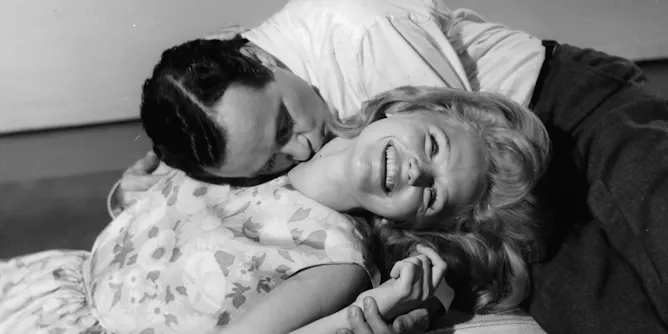
The neck’s vitality and vulnerability are rooted in a quirky evolutionary history.
Articles on Vampire
Displaying all articles
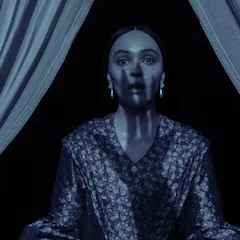
Creepingly scary, this take on Nosferatu is unsubtle and beautifully wrought.
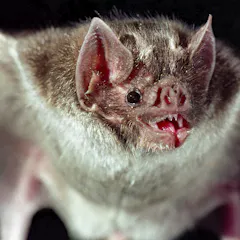
A behavioral ecologist explains the reciprocal social relationships vampire bats maintain, in sickness and in health.
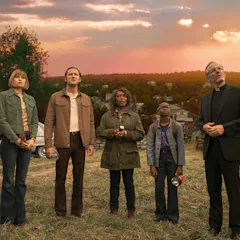
The film transposes Bram Stoker’s Dracula to 1970s New England.
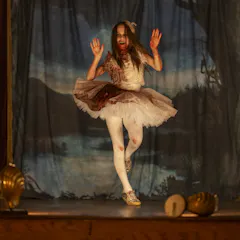
Though she appears to be a child, we soon learn Abigail is centuries old, and has developed a habit for ‘playing with [her] food’
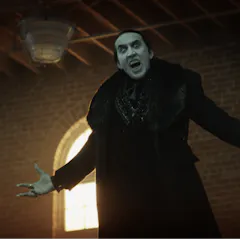
Renfield attempts to remodel the vampire movie to 21st century specifications.
A newsletter sends out chronological snippets from the 125-year-old novel ‘Dracula.’ Fans on the internet go wild.
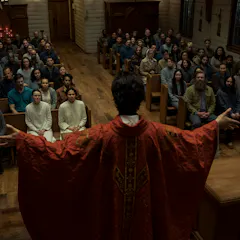
A scholar of religion in film explains the varied representation of Catholicism in horror. In some films, it is used in the fight against evil, while others show the Church itself as evil.
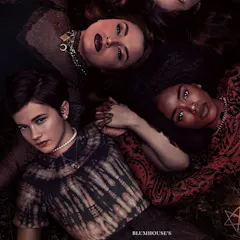
Some horror films explore women’s struggles for empowerment, sexual freedom and self-fulfilment. Six movies show the ghost, bride, mother, vampiress, witch and monster as guises of vengeful women.
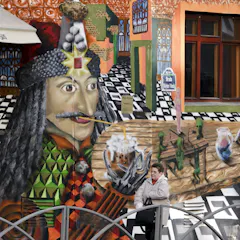
Did vampires ever really exist? The myth is likely related to a medical condition with symptoms that may explain many elements of centuries-old vampire folklore.
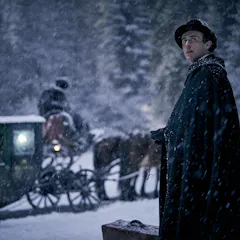
Ever since Dracula was born in the late 19th century, every age gets the vampire it deserves.
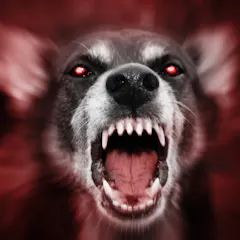
Fear of a disease that seemed to turn people into beasts might have inspired belief in supernatural beings that live on in today’s creepy Halloween costumes.
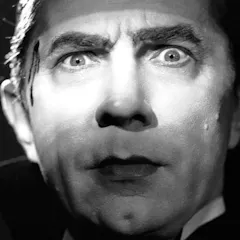
One of the reasons the myth of vampires endures and captures the popular imagination is that vampires are a powerful metaphor for a wide range of cultural practices and social problems.
Top contributors
-

Assistant Professor, Department of Pediatrics, Queen's University, Ontario
-
Lecturer in Victorian literature, School of Humanities, University of Strathclyde
-
Professor of Literature and Culture, Lancaster University
-
Postgraduate Researcher in the School of English, University of Leeds
-
Assistant Professor of Museology, University of Iceland
-
Master Lecturer of Rhetoric, Boston University
-
British Academy Global Professor, Queen's University, Ontario
-
Assistant Professor of Slavic Languages and Literatures, University of Virginia
-
Associate Professor of U.S. History, University of British Columbia
-
Adjunct professor, Human Ecology, University of Alberta
-
Senior Lecturer in American Literature and Film, Loughborough University
-
Assistant Professor of Ecology and Evolutionary Biology, University of Tennessee
-
Associate Professor of Digital Media Practice, University of Southampton
-
Professor of Biology, Trinity College