
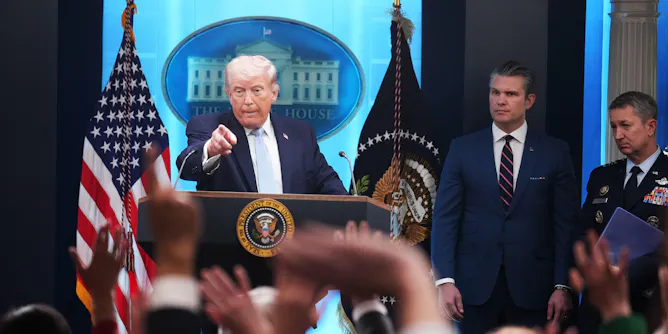
Even the Republicans in Congress were beginning to pressure the Trump administration over whether the conflict was constitutional.
Articles on War Powers Resolution
Displaying all articles
Donald Trump’s unilateral move to engage in military action against Iran isn’t unprecedented; Presidents Obama and Clinton directed U.S. military engagements without explicit congressional approval
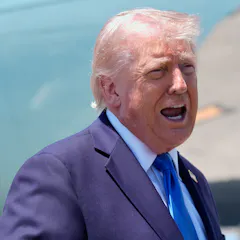
Under the War Powers Resolution, Trump has only 60 days to engage in conflict without congressional approval. Congress must now decide how to act.
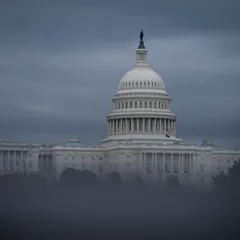
Congress has refused to exercise oversight of the Iran war, with Republicans nixing Democrats’ attempts to exercise legislators’ power over military engagements. That’s nothing new.

As critics question President Trump’s motivations for war on Iran, it’s not just about politics. It’s about the Constitution and whether Congress has any hope of checking the president’s warmaking.
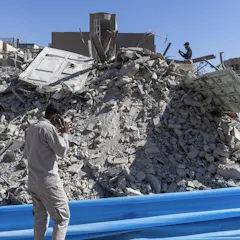
At the tail end of the Vietnam War, Congress engaged in a breathtaking act of legislative assertion, affirming that lawmakers held the power to declare war – not the president.
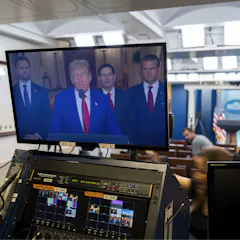
Against the backdrop of US attacks on Iranian nuclear sites, a scholar of presidential powers examines the history and current use of the laws around US military action.
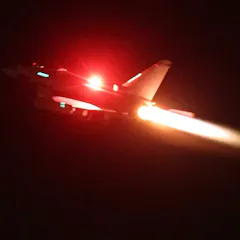
In the wake of US attacks against Houthi militants in Yemen, a scholar of presidential power to use the military examines the history and present of the laws around US military action.
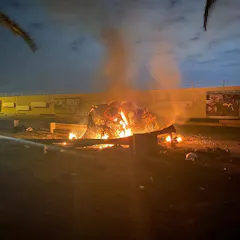
A new proposal also puts pressure on presidents to evaluate their foreign policy objectives more clearly to determine whether military action is, in fact, appropriate.
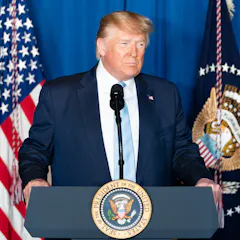
Both President Trump and President Obama used military force without informing Congress, or getting its approval. But the differences reveal more than the similarities.
Top contributors
-

Associate Professor of Political Science, Rochester Institute of Technology; Institute for Humane Studies
-
Associate Professor of Political Science, Boise State University
-
PhD Candidate, Political Science, Carleton University
-
Assistant Professor of Public Policy and Politics, University of Virginia
-
Emeritus Faculty, US government and politics specialist, Australian National University
-
Professor of Political Science, University of Louisville
-
Lecturer in History and International Studies, Leiden University