
Women’s Health Matters is a comprehensive resource designed to empower women and provide them with the information they need to make informed decisions about their health and wellbeing.
Articles on Women's health series
Displaying 1 - 20 of 41 articles

Ten years of studying miscarriage has taught me that no two women will have the same experience.

All the things you wanted to know about your genitals but were too afraid to ask.

Abortion has a long and varied history and remains central to our culture, our lives and even our art.
Our research showed that the mechanisms causing chronic pelvic pain vary from person to person.
Studies have found that the gut microbiome in women with PCOS differs from those without the condition.

Workplace initiatives for women to discuss health and wellbeing can be formal or informal but they should focus on individual needs to be sustainable.

IVF doesn’t always work, but clinics often don’t make that clear to patients.
We’ve put together a mini-series on birth and early motherhood, an area many of our readers felt they wanted more evidence-based information on.
Understanding our menstrual cycle and taking a proactive approach to our periods is vital to improving sports performance.

How to improve your pelvic floor and get active after giving birth.

It’s normal for desire to change and fluctuate – even on a daily basis.

Women’s wellbeing paradox: unhappier than men but more social, with higher levels of emotional resilience.

One in 25 women who give birth develop postnatal PTSD. I am one of them.
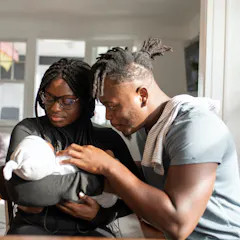
New motherhood is often portrayed as a time of joy but it can also be filled with fears and complicated feelings. Here’s how you can get help and support.
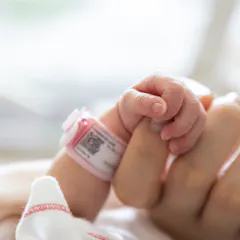
Midwives get blamed but contradictions in policy sometimes tie their hands.

New research shows that breastfeeding rates peaked in 2020, a time of strict COVID restrictions.

Around 17% of elite women athletes who were given an individual bra assessment said it had significantly improved their performance.
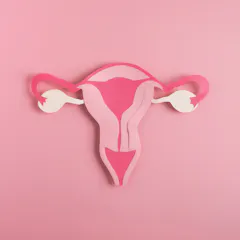
A womb transplant can be life changing for the recipient, but there are serious ethical considerations too.

Using urine in pregnancy testing dates as far back as ancient Egypt.
Top contributors
-

Emeritus Professor of Psychology, University of Florida
-
Research Fellow, Melbourne Sexual Health Centre, Monash University
-
Research Fellow in Women's Health at Monash University and Honorary Researcher, General Practice and Primary Health Care Academic Centre, The University of Melbourne
-
Associate Professor of Public Health, Wake Forest University
-
Research analyst in Family Medicine, University of Sydney
-
Finkel Professor of Global Health, Monash University
-
Professor of Sociology, Wake Forest University
-
Research Fellow, Family Medicine Research Centre, Sydney School of Public Health, University of Sydney
-
Senior Research Officer General Practice, University of Sydney
-
Associate Professor, Cancer Survivorship and Primary Care, Caring Futures Institute, Flinders University; Western Sydney University
-
Research Fellow, The University of Melbourne
-
Professor, Obstetrics and Gynaecology and Head of Department of Urogynaecology, UNSW
-
Associate professor, Director of the Family Medicine Research Centre, Sydney School of Public Health, University of Sydney
-
Professor, Head of Research Translation and Head of the Genital Mycoplasma and Microbiota Group, Monash University
-
Professor, Deakin University