
A 2025 study shows that an AI-based tutor improves learning when it prompts reasoning and is paired with peer discussion.
Education – Articles, Analysis, Opinion
Displaying 101 - 125 of 2222 articles
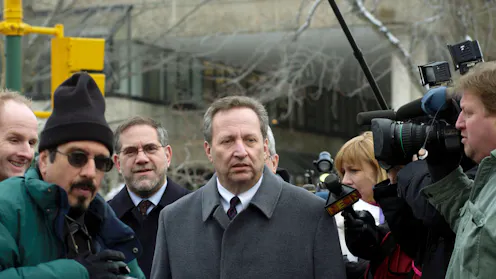
Despite repeated calls for the university to revoke his tenure, the economist held onto his teaching and academic appointments until he chose to retire.
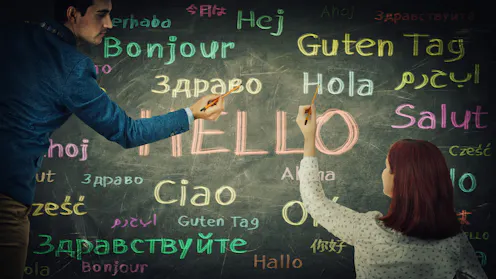
While a young language learner can more easily acquire a native accent, adults retain the ability to learn new languages well into later life.
Nearly 150 universities and colleges have adopted institutional neutrality pledges since 2023.
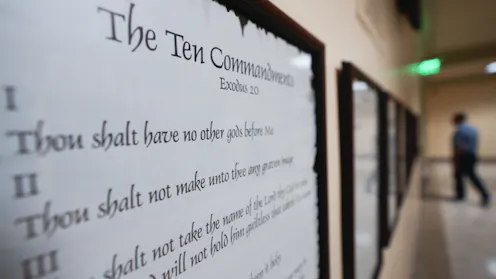
The phrase ‘separation of church and state’ dates back to a letter from Thomas Jefferson to a Baptist congregation.
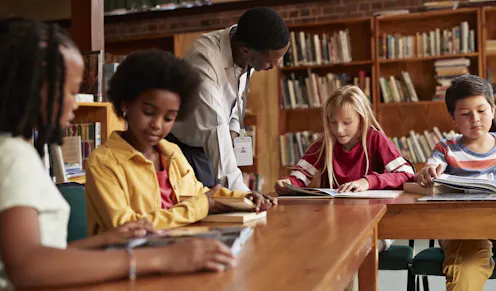
Well-designed school library policies make space for community feedback while preserving intellectual freedom.
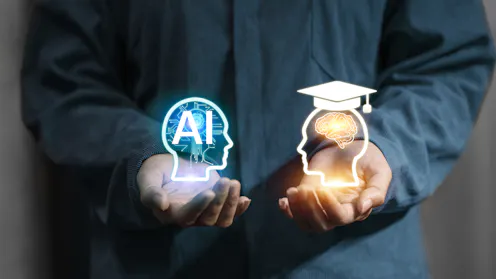
Colleges and universities are taking on different approaches to how their students are using AI – but with a shared recognition that they cannot prevent it altogether.
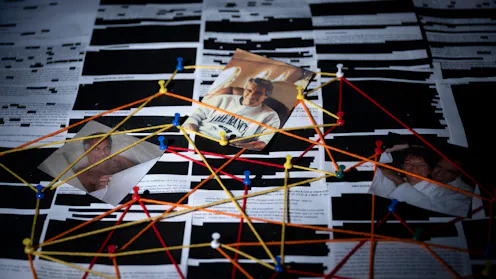
A small portion of university research funding comes from individual donors. Most universities have policies in place to protect against wrongdoing.
Automating knowledge production and teaching weakens the ecosystem of students and scholars that sustains universities, raising existential questions about their mission.
Approximately 52% of teachers in 2024 said they would not advise young adults to enter the profession.
A sociologist explains how Black students in Philadelphia navigate racial prejudice and find affirmation in their schools.
Dyslexia laws are now nearly universal across the US. But the data shows that passing a law is not the same as improving how children learn to read.

New research shows that parents who read to their 6- to 8-year-olds nightly boost their children’s creativity and empathy.
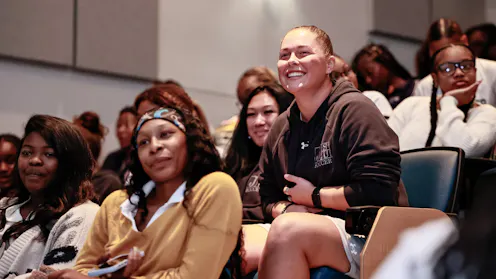
HBCUs make up just 3% of the country’s colleges and universities. But their graduates include 40% of Black engineers and 50% of Black lawyers.
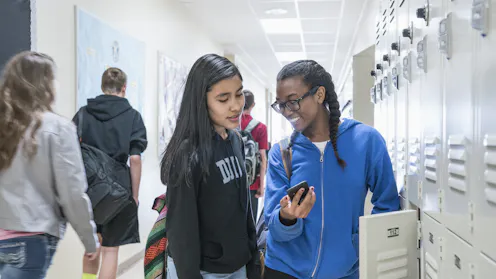
While cellphone bans at schools can help students connect more with peers, they can also make students feel less safe and independent.
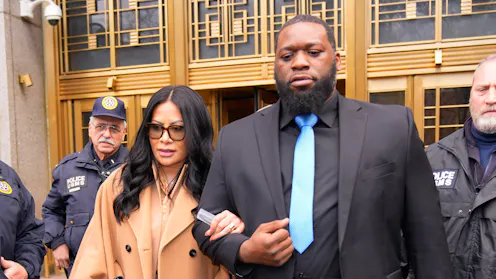
While wealth and power can go a long way in fighting a criminal conviction, sometimes these factors fall short.
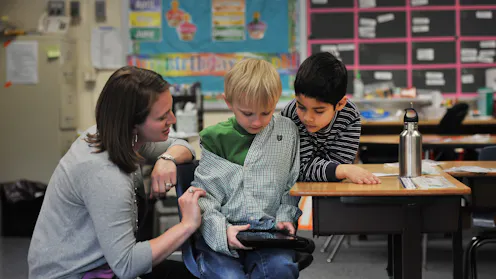
As AI spreads in special education, the question remains: Can these tools uphold the individualized, legally protected services students with disabilities need?
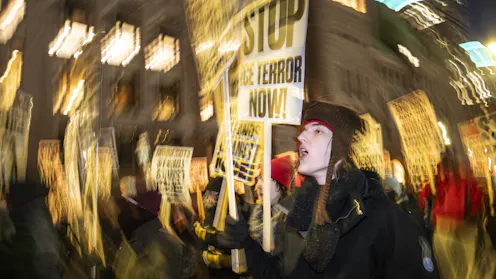
When protesters experience repression and violence, whether or not they have legal education can help determine continued involvement in a protest movement.
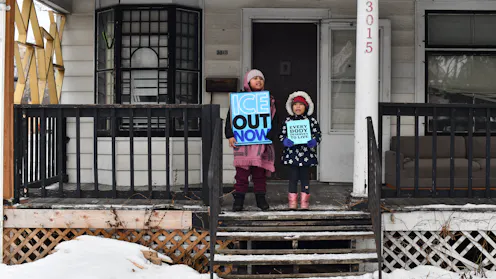
Children with a parent or family member who is detained, or are part of a drawn-out immigration court case, are twice as likely to have anxiety as young adults.

High school students in the US often learn about Latin America through the lens of the US, as a main character that exerts power.
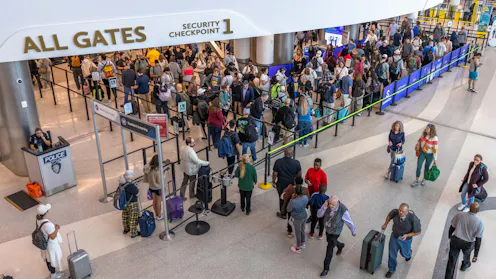
Nearly three-quarters of tourism professors are white, a recent analysis found, and nearly half are white men.
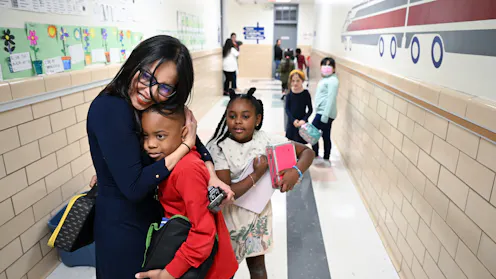
The current landscape of AI use in K-12 schools is highly varied because there’s little specific policy guidance from the state and federal levels.
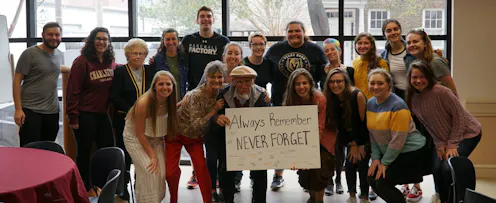
Students respond to history that feels local and personal. There are ways to do that even as Holocaust survivors pass away, one professor writes.
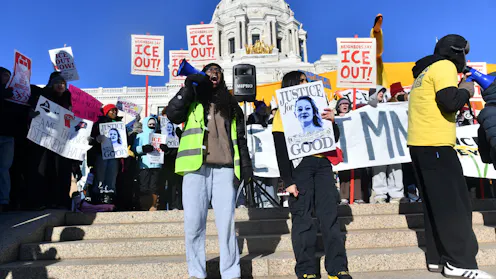
While federal immigrant agents need to produce a judicial warrant to enter a classroom, they can freely operate in public spaces at and around schools.
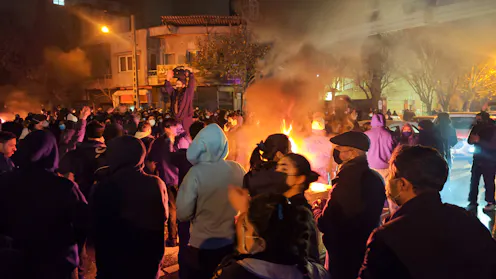
Iranian universities have long been places of reform and political imagination – as well as targets of censorship and repression.