
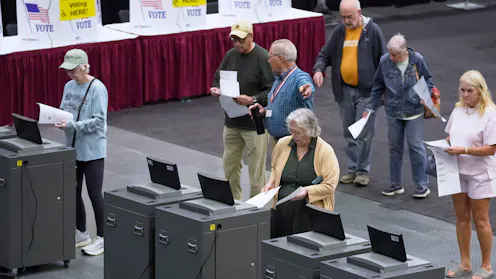
A midterm election is coming. In the face of wavering voter trust – some of it driven by forces outside their control – what can election officials actually do to keep elections credible?
Politics + Society – Articles, Analysis, Opinion
Displaying 1 - 25 of 6584 articles
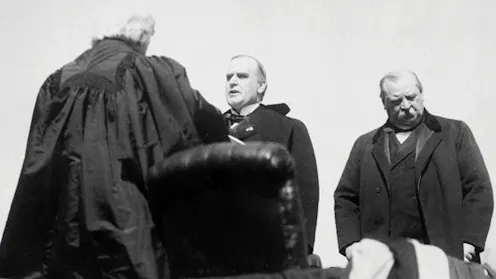
Two 19th-century elections are a reminder that a sizable midterm shift, like the one expected in November, can signal long-lasting changes in American politics that set the country in a new direction.
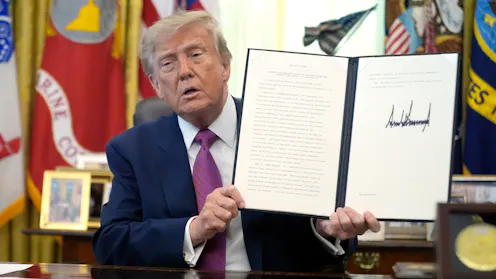
No other U.S. president has come close to wiping away the amount in fines and restitution owed to victims that Trump has.
There are no guarantees that pollsters’ troubles in recent elections and popular skepticism about their dependability will be alleviated anytime soon.
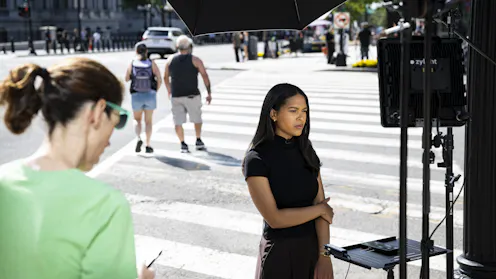
When President Trump barred three news organizations from the White House, a lawsuit followed. In it, the news outlets invoked their Fifth and First amendments rights.
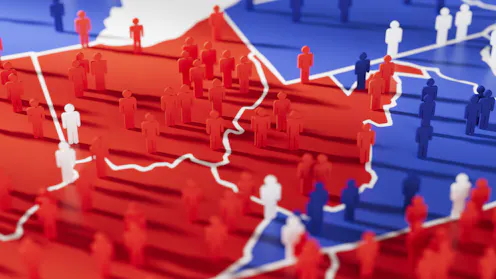
For American conservatives of the Cold War era, red was the color of communists and the mistrusted American left. Now, it’s the color of the GOP, while Democrats are blue. How did this happen?
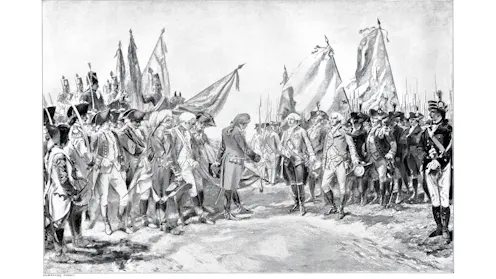
The United States came out of the Revolutionary War victorious. But building a new nation was very different from fighting a war.
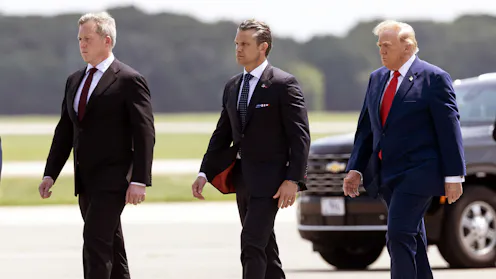
Half of the officers who have been fired or blocked from promotion are women or Black. A scholar who studies the US military explains why that’s dangerous.

Laws against surreptitiously recording someone extend to home devices like robot vacuums, but those recordings can still be used against you in court.
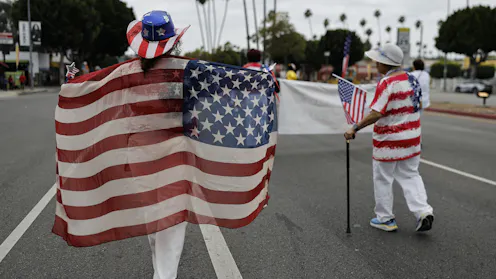
A public opinion researcher explains why this group’s declining faith goes beyond partisanship and reflects a fundamental question about its sense of belonging.
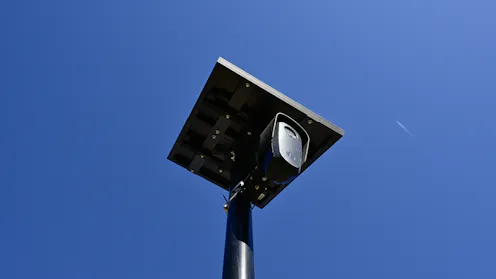
The bipartisan revolution against automated license plate readers suggests Americans have not entirely lost their rebellious spirit.
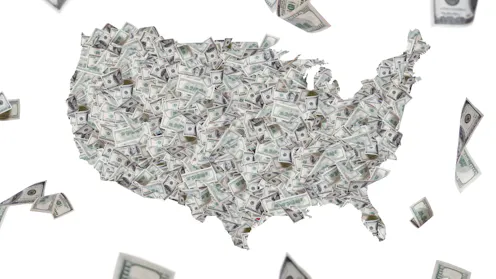
Campaign spending is confusing, but there are basic rules to help you understand information about money in elections. They can help you determine what is corruption and what is just regular politics.
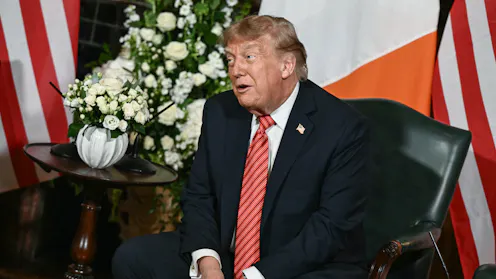
Trump waded intro controversial territory with his comments in Ireland.
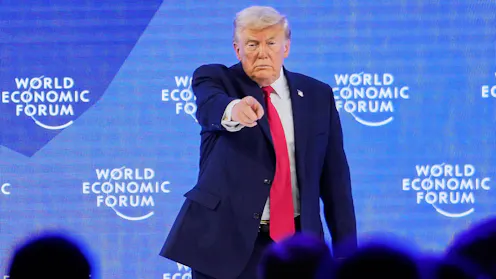
Trump has approached governing through the same framework as his former business portfolio, where he casts the US as a flagship holding whose value he was elected to increase.
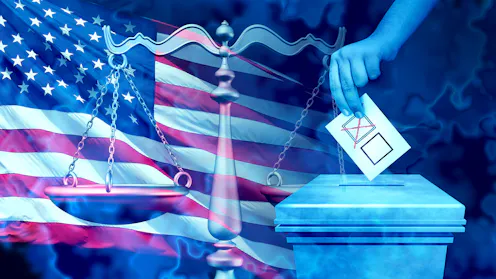
An election law scholar explains the president’s effort to dramatically limit mail voting ahead of the midterm elections – and why the court decided to block it.
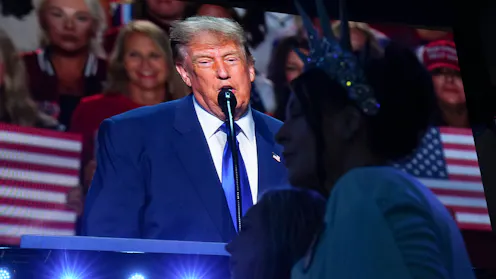
Bribery involves offering money to a particular person, but Trump did not make his $5,000 offer to any single voter or set of voters.
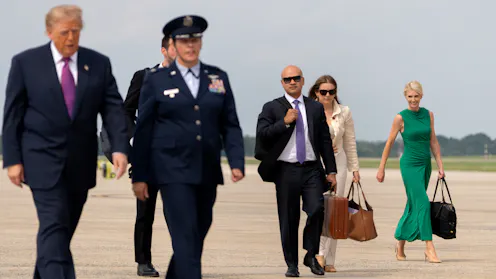
A report that one of Trump’s aides went a year without routine vetting raises a question a former CIA executive knows well: What is that process for?

A CIA veteran explains that a polygraph campaign is not likely to eliminate leaks, but it may divert investigative energy from essential security priorities.
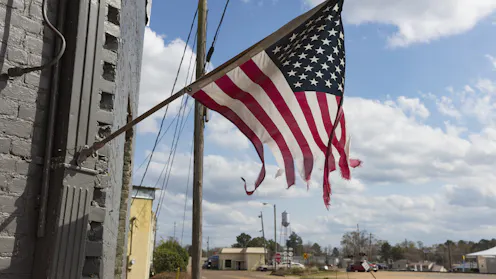
An educated citizenry is the key to making self-government succeed, Founding Father Thomas Jefferson said.
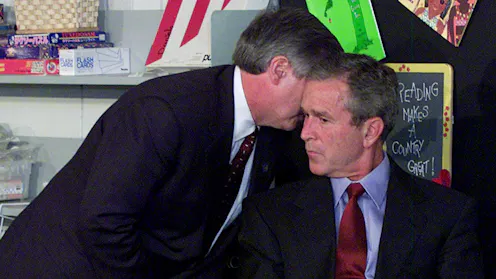
Having a vivid, detailed memory of a remarkable event like 9/11 can seem like a demonstration of patriotism and a connection with other Americans.

TikTok’s lawsuit fits a pattern – from cigarettes to opioids – of courts stepping in where lawmakers won’t.
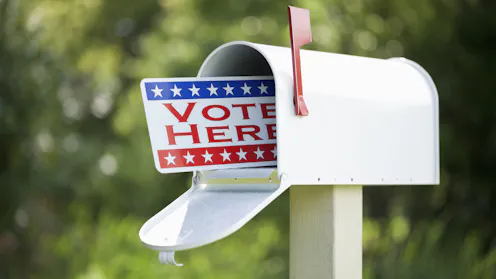
How will the Supreme Court justices approach the vote-by-mail case that concerns the most fundamental right in a democracy, the right to vote? A former federal judge weighs in on their task.
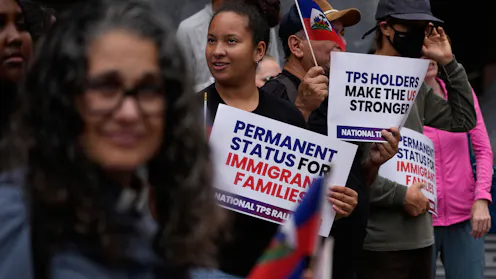
Congress never built a path from temporary status to permanent residence, leaving many people facing deportation with little recourse.
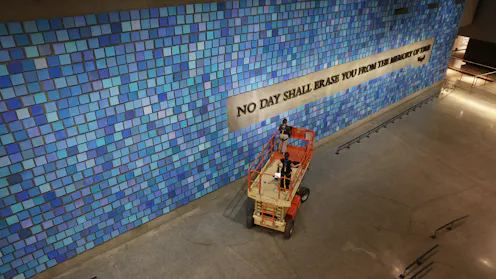
There is a strange nostalgia in realizing that something once so immediate now belongs increasingly to people who know it only as the past.
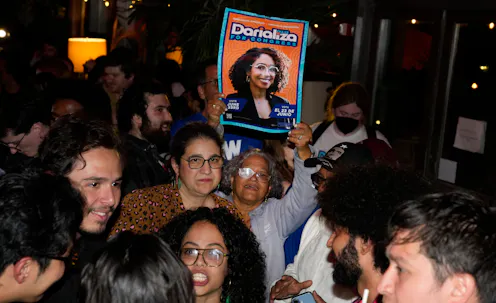
What role might DSA-affiliated candidates play if they win election to Congress in the midterms and the Democrats gain a majority in the House of Representatives?