
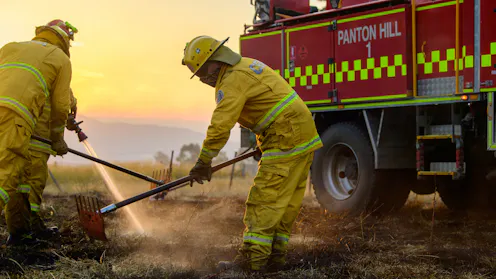
Over the past 12 months, the federal government has approved multiple fossil fuel projects and cut climate science funding.
Environment + Energy – Articles, Analysis, Comment
Displaying 126 - 150 of 8939 articles

The data centre boom will mean more energy and water use. The real question is how the energy is produced – and where the water comes from.
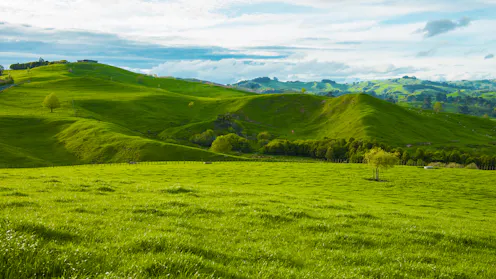
Research shows a phosphorus-rich compound found in wastewater raises uptake by plants and reduces discharge to waterways.
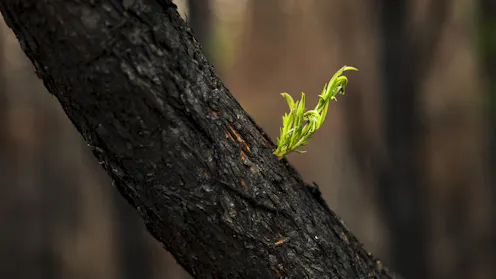
Global warming is set to surpass the 1.5°C limit if governments worldwide fail to act.

Are the federal government’s draft gas reservation laws really a backdown? No – the changes are sensible.

No Australian pets have contracted H5 bird flu, but overseas outbreaks suggest cats are particularly vulnerable.
For millennia, farmers relied on human urine for its vital plant nutrients. As synthetic fertilisers get more expensive, is it time to give pee a chance?
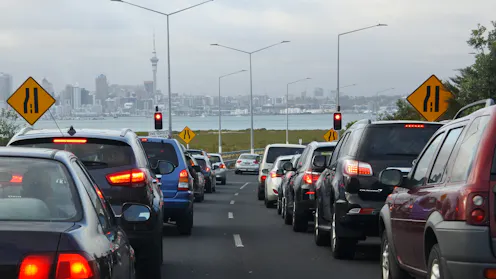
New research highlights the overlooked role of road dust in Auckland’s air pollution, with heavy vehicles having an outsized impact.
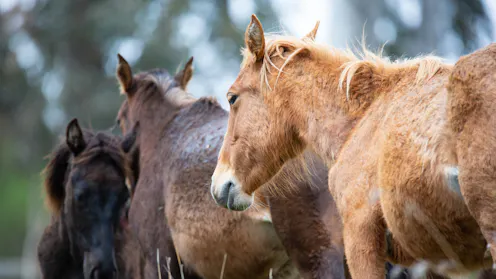
Feral horses can inflict major ecological damage, as two experts explain.
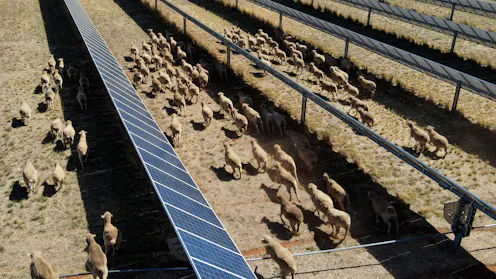
Self-reliance is important for many Australian farmers. But could farms ever become self-reliant in energy?

Overfishing and poor enforcement are just two reasons marine ecosystems are struggling to recover.
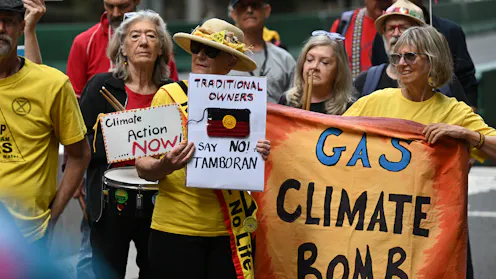
Gas is now flowing from the vast – and controversial – fossil fuel project.
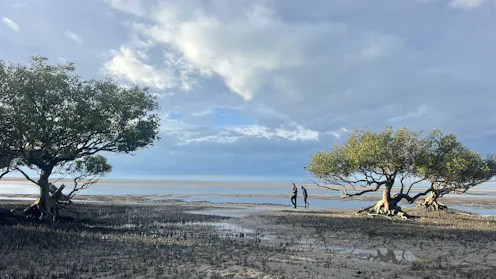
Since the first pilot program in 1998, Australia’s Indigenous Protected Areas have grown hugely. How can we strengthen them for the future?
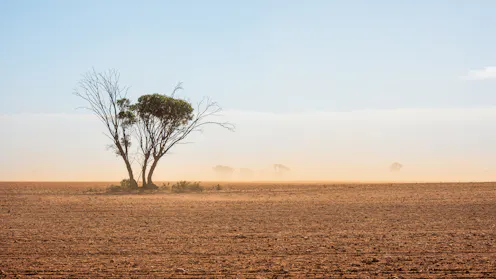
It threatens to compound the worst effects of climate change.

The case for large-scale technologies that reflect solar radiation back into space rests on global warming’s grim reality.
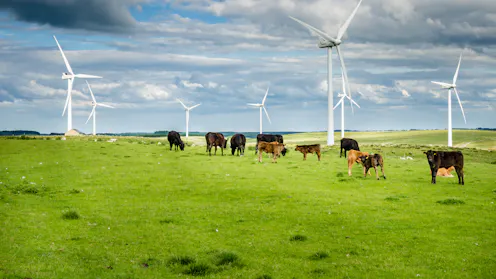
Regional communities often don’t oppose renewables, but want a say in where they go and who foots the bill.
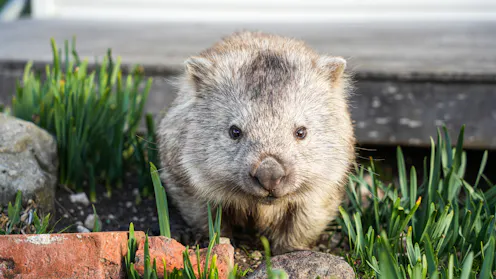
A new study reveals thousands of native animals are taking up residence in Australian homes.

Research suggests relationships are key to ensuring home energy upgrade programs work.
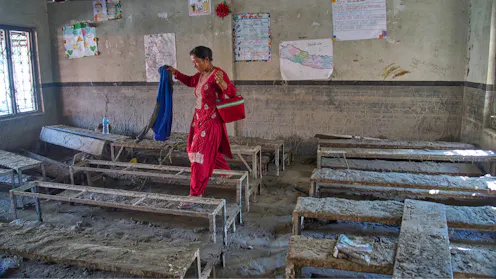
Villagers are picking up the pieces after a catastrophic flash flood ripped through the region.
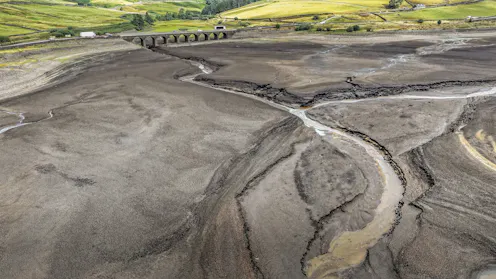
It’s no longer possible to hold climate change to 1.5°C. But it’s not game over – it’s game on.
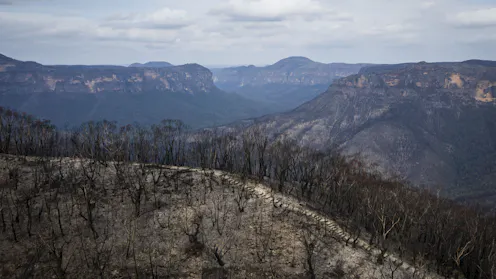
Heavy rains after the Black Summer megafires drove rapid regrowth of plants. But these signs of recovery can hide the true story.
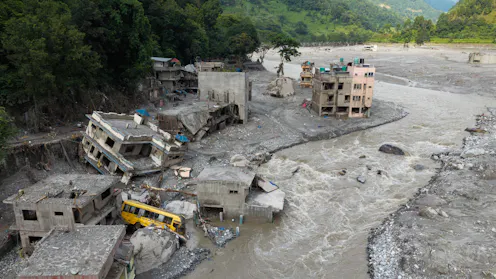
Rock-ice avalanches like the one which caused catastrophe in Nepal and Tibet (China) are not new. But warmer conditions make them more likely.
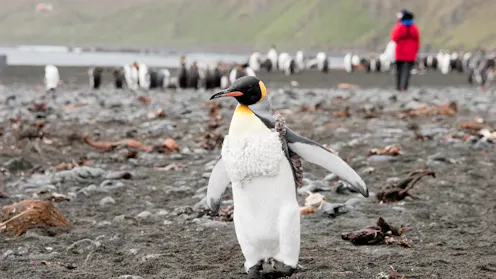
The federal government’s actions could leave the island’s wildlife more vulnerable to H5N1.
Making sure big companies do their bit to reduce emissions is essential for Australia to meet its climate targets.
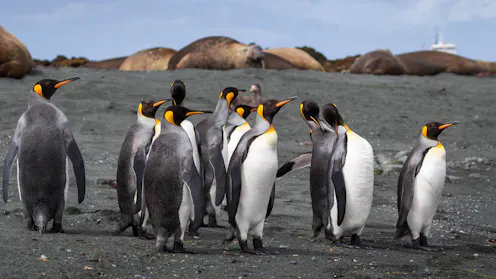
Understanding the true magnitude of the current H5N1 outbreak is key to curbing its spread.