
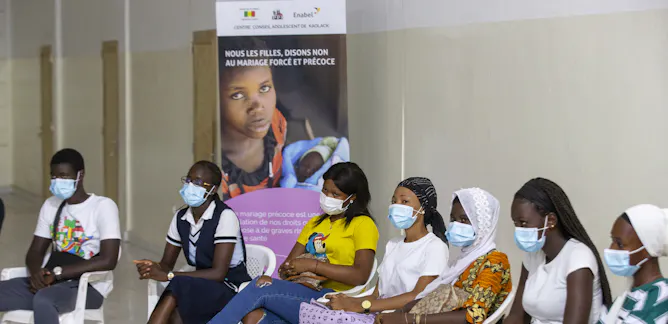
Au Sénégal derrière chaque acte tragique d'infanticide se cachent des histoires de désespoir, de stigmatisation et d'injustice reproductive.
African Population and Health Research Center

The African Population and Health Research Center is the continent’s premier research institution and think-tank, generating evidence to drive policy action to improve the health and wellbeing of African people. As a progressive African-led global research center invested in creating legacy impact, our work is oriented towards global and continental development priorities, bringing independent evidence to the forefront of decisions supporting improved growth and development in the region.
Links
Articles

Understanding how cancer is discussed across diverse languages and cultural contexts is crucial, especially on a continent that has more than 2,000 languages.
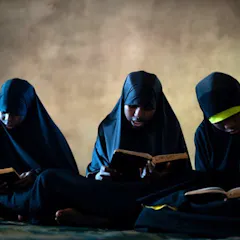
Une fille sur quatre, âgée de 15 à 19 ans, ayant eu une relation, a été victime de violence. Parmi ces victimes, 40 % se trouvent en Afrique.
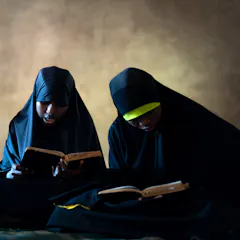
One in four girls between the ages of 15 and 19 globally who have been in a relationship have suffered abuse. Forty percent of these are in Africa.
Emotional, violent and sexual abuse are rife at an age when victims are scarred for life.
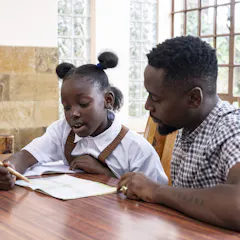
Studies show that teaching parents how to support their children can lead to improvements in literacy.
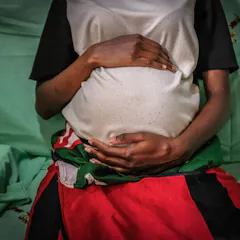
Adolescent girls are more at risk during childbirth. Stigma and abuse by healthcare workers makes them less likely to seek medical care, putting their lives further in danger.
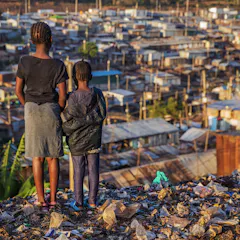
The impact of housing quality extends beyond health to education and subsequent economic outcomes, particularly for children.

School meals should strive to provide nutritious diets by serving diverse, safe, palatable, and locally available foods.
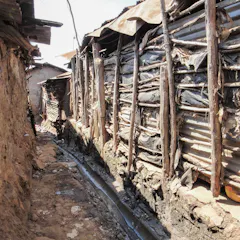
Hypertension is a manageable condition – but left untreated, it can damage organs such as the kidneys, heart and brain.
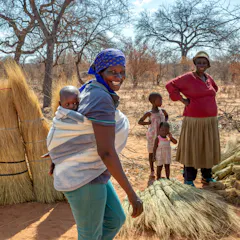
The success of the Maputo Protocol in protecting the rights of women and eliminating discrimination is remarkable.

Kenya’s experienced fast population growth and urbanisation - this has brought about some big challenges.
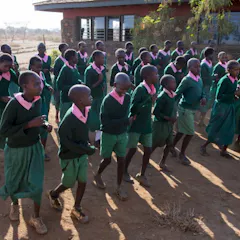
Kenya’s budgetary allocation misses opportunities to improve basic education and address unemployment.
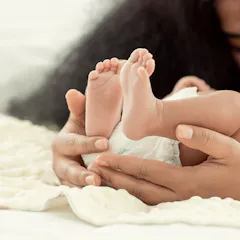
In addition to motherhood these girls experience social inequality, chronic stress, violence, and food insecurity. When teenagers become mothers, their adversities are compounded.

Biological and chemical substances are the most common food contaminants and account for over 200 food-borne illnesses.
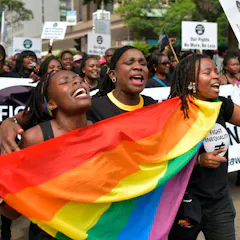
The criminalisation of same-sex sexual relations among consenting adults in Kenya worsens social disparities and inequalities.
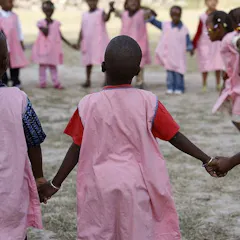
Des pratiques culturelles profondément ancrées - telles que les mutilations génitales féminines et le mariage des enfants - empêchent les filles de progresser à l'école.
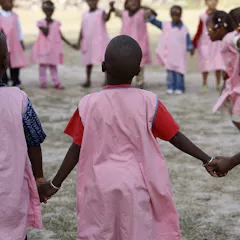
Deep-seated cultural practices – such as female genital mutilation and child marriage – prevent girls from making progress in school.
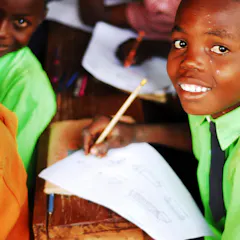
Ignoring local realities risks excluding children from learning.
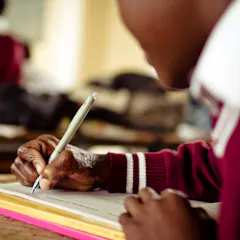
Education is important for girls’ future earning power and the promotion of their lifelong health and socioeconomic well-being.
Authors
-

Associate Research Scientist, African Population and Health Research Center
-
Research Scientist, African Population and Health Research Center
-
Research Scientist, African Population and Health Research Center
-
Researcher, African Population and Health Research Center
-
Head of Urbanisation and Wellbeing, African Population and Health Research Center, African Population and Health Research Center
-
Senior Research Scientist, African Population and Health Research Center
-
Executive Director, African Population and Health Research Center
-
Associate Research Scientist, African Population and Health Research Center
-
Associate Research Scientist, African Population and Health Research Center
-
Associate Research Scientist, African Population and Health Research Center
-
Researcher and PhD student, African Population and Health Research Center
-
Senior Research Scientist, African Population and Health Research Center
-
Associate Research Scientist, African Population and Health Research Center
-
Research Scientist, African Population and Health Research Center
-
social scientist, African Population and Health Research Center