

A century after liver was found to treat pernicious anaemia, scientists are still uncovering how vitamin B12 helps blood, nerves and cells.
Quadram Institute

The Quadram Institute is at the forefront of a new era of food and health research, working at the interface between food science, gut biology and health. It will develop solutions to worldwide challenges in food-related disease and human health, with a lifelong focus from establishing optimum health at birth through to ensuring we age healthily. The Quadram Institute is assembling interdisciplinary teams and working with appropriate international organisations to address these major issues. Scientists and clinicians working together under one roof will deliver innovative new healthcare solutions.
Genome scientists, microbiologists, immunologists, gut biologists, mathematicians, clinicians, food scientists and nutritionists will link with each other across the fundamental and translational research pipeline: from lab to bedside, food to plate, and diet to health to deliver scientifically-validated and clinically-tested strategies to improve human health and wellbeing throughout life. The Quadram Institute will build on recent understanding of how food and the gut microbes interact, which is creating a fundamental shift in the way we understand and address the impact of food on health.
Links
Articles
Scientists found an unexpected viral hitchhiker lurking inside a common gut bacterium – and it was twice as prevalent in people with colorectal cancer.

Pessoas anteriormente inativas que começaram a levantar pesos apresentaram mudanças significativas nas bactérias intestinais em oito semanas.

Previously inactive people who started lifting weights showed significant changes in their gut bacteria within eight weeks.
There was a 17% increase in cases observed from 2023 to 2024 in the UK.

It’s a beneficial nutrient - but taking it in supplement form can come with long-term health risks.
The future of cancer detection might be in your toilet.
Your fridge might feel cold, but is it cold enough to stop bacteria? Over 50% of fridges run too warm, and most of us never check.
Une nouvelle étude d’envergure révèle que les AUT sont impliqués dans de nombreux problèmes de santé, mais ignorons toujours quels aliments sont les principaux coupables.

This bacterium has been linked to conditions such as IBS and colon cancer.
A large new review finds UHPs implicated in many health conditions, but we still don’t know which foods are the key culprits.
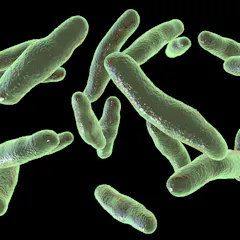
This bacterium is found in the guts of most people – but has also been implicated in diseases such as IBS and colorectal cancer.

A lack of properly funded research into ME or chronic fatigue syndrome has allowed unproven treatment claims to thrive.

Melhore a saúde do seu microbioma intestinal e você melhorará muitos aspectos de sua saúde geral. Veja como fazer isso.
Improve your gut microbiome health and you improve so many aspects of your overall health. Here’s how to do it.

The current treatments for inflammatory bowel disease do not work for everyone. Tapping into new areas of biology may be the key to developing new therapies.

We should not rule out a direct link between exercise and longevity, but it may have a smaller role than previously thought.
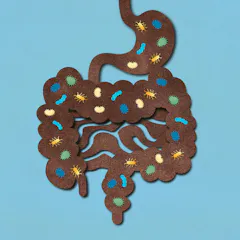
Social media reports of people trying faecal transplants at home and curing their long-term illness are increasing. But the potential harms are considerable and rarely discussed.
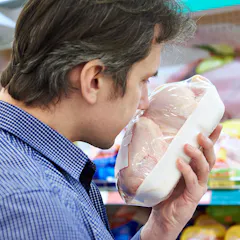
Some people like to use their sense of smell to tell if food has gone off. A food safety expert explains why that’s not a good idea.
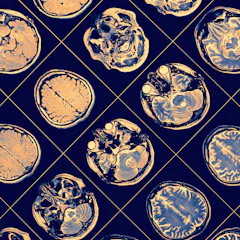
A machine learning algorithm was able to accurately predict those with preclinical Alzheimer’s disease based on their gut microbe composition.
Authors
-

PhD Candidate, Gut Microbiome, Quadram Institute
-
Researcher in Bioinformatician, Quadram Institute
-
PhD Candidate, Translational Microbiome, Quadram Institute
-
PhD student - Food, Microbiomes and Health, Quadram Institute
-
Research Scientist in Metagenomics, Quadram Institute
-
Immunology Research Scientist, ME/CFS Research, Quadram Institute
-
Visiting Postdoctoral Scientist, Food Microbiome Interactions, Quadram Institute
-
Chief Scientific Officer and Group Leader, Synthetic Biology and Biosynthetic Pathways, Quadram Institute
-
Deputy Chief Scientific Officer and Group Leader, Glycobiology of Host-Microbe Interactions in the Gut, Quadram Institute
-
PhD candidate, invasive pathogens, Quadram Institute
-
Emeritus Fellow, Bioscience, Quadram Institute
-
Professor, Microbiology, Quadram Institute
-
PhD Candidate, Gut Microbes in Health and Disease, Quadram Institute
-
Research Scientist, Bioscience, Quadram Institute
-
PhD Candidate in Plants, Food and Health, Quadram Institute