
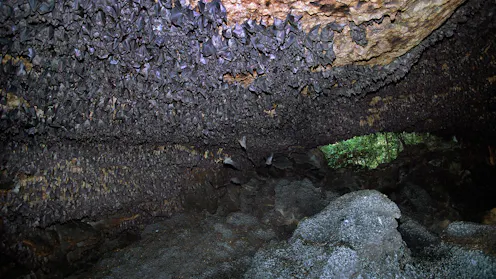
A 25-year-old local scientist captured rare footage showing how one of the world’s deadliest viruses could jump from bats to humans.
- Research Fellow at the Centre for Planetary Health and Resilient Conservation Group, Griffith University
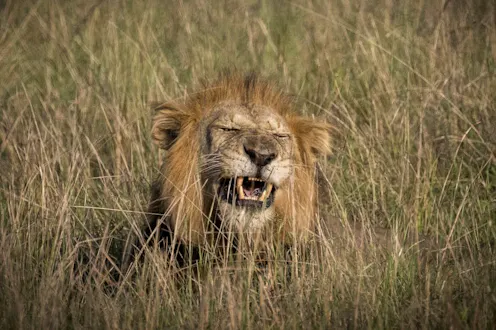
A census of carnivores in Uganda painted a grim picture in some areas, but marked hope for others.
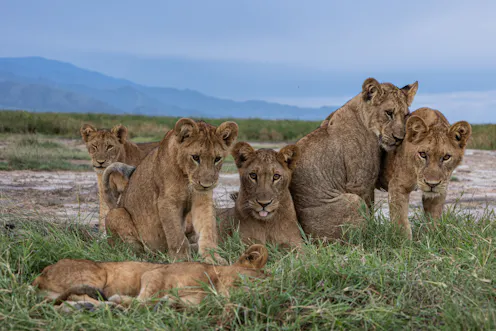
A monitoring approach led by wildlife rangers could make for better counting of lions in many parts of their African range.
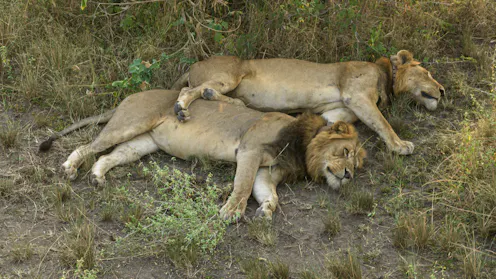
Male lions are making the risky swims, braving crocodiles and hippos, so as to find females.
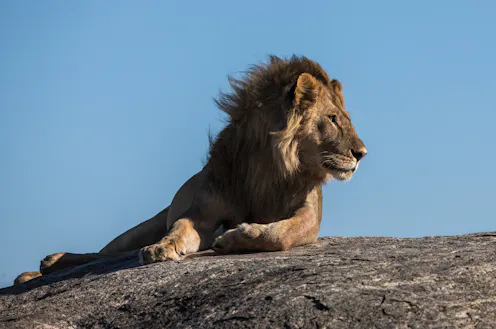
Principal causa de mortalidade de leões é causada pelos machos adultos que os matam em infanticídios
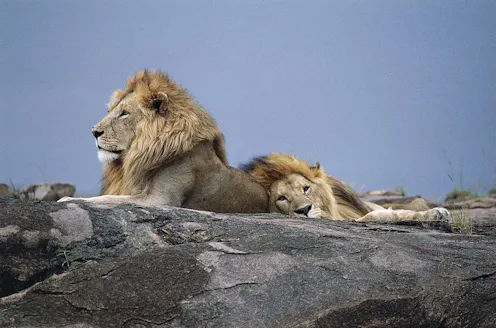
From the moment a male lion is born it faces a gauntlet of challenges, ranging from snakebite to infanticide.
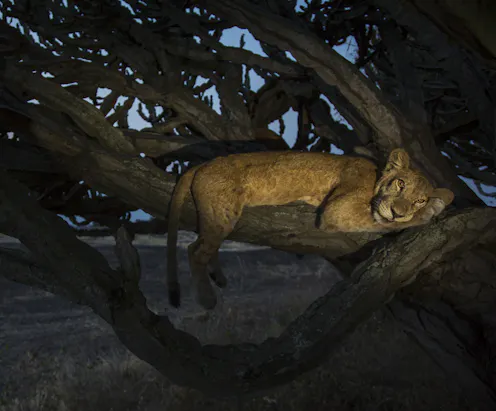
Developing countries suffer the most in the conflict between large carnivores and humans. We need better financial incentives for these communities to make sure these iconic predators are protected.
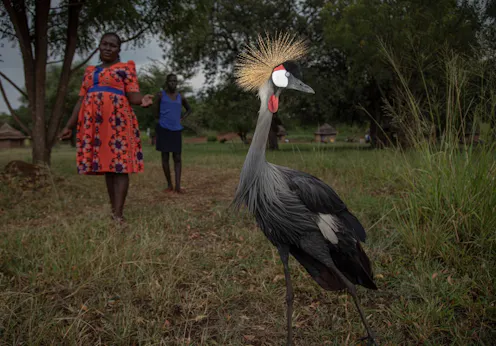
The reduction of foreign tourism is an opportunity for Africans to experience many of the continent’s premier parks at a discount.
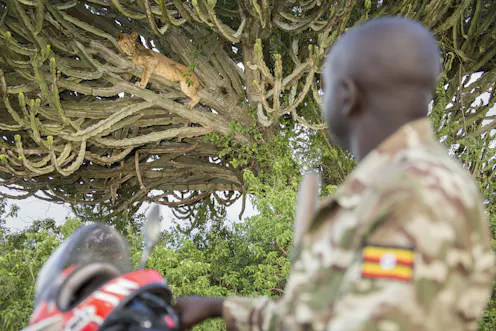
Africa’s public and private protected areas took a massive blow from the collapse in tourism because of the pandemic. Tourism is a key source of funding for managing protected areas.
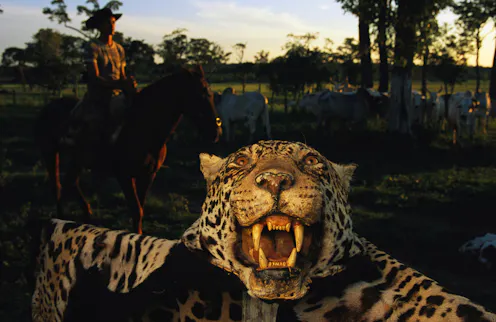
Compensation for losses from wildlife is an increasingly popular conservation intervention. However, a recent review cautions its use.
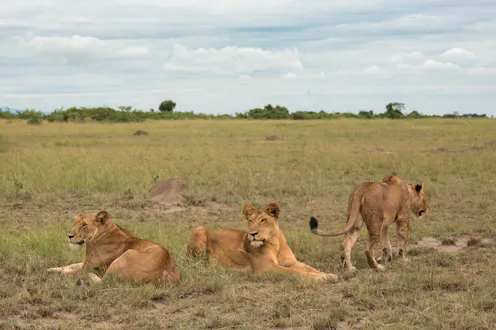
A new study evaluates what South African landowners who run trophy hunting operations would do in the event of a hunting ban.
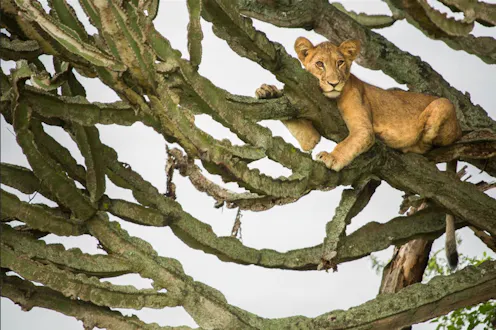
New science shows that estimates of the African lion numbers are underpinned by weak methods. But several new studies from Kenya and Uganda show that lions can be counted robustly.
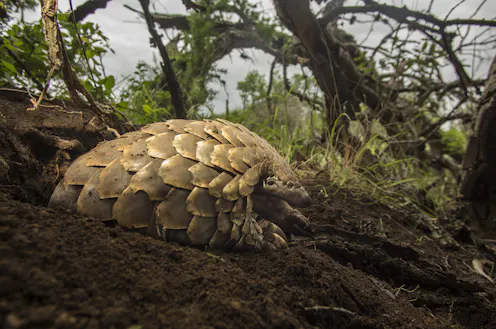
Los pangolines son comercializados ilegalmente, están vinculados a la pandemia del coronavirus y se encuentran en vías de extinción en algunas zonas. Por eso es vital reintroducir esta especie amenazada en la naturaleza.
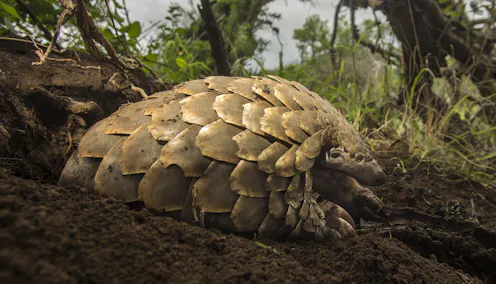
Pangolins are illegally traded, linked to the coronavirus pandemic and driven to extinction in some areas. That’s why it’s vital to reintroduce this threatened species back into the wild.
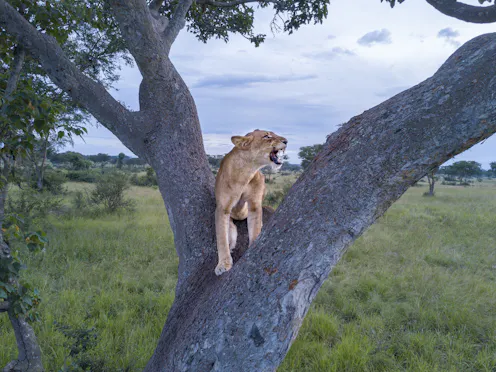
Lions don’t generally have armies of hyenas, but not every aspect of The Lion King is inaccurate.
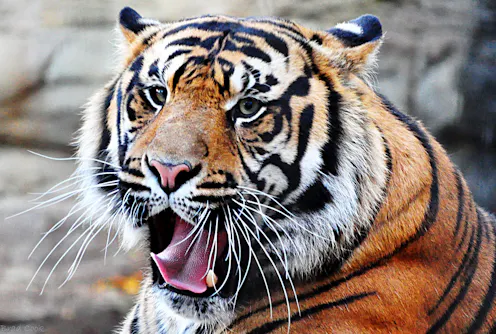
Whiskers are not just ordinary hairs. They are thicker and go deeper into the tiger’s skin and send messages to its brain about what is happening in the world around it.

The destruction of a massive haul of illegal ivory was supposed to send a message to poachers and those who trade in the tusks. Did they notice, or can the ivory be used to help elephant conservation?
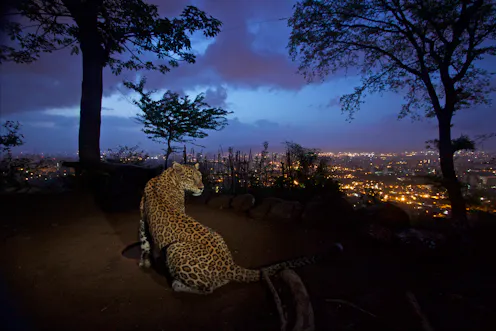
Wild leopards that live in an Indian city park like to dine on stray dogs, which new research says may help reduce the number of potentially deadly dog bites on people.
Contact Alexander for
- General
- Media request
- Speaking request
- Consulting / Advising
- Research collaboration
- Research supervision
- Location: Brisbane, Australia
- Website
- X (formerly Twitter): @alexbraczkowski
- Article Feed
- ORCID
- Joined
