

Mandatory tax return disclosures for large companies were designed to increase public awareness of tax avoidance - but a new study reveals they may not work.
- Lecturer, Accounting Discipline Group, University of Technology Sydney

Businesses who pay dividends to shareholders with tax credits attached pay more tax, new research finds.

The ideas are already out there to tackle some of the tax avoidance highlighted by the Paradise Papers.

Amazon has a reputation for avoiding tax overseas, and early indicators are that this trend will continue in Australia

New modelling shows governments need to ensure that corporations benefiting from the use of Australia’s resources, are contributing the same as they do in other jurisdictions.

The company tax cut may signal to the world that Australia wants to be competitive on corporate tax, but it won’t make much of a difference to our largest businesses and multinationals.
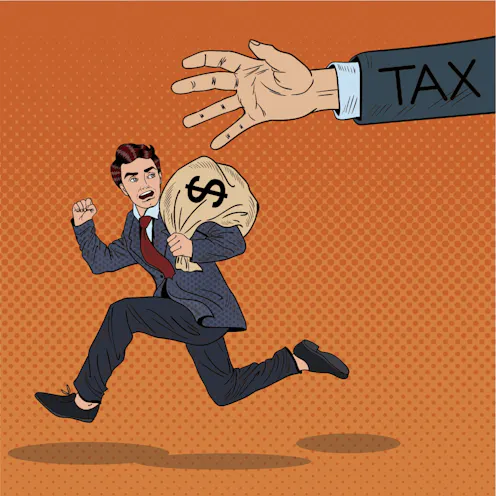
As long as the ATO doesn’t question why companies are reporting zero tax payable on their income, the public won’t know if serious tax avoidance is happening.

The government should follow through on setting up a register of beneficial ownership of companies if it wants to get serious about tax evasion.

Dick Smith used increasingly desperate strategies - but who knew and for how long?

Managers of well-known Australian companies are misleading investors by taking years to recognise asset impairments and not disclosing that information in financial reporting.
The drop of tax data showing hundreds of major companies did not pay tax needs parsing; but there must be crackdown on aggressive tax planning.
A court decision slugging Chevron Australia with a tax bill also reveals the use of an accounting measure that obscures tax paid in Australia.
Contact Brett for
- General
- Media request
- Speaking request
- Consulting / Advising
- Research collaboration
- Research supervision
- Article Feed
- Joined
