
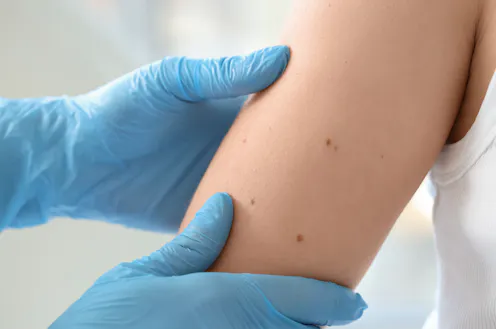
Blanket screening Australians for skin cancer might lead to more diagnoses but not necessarily save more lives or be cost-effective.
- Professor of Dermatology, The University of Queensland
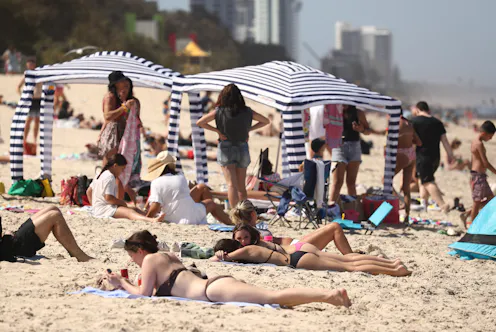
Move over beach umbrellas, it’s the summer of the beach cabana. But these popular sun shelters may not protect you as much as you think.
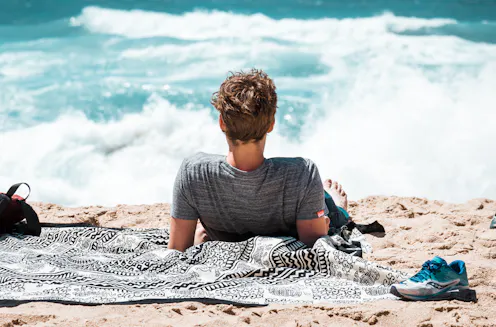
Spending too long in the sun can damage your DNA. But what about if you retreat back to the shade? How long does it take to get back to normal?
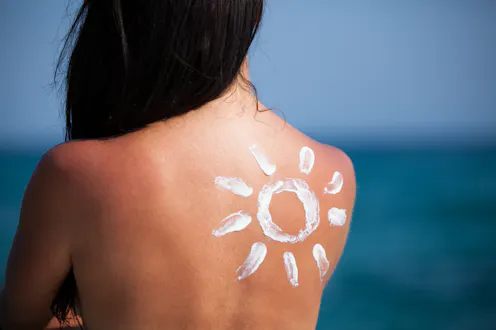
The most common types of skin cancer are basal cell and squamous cell carcinomas. Here’s what to expect if you have one.
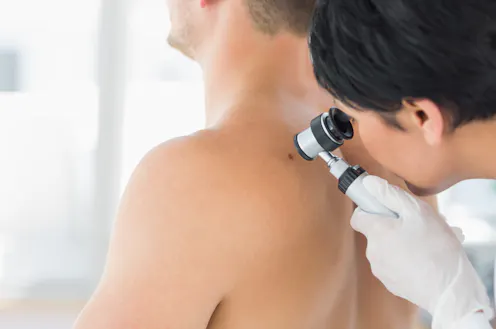
Two in three Australians will have a skin cancer in their lifetime, nearly all of them basal cell carcinomas, squamous cell carcinomas, or melanomas.
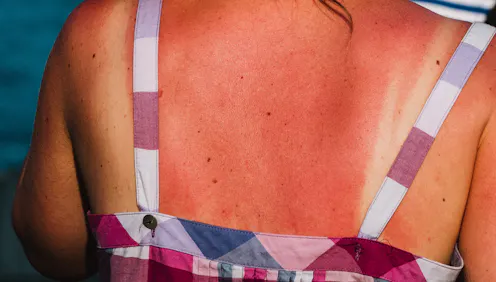
Home remedies like aloe vera and moisturiser might help you “feel” better. But they won’t fix the skin damage in the way antibiotics fix an infection.
You need far less sun than you think you do.
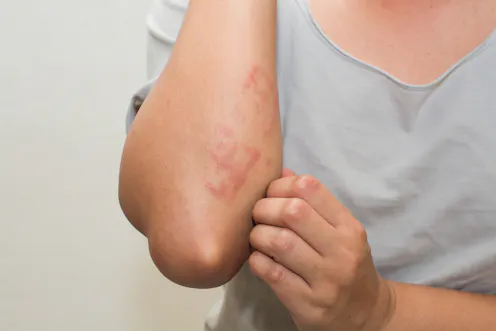
Here’s a list of the most common rashes and what you need to look for.
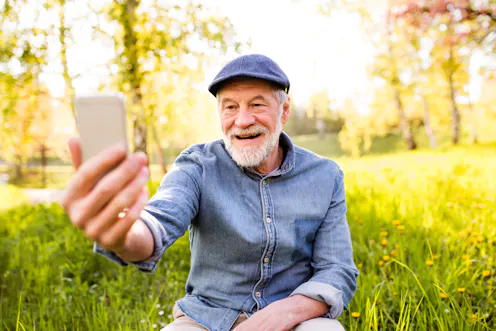
Australians over the age of 40 can now calculate their risk of developing melanoma with a new online test.

Most of the skin lumps we develop will be benign. Here are some of the most common, and how to tell them apart.
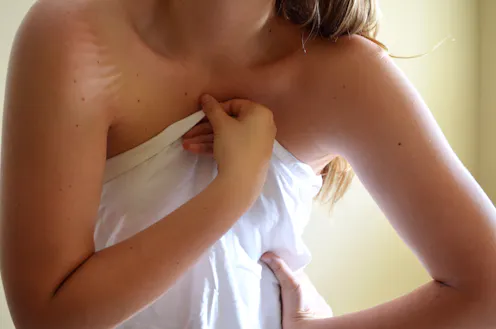
A recent study claims most people with melanoma don’t have many moles or any atypical moles. But exploring the study in depth shows these conclusions don’t have a strong foundation.
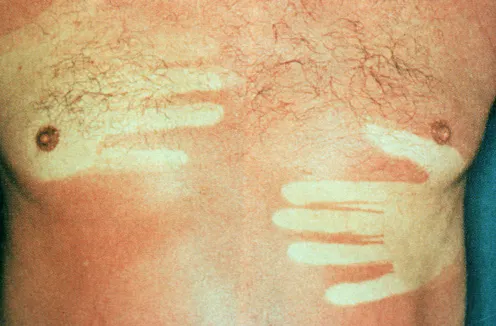
Last summer, 2.4 million Australian adults were getting sunburnt each weekend. But what’s actually happening in the skin during a sunburn?
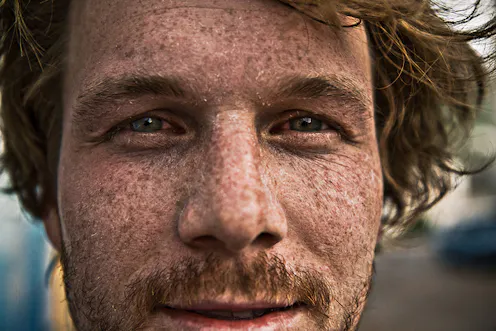
The earlier you find a cancerous mole, the easier the treatment and the better the outcomes. But it’s not easy distinguishing between harmless, benign moles and those that warrant further attention. In…
Contact H. for
- General
- Media request
- Speaking request
- Consulting / Advising
- Research collaboration
- Research supervision
- Location: Brisbane, Australia
- Website
- X (formerly Twitter): @hpsoyer
- Article Feed
- ORCID
- Joined
