
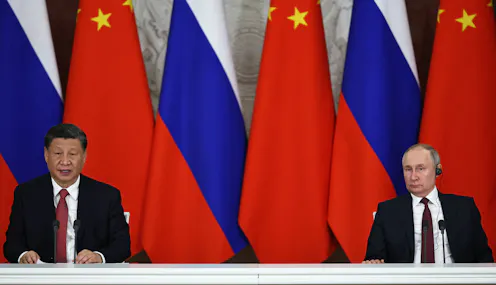
Russia’s media often paint the west as hypocritical or imperialistic and Moscow as a defender of sovereignty. Chinese media emphasise Beijing’s role as a partner in Africa’s development.
- Professor and Chair, Department of Journalism, Stellenbosch University
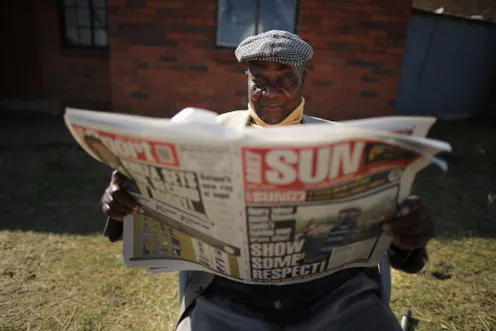
The newspaper confounded critics with its contextually relevant and informative stories.
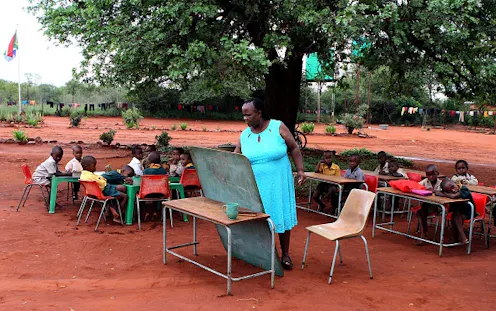
South Africa has no comprehensive national media literacy programme. Often it comes down to individual teachers and schools to make learners more media literate.
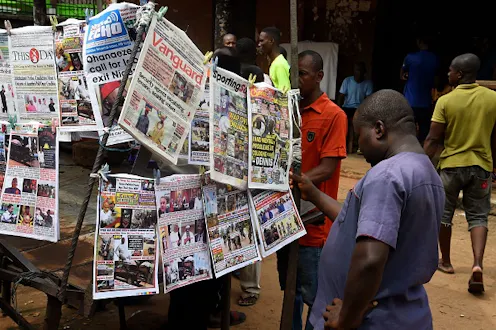
By linking different issues together, organisations show the importance of approaching information disorder as a complex problem requiring various responses.
The majority of front page reports were negative in tone, seeing very little possibility for individual agency and self-efficacy. This can amplify public anxiety and fear.
The strong disapproval of the South African government’s handling of the pandemic is a warning that crafting persuasive pro-vaccine messages is not enough.
Users do spend some time thinking about whether information is true; the decision to share it (even if it’s fake news) depends on the topic and the type of message.
Researchers found that both Kenyans and South Africans have a broadly negative view of China, possibly amplified by the pandemic.
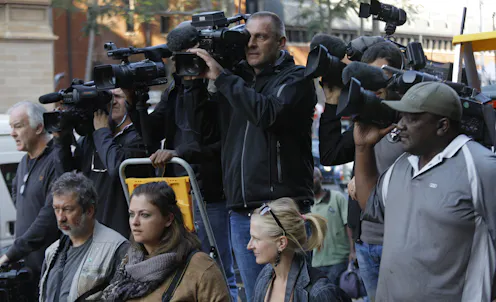
To rebuild lost trust in the media will require more commitment and effort than just papering over ethical cracks.
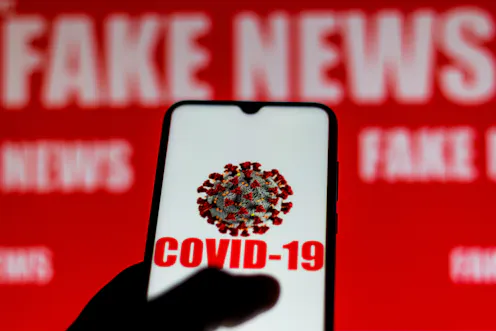
In Africa, people who report higher levels of exposure to disinformation also report lower levels of media trust.
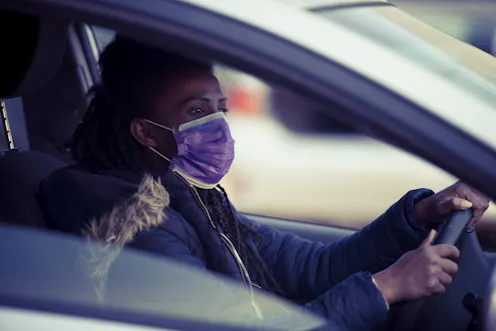
Jokes and satire can build resilience but also spread misinformation as people don’t always know what is trustworthy and what is just funny.
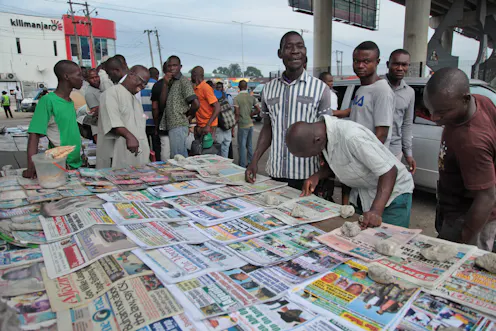
Western aid has resulted in an Anglo-American culture of journalism education which has proved impractical to implement in African countries with illiberal political regimes.
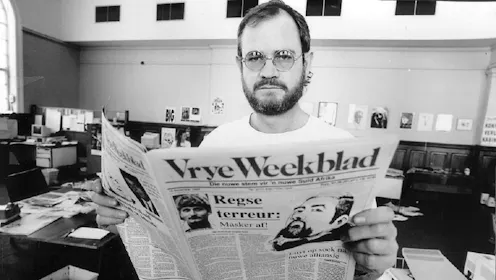
A progressive Afrikaans newspaper will be relaunched soon. But Vrye Weekblad can’t trade on its history alone. It will need to consider the challenges of the present and the future.
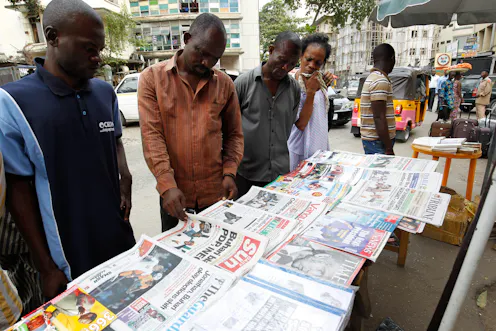
Disinformation in Africa often takes the form of extreme speech inciting violence and spreading racist, misogynous, xenophobic messages.
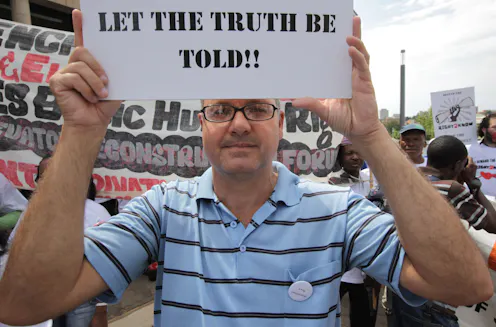
South Africans have a right to know why the lapses at Sunday Times occurred and why those that spoke up against them were silenced.
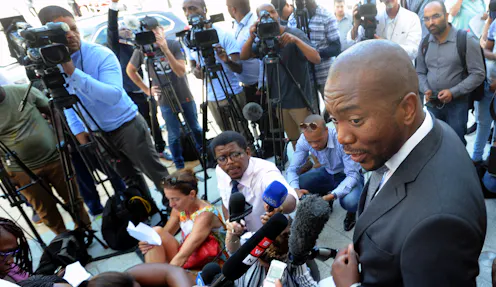
The sustainability of the news media is a precondition for good journalism in the public interest. Thus, economic questions should form part of discussions of press freedom.
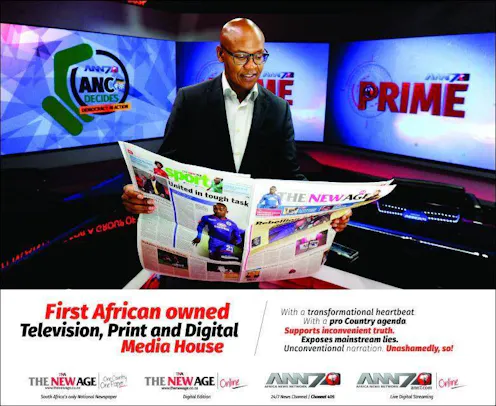
Multichoice’s dominant power over South Africa’s public sphere suggests that dropping ANN7 may send a bad signal for media freedom and democratic debate.
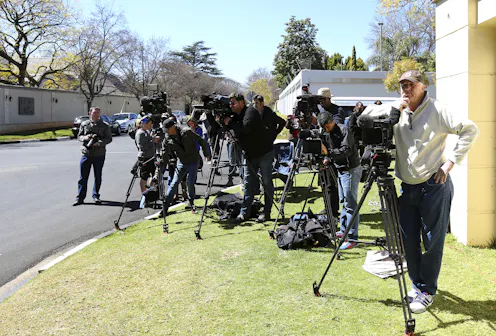
Forty years after the apartheid regime clamped down on the free press, South Africa’s media continues to face threats, albeit in more subtle forms than in the past.
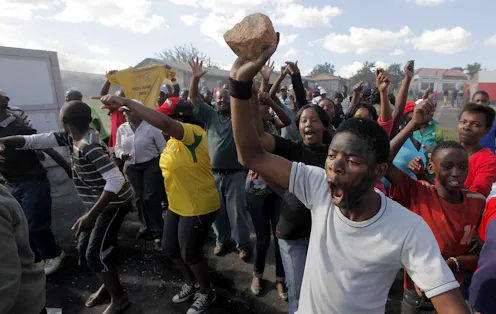
The advent of democracy in South Africa in 1994 is often hailed as peaceful and smooth. But, there are lingering problems. Dissent over unmet expectations has resulted in an increase in protests.
Contact Herman for
- General
- Media request
- Speaking request
- Consulting / Advising
- Research collaboration
- Research supervision
- Location: Cape Town, South Africa
- Website
- X (formerly Twitter): @hwasser
- Article Feed
- ORCID
- Joined
