
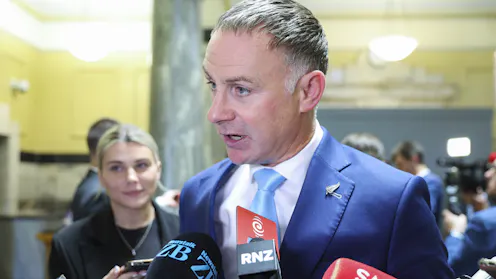
New Zealand justifies its weakened climate policies as necessary to boost the economy, but it may come at a cost to international trade.
- Associate Professor of Law, University of Waikato
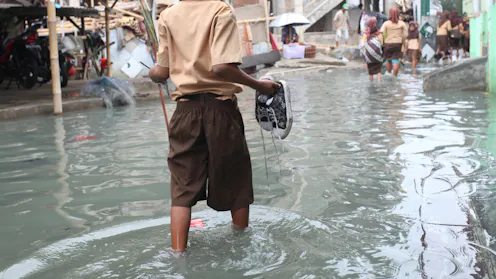
Advisory opinions are not legally binding, but from the world’s highest court they present an authoritative and persuasive position on states’ climate obligations.
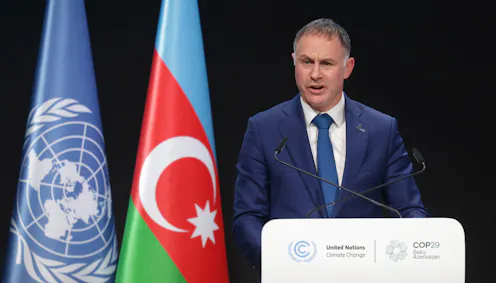
Does the government’s recent pledge to step up emissions cuts by as little as 1% really represent New Zealand’s ‘highest possible ambition’ to combat climate change?

Subsidising fossil fuel exploration seems contrary to New Zealand’s international commitment to phase out incentives for the industry. It also erodes human rights to a healthy environment.

Artificial intelligence is energy hungry and has an ever-expanding carbon footprint. Embracing the technology will make it harder for New Zealand to meet its climate targets.

The crime of genocide was adopted in 1948 following the second world war. Given the existential threats from ecological crises, it is timely to call for the recognition of ecological crime.
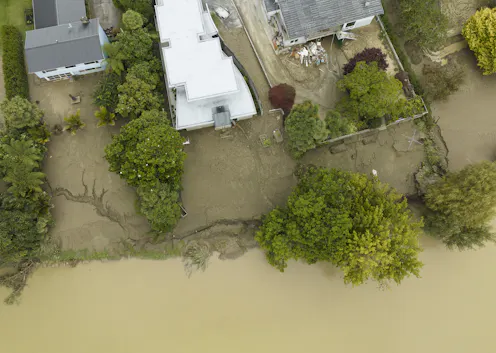
The government’s priorities are shifting towards adaptation to protect communities, jobs and industries. But the longer we wait to cut emissions, the more the costs of climate change will compound.

Global biodiversity summits have so far lacked a clear target, but this could change if COP15 agrees on the 30x30 initiative to protect 30% of land and sea by the end of this decade.
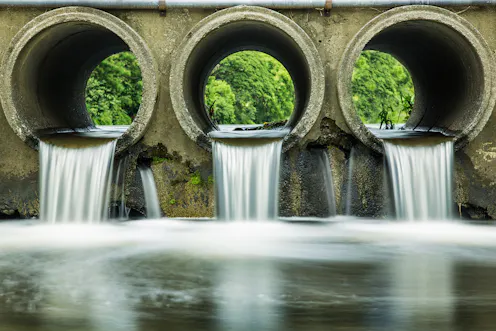
Twenty years ago this month the UN affirmed that water is a human right – can this help resolve the political stand-off over New Zealand’s Three Waters reforms?

Bitcoin’s annual electricity consumption is more than three times New Zealand’s – those hidden environmental costs must be part of any future regulation.

Despite the ongoing pandemic, the agenda for 2022 includes key developments to tackle the connected crises of climate change, biodiversity loss and pollution.
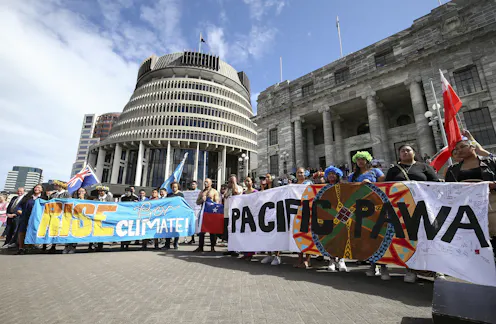
In several countries, court rulings have forced governments to make stronger cuts to emissions. But New Zealand courts have so far stayed clear of imposing legal steps, calling for regulation instead.
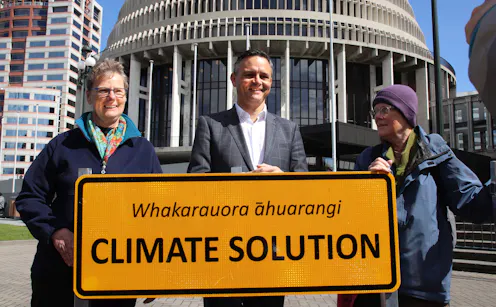
New Zealand’s international pledges, domestic laws and carbon budgets run on different timelines. They could be better aligned to make sure everyone understands how Aotearoa plans to cut emissions.
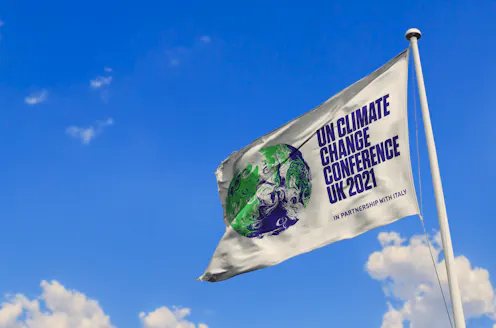
Uncertainty about carbon market rules will be problematic for New Zealand, given its reliance on overseas carbon trading to meet its new climate pledge.
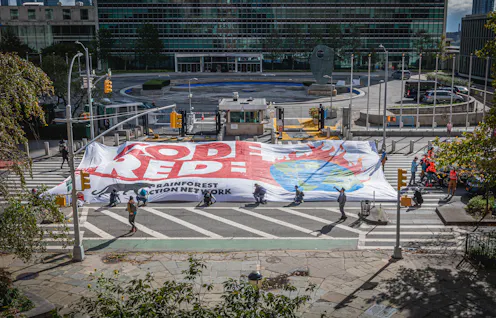
Pacific nations look to New Zealand for climate leadership. It has enshrined carbon neutrality by 2050 and a 1.5°C target in law, but, so far, emissions have continued to rise.

In countries where the right to a healthy environment is part of domestic law, court decisions are already resulting in stronger climate action.
Contact Nathan for
- General
- Media request
- Speaking request
- Consulting / Advising
- Research collaboration
- Research supervision
- Article Feed
- ORCID
- Joined
