

Hundreds of wildlife rehabilitation centers across the US and Canada treat sick and injured animals and birds. Digitizing their records is yielding valuable data on human-wildlife encounters.
- Professor of Biology, Boston University
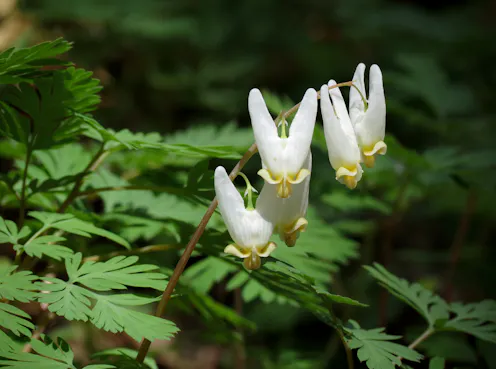
Many beloved wildflowers bloom in early spring, while trees are still bare and the flowers have access to sunlight. Climate change is throwing trees and wildflowers out of sync.
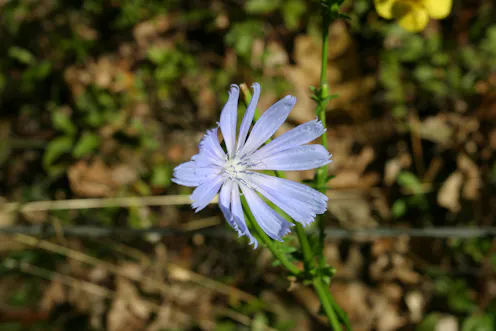
Journals, museum collections and other historical sources can provide valuable data for modern ecological studies. But just because a source is old doesn’t make it useful.
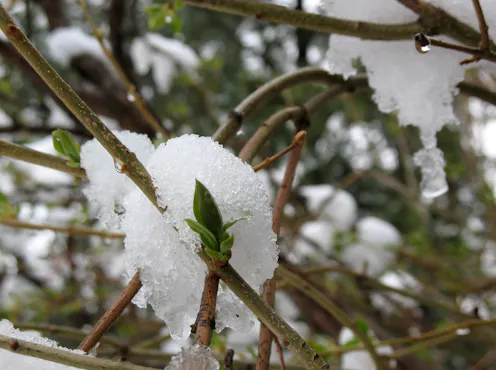
Trees and shrubs in cold-weather climates rely on certain signals, such as temperature and light, to know when to leaf out and bloom. Climate change is scrambling those signals.
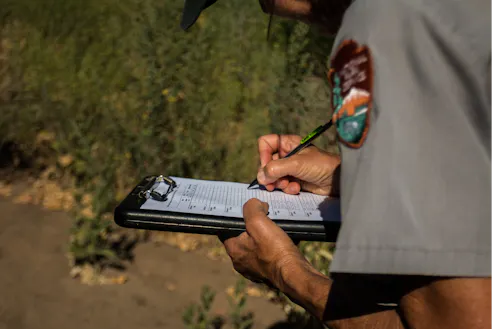
The COVID-19 pandemic is interrupting scientific field work across North America, leaving blank spots in important data sets and making it harder to track ecological change.
Contact Richard for
- General
- Media request
- Speaking request
- Consulting / Advising
- Research collaboration
- Research supervision
- Location: Boston, Massachusetts, U.S.
- Website
- Article Feed
- Joined
