

Four years on, the children of families given $26,000 seem to be healthier, better educated and better adjusted. Their parents feel better off as well.
- Director, Center for Community Child Health Royal Children's Hospital; Professor, Department of Paediatrics, University of Melbourne; Theme Director Population Health, Murdoch Children's Research Institute

Tooth decay in children is preventable. Here’s what to focus on.
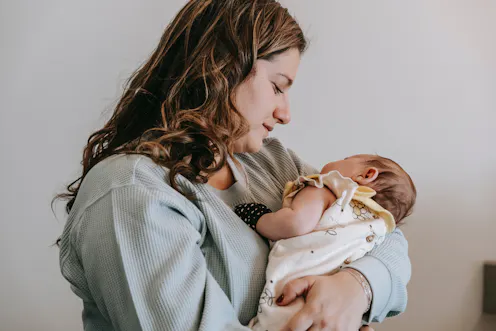
Extending visits from nurses who can listen without judgement and offer practical, evidence-informed advice helps new parents who are experiencing adversity.
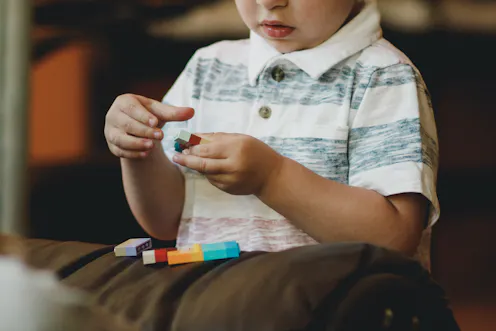
Children are removed from families and placed in care when we think they are being harmed or their needs neglected. But data shows the vast majority aren’t getting recommended health care.

There is some risk of COVID transmission in playgrounds, but the benefits of outdoor play, especially now, may outweigh the risks.

By the age of five, most children can name at least ten letters. In our study, 58.6% of children living with disadvantage could not name the expected number of alphabet letters.
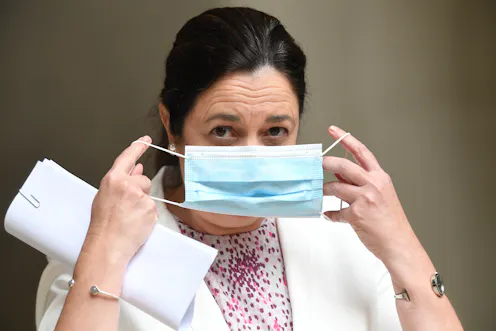
We need a layered strategy — depending on the amount of community transmission – to ensure the response isn’t the same every time with each snap lockdown: to close schools. Here’s how to do it.

A new report shows out of 1 million students enrolled in all Victorian schools, only 337 may have acquired the virus through outbreaks at school.
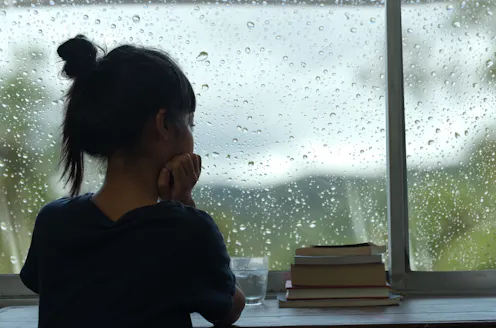
Some children are not socially engaging with their peers in the way they did before the pandemic. It’s understandable if parents are worried.

By year three, children identified as having difficulties when they start school, are around nine months behind their peers in learning.

Research has started to identify the key factors in creating communities that promote good early childhood development.
Contact Sharon for
- General
- Media request
- Speaking request
- Consulting / Advising
- Research collaboration
- Research supervision
- Location: Melbourne, Australia
- Website
- Article Feed
- Joined
