
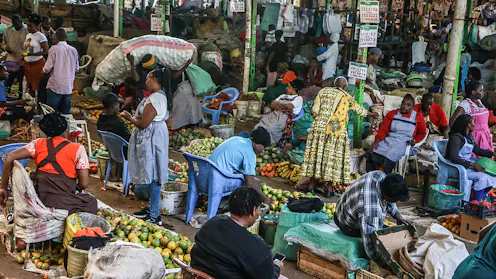
The universal fear is the effect the rise in prices is having on fuel, a staple commodity in every one of the countries for ordinary people as well as industries.
- Professor of Economics & Business, Allegheny College
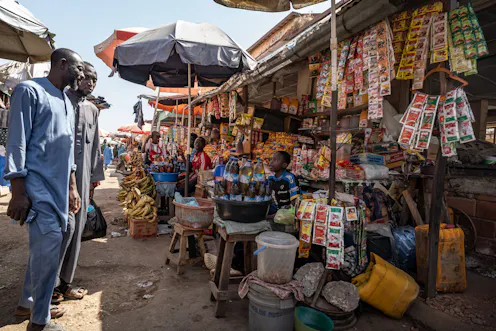
Nigeria needs a radical shift in its economic policy approach. Macroeconomic stability won’t automatically create jobs and alleviate poverty.
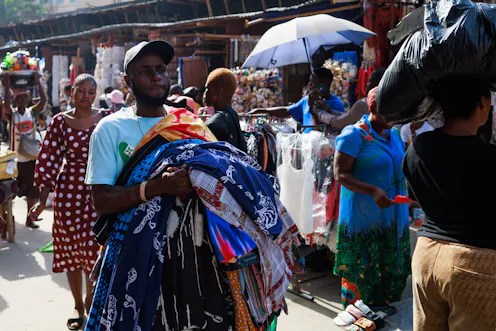
Nigeria’s economy grew but poverty worsened, especially in the rural areas. The country needs a radical shift in its economic policy approach to reduce poverty.

Nigeria’s 2025 budget is anything but pro-poor.
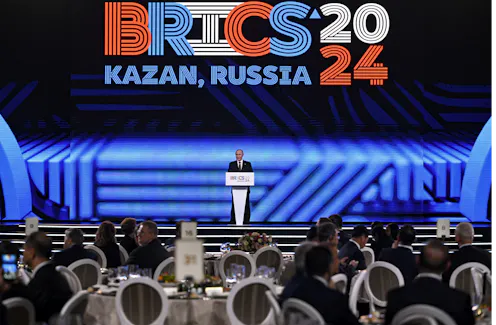
Nigeria can benefit from a Brics partnership but it must find a careful balance between the relationship and the interests of its western allies.
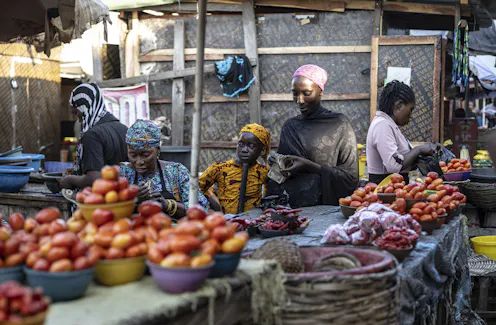
Nigeria’s President Bola Tinubu has introduced far-reaching economic reforms. They are unlikely to improve the living conditions of Nigerians in 2025.

Many African countries have a major youth unemployment problem. More must be done to create jobs and help young people develop the right skills.
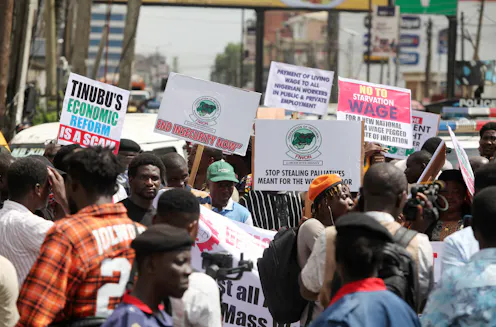
Nigeria has been faced with economic despair and social unrest. Scholars explain the issues and possible solutions.
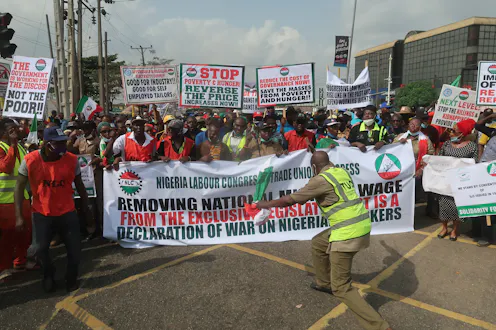
Increasing the minimum wage is a temporary fix. Upgrading the skills of Nigerian workers is the surest way of boosting their wages.
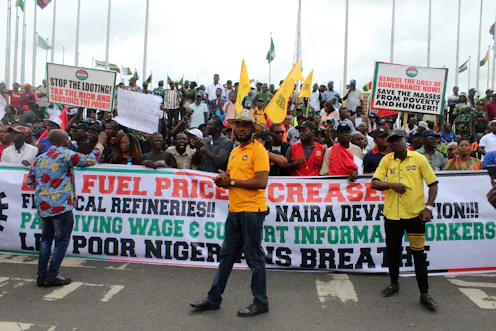
Nigeria’s sudden and total removal of fuel subsidies was not the best strategy to use.
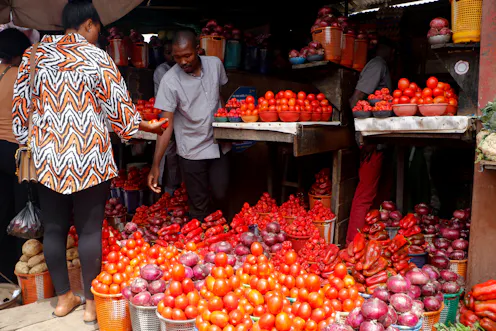
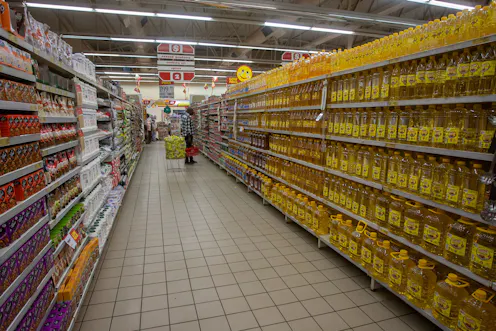
Factors pushing inflation rates downwards in other parts of the world are achieving the exact opposite result in Nigeria.
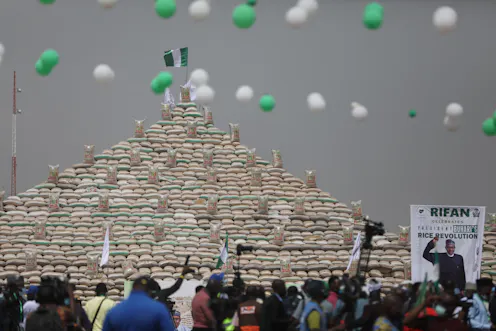
Fixing Nigeria’s food inflation goes beyond declaring a state of emergency.
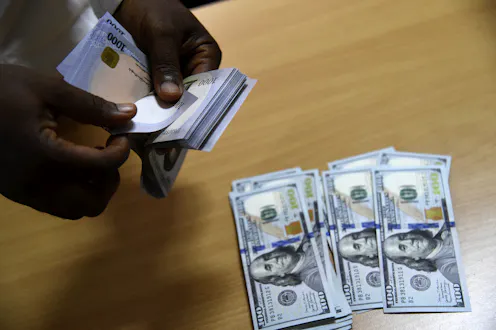
Nigeria’s new foreign exchange policy promises to discourage rent-seeking, attract foreign investment, boost exports and prevent the dollarisation of the economy but consistency is key to success.
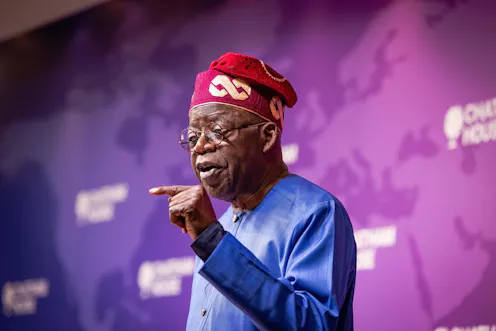
Nigeria’s debt profile is disturbing but shouldn’t hinder Bola Ahmed Tinubu’s ability to tackle unemployment and poverty.
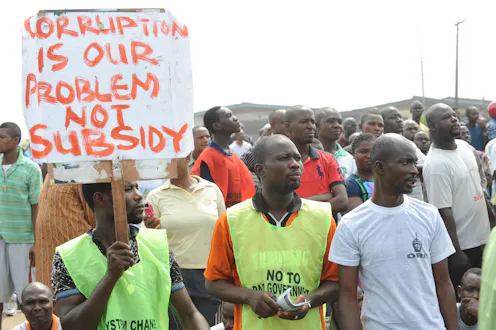
Fuel subsidy removal can benefit workers and poor Nigerians, if the process is carefully managed and implemented.
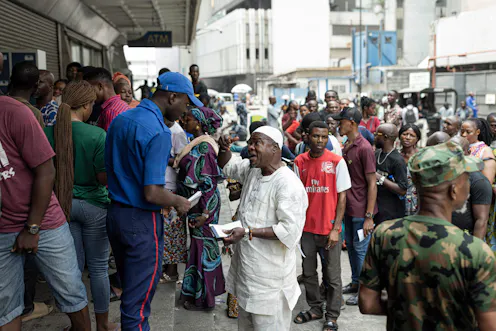
There are at least five errors that marred the currency redesign policy of the Central Bank of Nigeria, most of which could have been avoided.
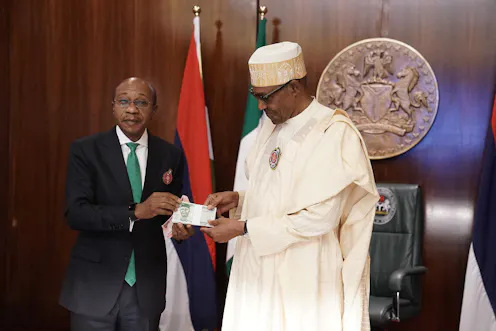
For a country that aspires to reduce bureaucracy and liberalise its financial sector, currency redesign and cash withdrawal limits can only be counter-intuitive.
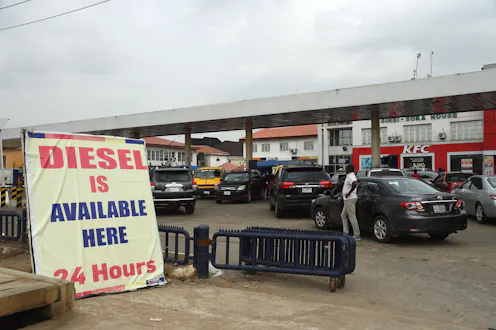
From the economic perspective, the year 2022 will be remembered, by many Nigerians, as a time of dashed hopes and disappointments.

Nigeria’s 2023 budget could worsen the country’s cycle of deficits and debts.
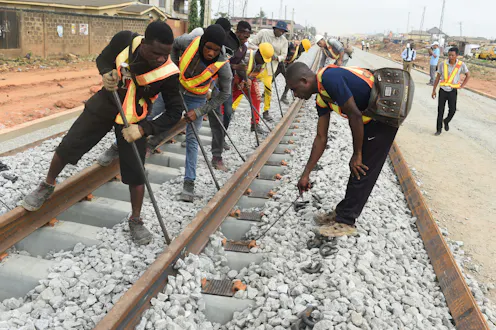
Bola Tinubu will be saddled with a near comatose economy. Here are four priorities that would make the difference.
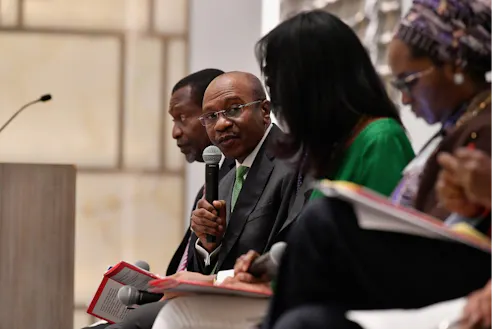
Dans le pays le plus peuplé d’Afrique, l’importance du secteur informel et le faible recours des ménages et des entreprises au crédit rendent une hausse du taux d’intérêt plutôt inopportune.
It is hard to fathom how Nigeria’s Central Bank interest rate increase would benefit most Nigerians.
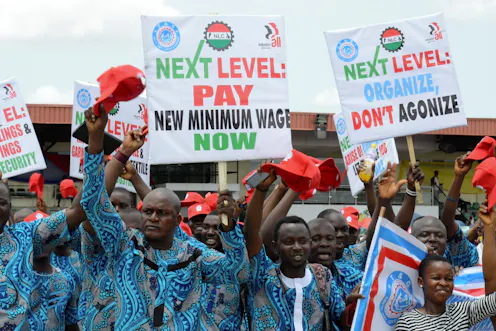
With a monthly minimum wage of 30,000 Naira (US$72), the average Nigerian worker is groaning under the weight of the rising cost of living.

Academics reflect on books on topical issues in Nigeria that they read in 2021.
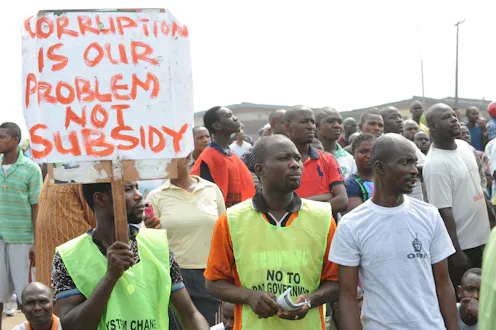
Removal of the fuel subsidy in Nigeria is long overdue, but replacing it with a transport grant is not the best approach.
Contact Stephen for
- General
- Media request
- Speaking request
- Consulting / Advising
- Research collaboration
- Research supervision
- Location: Pennsylvania, United States
- Website
- Article Feed
- Joined
