
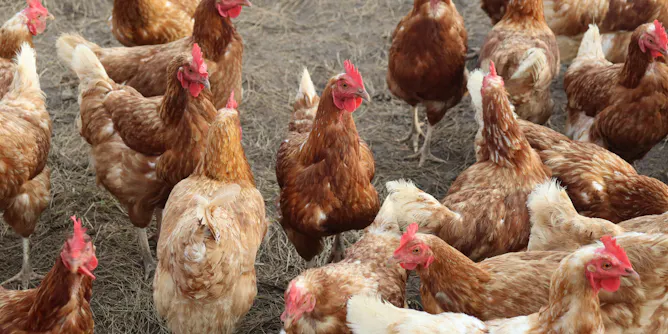
The poultry industry is on high alert. But authorities have had years to prepare for this moment and plans are being put in place.
Articles on A(H5N1)
Displaying all articles
The arrival of the H5N1 strain may threaten our most vulnerable species.

Officials have confirmed eight new outbreaks in Michigan poultry flocks since mid-December.
New laws in Canada will make it harder for whistleblowers to shed light on cruelty and malpractice in animal agriculture — and will hinder efforts to prevent the next global pandemic.
The H5N1 virus has infected about 900 people since 2003, and more than half of them died. But so far there is no evidence of human-to-human transmission.

H5N1 is the latest evidence that climate change is altering how viruses spread and evolve. It is essential that global public health officials take these dynamics into account.
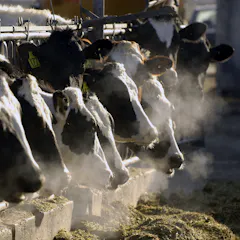
Five livestock experts who study infectious diseases in the dairy industry explain the risks.
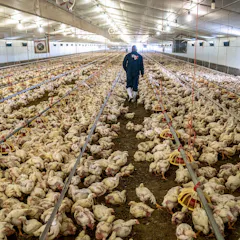
New and innovative thinking is needed to deal with the reality on the ground in South Africa.
Top contributors
-

Professor of Immunology and Associate Dean, Research and Graduate Studies, University of Guelph
-
Senior lecturer, specialist poultry veterinarian, University of Pretoria
-
Professor of Veterinary Medicine, University of California, Davis
-
Professor of Veterinary Medicine, University of California, Davis
-
Assistant Professor (McGill University - Animal Sciences), Adjunct Professor (University of Guelph - OVC), University of Guelph
-
Associate Professor of Veterinary Medicine and Associate Agronomist, University of California, Davis
-
Associate Specialist in Cooperative Extension, Production Medicine and Food Safety, University of California, Davis
-
Professor of Veterinary Medicine, University of California, Davis
-
Assistant Professor of Immunology and Microbiology, University of Colorado Anschutz
-
PhD candidate, sessional instructor, University of Victoria
-
Assistant Professor, Sociology, University of Victoria
-
Dean of College of Veterinary Medicine, Michigan State University
-
Professor in Wildlife Ecology and Conservation, School of Life & Environmental Sciences, Deakin University
-
Lecturer in Poultry Health, University of Sydney