
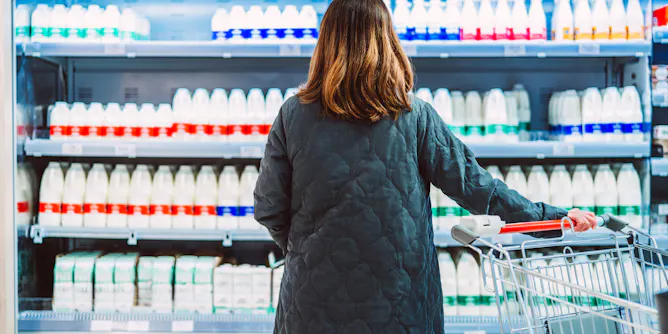
Gene-edited dairy products could help farmers adapt to climate change. New research shows consumers may be willing to buy them under the right conditions.
Articles on Dairy cows
Displaying 1 - 20 of 25 articles

Officials have confirmed eight new outbreaks in Michigan poultry flocks since mid-December.
Raw milk can carry many dangerous germs − now including the H5N1 virus that causes avian flu.
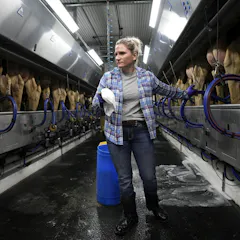
Dairy farms are struggling to survive as production costs exceed sales. The result, consolidation, with more cows on bigger farms, has an impact on communities and knowing where your food comes from.
The H5N1 virus has infected about 900 people since 2003, and more than half of them died. But so far there is no evidence of human-to-human transmission.
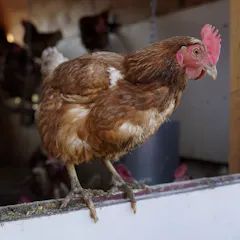
Our approach to combating pandemics must shift to one that prioritizes prevention of human infections with zoonotic viruses, rather than focusing on rapid response once human infection is widespread.

Migratory birds could bring the lethal bird flu variant that is assailing the rest of the world’s birds.
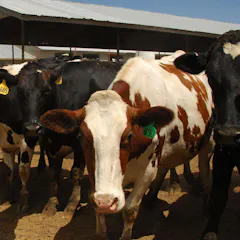
A veterinarian and epidemiologist who studies infectious diseases in dairy cows discusses the outbreak, how cows recover and what the government is doing to keep the milk supply safe.
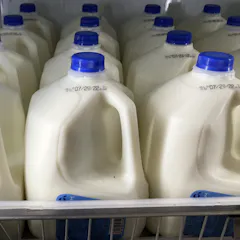
H5N1 influenza has been reported in dairy cows, and detected in milk. Here’s a look at what’s known about how pasteurization affects the virus and the safety of consuming H5N1-contaminated milk.
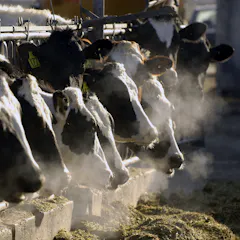
Five livestock experts who study infectious diseases in the dairy industry explain the risks.
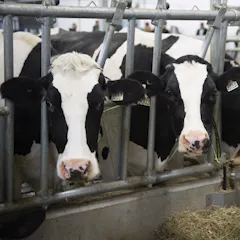
Bird flu in U.S. dairy cows has Canadian public health experts on high alert. With one human case identified in Texas, what is the likelihood of H5N1 influenza moving from birds to mammals to people?

Researchers looked at the skeletal remains of 40 people, and found evidence of dairy consumption across a wide swathe of early Tibetan society.
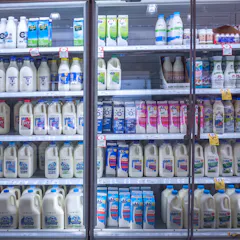
Synthetic milk offers dairy milk without the concerns such as methane emissions or animal welfare. But is it the whey forward?

Technological changes on the horizon will likely disrupt the dairy industry as we know it — plans to mitigate the risks this transition poses to farmer livelihoods and animal welfare should start now.

This grass may hold the key to improving milk yields from cows kept by small-scale farmers across the African continent.

A recent controversy over the consistency of butter reflects the need for evidence rather than anecdotal data.

New Zealand’s dairy industry is arguing consumers are being misled if the term “milk” is used for plant-based products such as almond or coconut milk, but consumers are savvier than that.

Countries that have phased out supply management systems in the dairy industry have seen an initial spike in production, then a steady decline. That’s why Canada should protect its dairy farmers.

Dairy cows are sensitive to heat, so farmers cool them down with sprinklers and fans. Researchers are designing better, more efficient systems to keep cows comfortable through hot California summers.

By 2100, heat stress in cows could see average sized dairy farms losing up to £14,000 a year.
Top contributors
-

Professor, Senior economist and team leader Food Marketing Research, Scotland's Rural College
-
Associate Professor Production Animal Health, Te Kunenga ki Pūrehuroa – Massey University
-
PhD Student, University of Edinburgh
-
Director of External Research for frank, College of Journalism and Communications, University of Florida
-
Professor of Animal Science, University of California, Davis
-
Research Fellow in Ruminant Livestock Modelling, Aberystwyth University
-
PhD Candidate, Civil and Environmental Engineering, UC Davis, University of California, Davis
-
Professor of Anthropology, Massachusetts Institute of Technology (MIT)
-
Professor of Livestock Science, Aberystwyth University
-
Assistant Professor of Marketing, University of Oregon
-
Principal Scientist, LIVES Project Manager, Deputy to the Director General's Representative in Ethiopia, International Livestock Research Institute
-
Graduate Student, University of California, Davis
-
Associate Professor and Veterinarian, Colorado State University
-
Honorary Professor, Archaeology, The University of Queensland
-
Dean of the Faculty of Agriculture, Dalhousie University