
Biological samples and data from Aboriginal and Torres Strait Islander peoples have been misused in the past. So how would we make a new screening program safer?
Articles on Aboriginal health
Displaying 1 - 20 of 74 articles
When First Nations people get the right support in the health system, their physical and mental health improves.
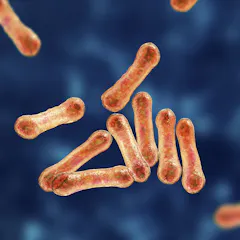
Since January, Australia has recorded more than 220 diphtheria cases. Experts say waning vaccination rates are contributing to this historic outbreak.
Aboriginal people in remote Australia have no choice but to live in homes too small for their families and face long waits for plumbing and washing machine repairs.
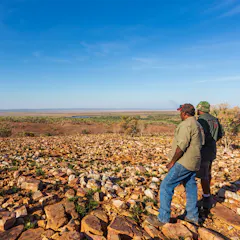
To close the gap, we need First Nations people involved in the evaluation of what worked and what didn’t about Indigenous-focused wellbeing programs.
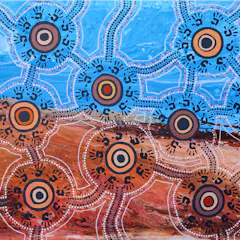
Skin infections disproportionately affect children in Australia’s remote Indigenous communities.
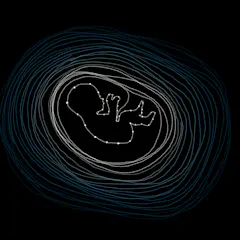
First Nations women face almost twice the risk of stillbirth compared to non-First Nations women. Much of the inequity can be linked to the ongoing impact of colonisation on birthing women.
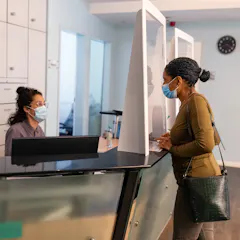
Lupus is two to four times more common among Aboriginal and Torres Strait Islander people. It’s also tends to be more severe, with higher rates of kidney failure than non-Indigenous people with lupus.
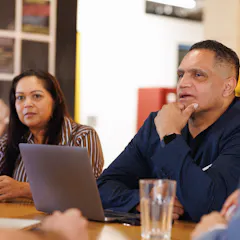
A transactional mental health system fails to accommodate consumers’ needs for human connection and understanding. Elders in Perth are helping to transform this system.

Poor sleep deprives First Nations people of the chance to connect with culture. So they co-designed a sleep apnoea program they’d actually use.

Aboriginal Elders play an important role as community leaders and cultural knowledge holders. Supporting this aspect of ageing well is crucial.
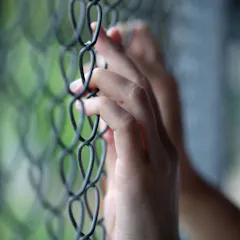
Children as young as ten don’t have access to Medicare if detained. And they’re dying of largely preventable diseases.

Some First Nations women who sustain head injuries from family violence don’t access health care and support. We studied why and found one reason is a fear their children will be taken away.
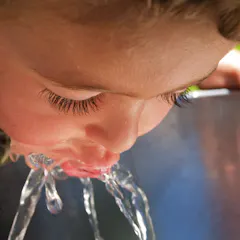
We estimate more than 200 communities across Australia do not have community drinking water fountains. That must change.

For remote Indigenous communities, reductions in alcohol use are linked with the strength of culture, empowerment and community.

If we are to reduce the numbers of Aboriginal and Torres Strait Islander people smoking we need to consider a whole suite or approaches.

Here’s where we could lift our game to ensure reliable, equitable and culturally safe telehealth for First Nations people in Australia, whether living remotely or in our cities.

Higher levels of parental wellbeing while children were young was linked with children being more physically active as they got older.

Government health organisations need to provide better support for Indigenous people suffering from musculoskeletal conditions.

Some NDIS participants worry if they don’t spend their annual funds, they won’t be offered the same supports in their next plan – and it’s harder for some to use what they’ve been allocated.
Top contributors
-

Professor, Public Service Research, UNSW
-
Associate Professor, UNSW
-
Professor Emerita of Criminology, UNSW
-
Senior Lecturer in Social Work and Policy Studies, University of Sydney
-
Director of POCHE Centre for Indigenous Health, The University of Queensland
-
Chancellor, University of Canberra
-
Professor, Critical Indigenous Studies and Director of The Centre for Global Indigenous Futures, Macquarie University
-
Ellison Professor of Aboriginal Research, The Kids Research Institute Australia
-
Melissa Sweet is a Friend of The Conversation.
Independent journalist and health writer; Adjunct Senior Lecturer, Sydney School of Public Health, University of Sydney; Founder of Croakey.org. PhD candidate, University of Canberra
-
Senior Lecturer, Centre for Nursing and Midwifery Research, James Cook University
-
Director, Arney Chong Consulting and Positive Futures Research, Adelaide University
-
Professor of Communication and Media Studies, Director, News and Media Research Centre, University of Canberra
-
PhD Candidate in Social Work and Criminology, UNSW
-
Associate Research Professor, Adelaide University
-
Professor of Indigenous Genomics, Australian National University