
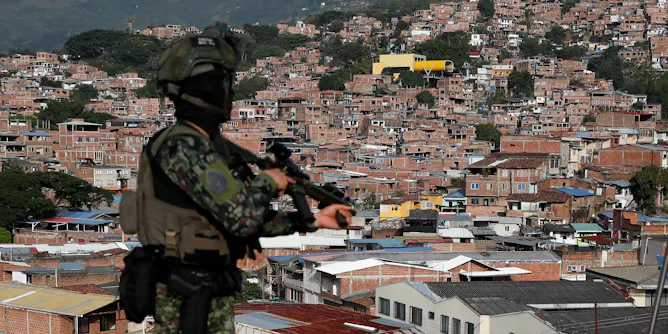
The Trump administration says Colombia is failing to meet anti-narcotics obligations as cocaine production surges and cooperation frays.
Articles on Addicted global drugs series
Displaying all articles

Veterinary drug medetomidine spreads through illicit opioid supply.

The cheap, addictive yaba pill is at the heart of a public health crisis in Thailand, with trafficking networks expanding across southeast Asia.
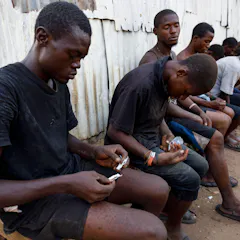
Kush, a synthetic drug ravaging Sierra Leone, highlights a crisis of sedation and structural neglect in marginalised communities all over the world.

Addiction isn’t a brain disease – but substance use is rarely a free choice either.

To curb the illicit drugs trade, law enforcement should look beyond individual drug busts and focus on capturing the illegal money that reaches so many parts of the global economy.

I’ve met many homeless British people who have been exploited. It seems to be addiction, more than homelessness, that puts them in harm’s way.
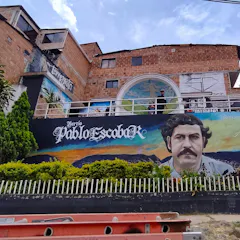
Colombia’s history as a drug trafficking hub still plays a major role in attracting visitors to the country.
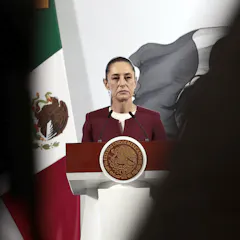
Donald Trump’s claims of an alliance between Mexico’s government and the cartels misses the bigger picture.
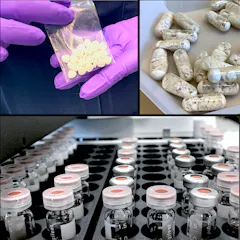
Unlike opium, nitazenes and other synthetic opioids can be produced anywhere in the world using precursor chemicals that are often uncontrolled.
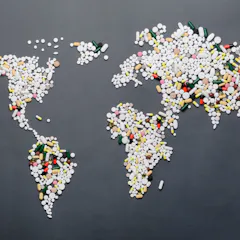
As with climate change, why are we so slow to recognise the existential threat that drug use poses to humanity?
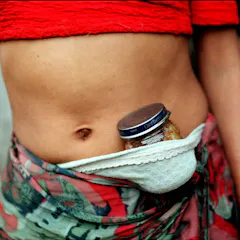
Known locally as “la Reina del Sur”, Soraya’s story shows how gender issues permeate the criminal activities of gangs and drug traffickers.

Marwan has spent years as a gang member in apartheid-torn Cape Town.
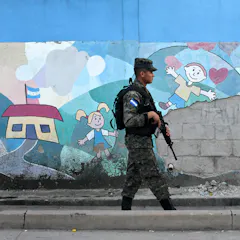
Jennifer, now 41 years old, was the first female gang leader in Honduras, a country devastated by gang wars. Fifteen years after going straight, she tells her story.
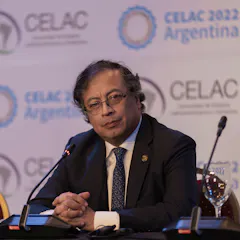
Colombia’s current president, Gustavo Petro, is pushing for a new global approach to drug addiction and use.

Widespread violence tied to Ecuadorian drug gangs has left the country looking at a draconian response.
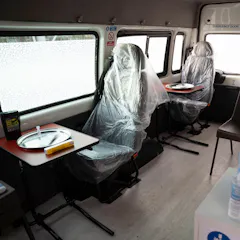
There are around 200 supervised injection facilities around the world but the UK government remains opposed to their introduction
Top contributors
-

Senior Lecturer in Criminology, Swansea University
-
Professor of Politics and International Relations, Florida International University
-
Professor, Department of Politics and Society, Aalborg University
-
Chercheuse, Post-doctorante, Centre de Recherches en Droit Pénal (CRDP), Université Libre de Bruxelles (ULB)
-
Research Fellow in the War Studies Department, King's College London
-
Honorary Fellow, Department of Health Sciences, University of York
-
Visiting Senior Lecturer, Department of War Studies, King's College London
-
Honorary Lecturer in the Department of History, UCL
-
Visiting Lecturer, PhD Candidate, Leeds Beckett University
-
PhD Candidate, Social Policy, University of Edinburgh
-
Senior Lecturer in Public Health, University of Stirling
-
Professor of Substance Use and Inclusion Health, University of Stirling
-
Research Fellow, Glasgow Caledonian University
-
Senior Lecturer, University of the West of Scotland
-
Lecturer In Criminology, Bournemouth University