

The way African language courses are offered at South African universities keeps social divisions in place.
Articles on Afrikaans
Displaying 1 - 20 of 27 articles
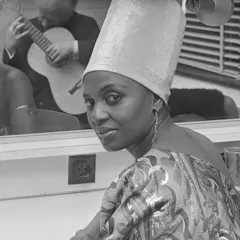
The song was written hot, as the news of the massacre reached the world. Its creators spanned the continent.
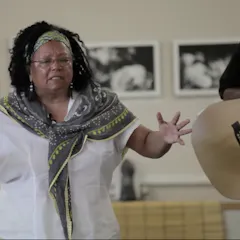
Her poem I’ve Come to Take You Home was written into French law. It deals with the repatriation of the remains of Sarah Baartman.
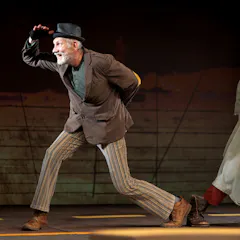
A certain amount of political baggage had to be shaken off before such a feat could be realised – not just in the right words, but in the right spirit.

After three decades of democracy, the status of Afrikaans at formerly Afrikaans universities remains the subject of considerable debate.

The celebrated South African writer and poet Breyten Breytenbach has died at 85. He used his art to fight for justice for marginalised people throughout his life.
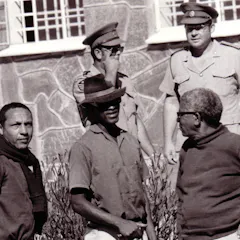
The activist and writer has been erased from South Africa’s history - but new academic work seeks to restore his voice.

Controversial South African band Die Antwoord illustrates the power relations that make cultural appropriation and blackface so damaging.

Buys, the award-winning novel by Willem Anker, uses lines without credit from the Irish writer - not the first such literary controversy it has raised.
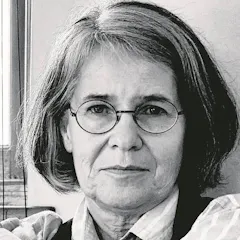
The famous writer turns 70 this year. She is driven by how South Africans see and hear one another.
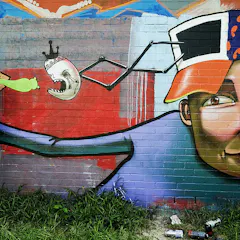
It’s been in existence since the 1500s but the Kaaps language, synonymous with Cape Town, has never had a dictionary until now.

What are the visions that reflect the diverse values that nature holds for people?
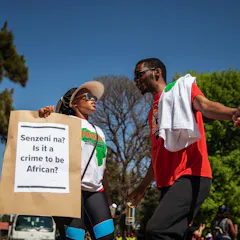
Research has shown that African immigrants in South Africa refrain from speaking their own languages and try to speak local languages to blend in.

The FF+‘s constituency is overwhelmingly Afrikaner white Protestants. But, it appears to have made inroads among coloured conservatives.
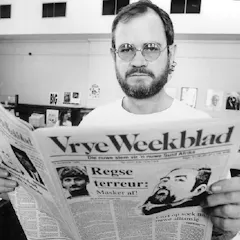
A progressive Afrikaans newspaper will be relaunched soon. But Vrye Weekblad can’t trade on its history alone. It will need to consider the challenges of the present and the future.
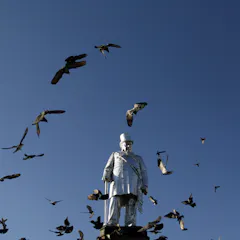
Afrikaners in post-apartheid South Africa struggle with a historical sense of inferiority that reinforces their whiteness.
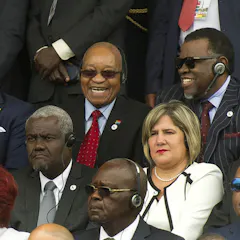
Raising the status of the African languages to that of official languages in South Africa post-1994 led to an explosion of translation and interpreting work in local and foreign languages.
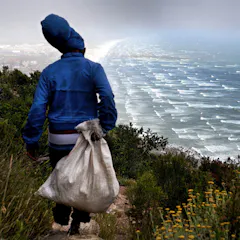
Ethical engagement in multilingual communication is about mutual respect. More importantly, it’s about shaping a shared future through face-to-face communication.
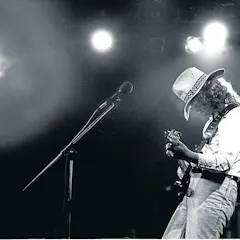
Rock music against military conscription during 1980s South Africa resonated with wider fault lines in Afrikaner society - this as the apartheid regime’s grip on power started to slip.

Afrikaans is very much a black language. The apartheid government’s ploy to construct it as a “white language”, with a “white history”, denied the commonality of the language across race and class.
Top contributors
-

Emeritus Professor of Literature and Literary Theory, Department of Afrikaans, University of Pretoria
-
Professor of African Language Studies, University of the Western Cape
-
University of Cape Town
-
Associate professor, University of the Free State
-
Lecturer in Directing, Producing, Entrepreneurship, Cape Peninsula University of Technology
-
Maseno University
-
Lecturer of History, Stellenbosch University
-
Professor, Sociology, University of the Western Cape, Nelson Mandela University
-
Distinguished Professor Faculty of Law, Stellenbosch University
-
Research fellow, University of the Free State
-
Senior Lecturer in Linguistics, University of the Western Cape
-
Professor of Journalism and Media Studies, Rhodes University
-
Political Scientist, University of the Western Cape
-
Professor and Chair, Department of Journalism, Stellenbosch University
-
Senior Lecturer in English, University of the Western Cape