
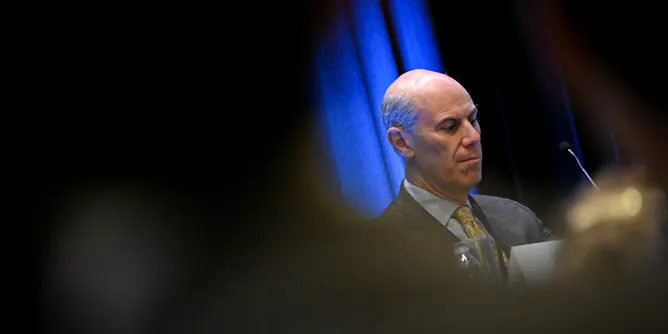
A federal court stopped contempt proceedings against Trump administration lawyers, but they may still have to respond to charges in states where they are licensed to practice law.
Articles on Alien Enemies Act
Displaying all articles
Political leaders in El Salvador, the Philippines and Israel, among other places, have also positioned judges as the enemy of the people.

Instead of upholding Trump administration policies, federal judges − including Trump appointees − are blocking much of Trump’s second-term agenda. It’s what happens when a president overreaches.
The Trump administration claims that judges’ orders in the cases of immigrants deported to a prison in El Salvador intrude on the president’s right to conduct foreign policy.
Judge James Boasberg’s order stops short of holding any government officials in contempt, but leaves open the possibility for these sanctions.
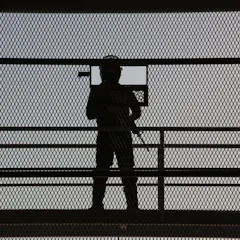
Can both sides legitimately say they won a Supreme Court victory?
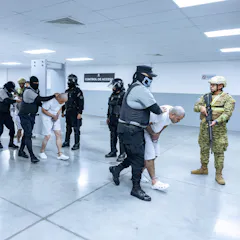
While foreign terrorist organizations typically have a political or religious ideology, transnational criminal organizations are driven by profit.
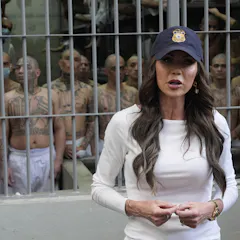
A scholar explains why the Trump administration’s actions may violate the constitution.
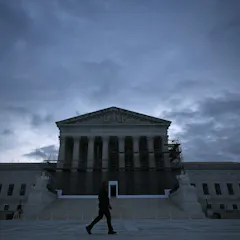
The current case focused on the deportation of Venezuelan immigrants raises concerns about whether the president will continue to respect the country’s legal system.
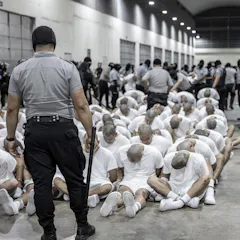
The Alien Enemies Act, first used in the late 1700s, was last invoked during World War II.

John Adams signed the Sedition Act in an attempt to silence dissent. Some other Founding Fathers thought that muzzling the press would mean the end of the republic.
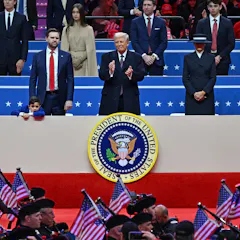
While the president has a broad range of immigration and national security powers, he cannot change US law on his own.
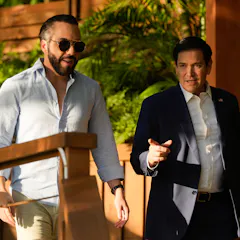
The Alien Enemies Act, first approved in the late 1700s, was last used during World War II to identify particular foreign nationals living in the US.
Top contributors
-

Professor of Legal Studies and Political Science, UMass Amherst
-
Professor of Law and Director of the Center for Professional Ethics, Case Western Reserve University
-
Professor of Political Science, University of Oregon
-
Professor, and Director, Center for Latin American and Latino Studies, American University; Institute for Humane Studies
-
Professor of Legal Studies and Political Science, UMass Amherst
-
Martin Luther King, Jr. Professor of Law, University of California, Davis
-
Assistant Professor of Philosophy, Clemson University
-
Clinical Associate Professor of Law, Co-Director, USC Immigration Clinic, University of Southern California
-
Associate Dean for Research and Intellectual Life, Albany Law School
-
Professor of History, Kennesaw State University
-
Associate Professor of Law, Arizona State University