

Every dollar invested in hearing care returns about $16. So why are 98% of Africans who need a hearing aid still going without one?
Articles on Audiology
Displaying all articles
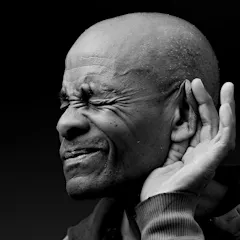
Hearing loss affects the brain and well-being, so why don’t more people get help? It’s a psychological journey as much as a medical one.

Many Australians experience hearing loss but hesitate to seek help. So what are the options if you need help with your hearing?
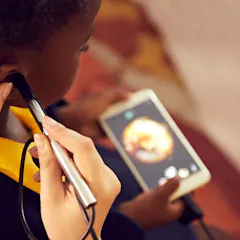
There is only one audiologist for every million people in Africa. Pioneering digital devices help close the gap.

Some commercial wireless earphones could work as basic hearing aids, a new study claims.

OTC hearing aids promise to increase the accessibility and affordability of the devices for millions of adults who live with untreated mild to moderate hearing loss.
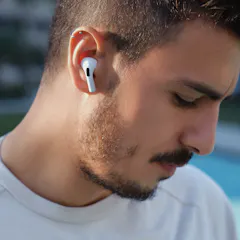
Wireless earphones have freed us from devices. It’s tempting to wear them all day for phone calls, podcasts and music but research into hearing aids suggests this can create a sticky problem.
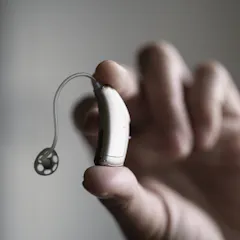
Only 3.7% of people in the U.S. with hearing difficulty own hearing aids. Thanks to a federal law in progress of being implemented, OTC hearing aids may help bridge the gap.

Unidentified or late identified hearing impairment has significant implications for the speech-language, cognitive and scholastic development of the child.
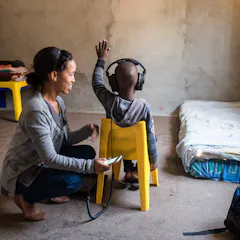
mHealth supported service-delivery systems can provide increased access to hearing and vision services for preschool children in poor communities.

The aliens of A Quiet Place track their prey by hearing something outside the norm.

The term APD describes several disorders that result in a breakdown in the listening process. It is most common in primary school, affecting more than 5% of children.
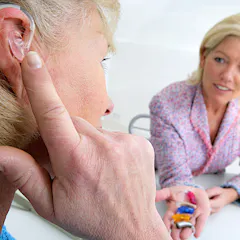
Audiology services are government registered for many – such as for children up to the age of 26 and veterans. But many fall through the cracks and rely on the self-regulation of the industry.
Top contributors
-

Professor in Audiology in the Department of Speech-Language Pathology and Audiology, University of Pretoria
-
Associate Professor of Pharmacy and Therapeutics, University of Pittsburgh
-
Professor of Audiology, University of Pittsburgh
-
Associate professor, University of the Witwatersrand
-
Associate Professor of Science & Medicine, Bond University
-
Reader in Applied Cognitive Psychology, Cardiff Metropolitan University
-
Senior Research Fellow, Division of Human Communication, Development and Hearing, University of Manchester
-
Senior Lecturer, College of Nursing and Health Sciences, Flinders University
-
Senior Lecturer and Researcher in Audiology, The University of Queensland
-
Audiology Professor, Dept of Communication Sciences and Disorders, Faculty of Rehabilitation Medicine., University of Alberta
-
Assistant Professor of Medicine, Bond University
-
Professorial Research Fellow, Audiology and Speech Pathology, The University of Melbourne
-
Academic, The University of Melbourne