

Creating a quieter environment can improve your health – but you have to know what you’re listening for.
Articles on Hearing loss
Displaying 1 - 20 of 76 articles

Every dollar invested in hearing care returns about $16. So why are 98% of Africans who need a hearing aid still going without one?

Fireworks and drums are a big part of Catalan culture, but decades of extreme noise take a toll on performers’ health.
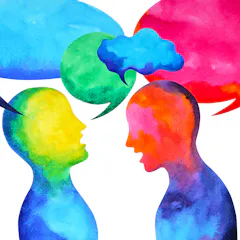
We often think of conversation as effortless. In fact, it’s a finely tuned dance of listening and speaking.

Hearing loss and dementia often occur together, but the link is complex.

Hearing loss isn’t just caused by loud noise – some medicines can harm your ears from the inside out.

Even small lifestyle changes – such as more social interaction and a better diet – can help reduce stress.
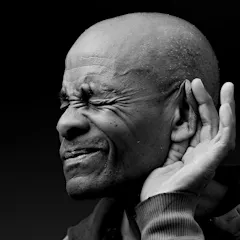
Hearing loss affects the brain and well-being, so why don’t more people get help? It’s a psychological journey as much as a medical one.

Many Australians experience hearing loss but hesitate to seek help. So what are the options if you need help with your hearing?

Surfer’s ear is thought to affect around 68% of avid surfers.

Many adults with hearing loss hide their hearing difficulties due to stigma. But there are some simple ways we can all support family and friends with hearing loss this Christmas.

Listening to music and doing homework can be in harmony − as long as you turn down the volume.

Worldwide, the number of people with dementia is set to dramatically rise in the next 25 years. But a new report shows it doesn’t have to happen.

The damage caused by loud noise exposure is irreversible – but many simple precautions can lower your risk.

Dual sensory loss means loss of sight or hearing where one sense can’t compensate for the loss of the other. It can happen at any age but the risk increases with age.
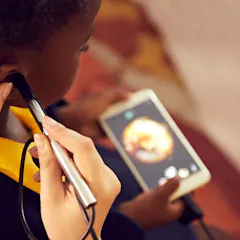
There is only one audiologist for every million people in Africa. Pioneering digital devices help close the gap.
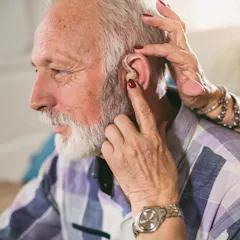
This is both a result of social inequality, and an issue that could widen disparities further.

Lifestyle-related dementia risks are complex, with factors like sleep, exercise, diet and social contact interacting with things like cognitive reserve, neuroplasticity and inflammation in the body.

Discrimination, a lack of accessibility and isolation still prevent persons with hearing loss from experiencing equity and inclusion at work.

About 40 million Americans have hearing problems due to exposure to loud sounds.
Top contributors
-

Professor in Audiology in the Department of Speech-Language Pathology and Audiology, University of Pretoria
-
Ewing Professor of Audiology, University of Manchester
-
Lecturer, Hearing Science, University of Manchester
-
Head of Ear and Hearing Health, The Kids Research Institute Australia, Curtin University
-
Associate Professor of Pharmacy and Therapeutics, University of Pittsburgh
-
Senior Lecturer, College of Nursing and Health Sciences, Flinders University
-
Professorial Research Fellow, Audiology and Speech Pathology, The University of Melbourne
-
Assistant Clinical Professor of Audiology and Clinical Audiologist, University of Colorado Anschutz
-
Professor of Otology and Neurotology, University of Virginia
-
Professor of Audiology, University of Pittsburgh
-
Professor, Macquarie University
-
Senior Research Associate, University of Bristol
-
Ph.D. student in Speech and Hearing Bioscience and Technology, Harvard University
-
Lecturer in Computer Science and Informatics, University of East London
-
BrightSpark Foundation Research Fellow, The University of Western Australia