

Feral horses can inflict major ecological damage, as two experts explain.
Articles on Biodiversity
Displaying 1 - 20 of 1176 articles
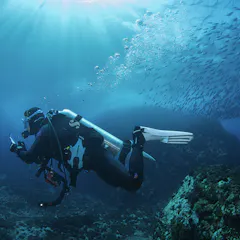
Overfishing and poor enforcement are just two reasons marine ecosystems are struggling to recover.
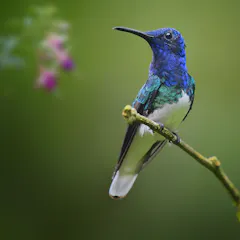
Scientists are discovering previously unknown species in unexpected places, according to a new study.
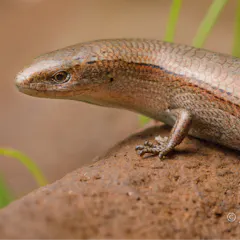
Australia is famous for its lizards and snakes. But we found at least 127 species are threatened – almost twice as many as previously thought.

Herbarium cabinets lock away valuable plant data that needs to be mobilised through digitisation.
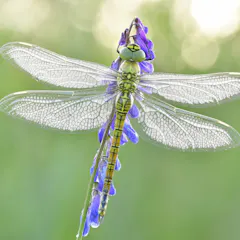
When we lose insect species without even knowing they existed, we will never know where they lived, what they looked like, how they interacted with other species or the impact they had on ecosystems.
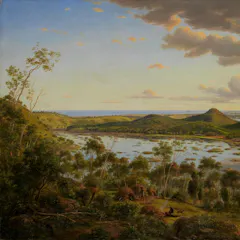
From oyster reefs to bandicoot grasslands, many Australian ecosystems no longer exist. Restoring nature is a good goal – but we cannot return to the past.
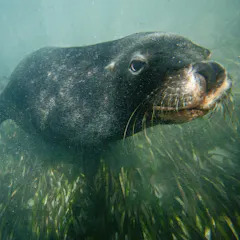
We should not wait for perfect certainty. It’s time to act before catastrophe.
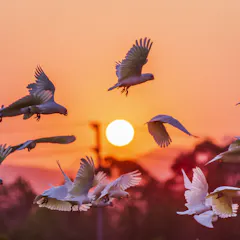
As a lethal bird flu spreads in Australian wildlife, it can be easy to think nothing can stop it. That’s an error – much can be done.
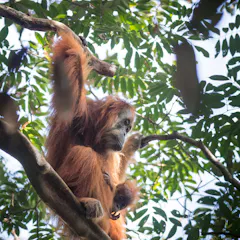
Multiple pressures are acting simultaneously in threatening Tapanuli orangutan — from extractive industries to logging to agricultural expansion and, increasingly, climate-related disasters.
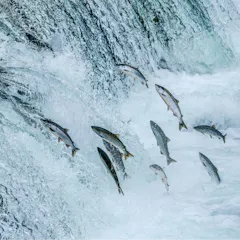
Biodiversity policies fail because governments lack the safeguards, accountability mechanisms and political commitment needed to implement them consistently.
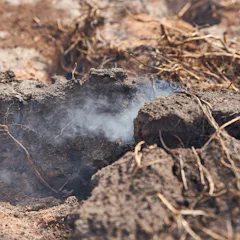
These ancient wetlands are wildlife hotspots and crucial carbon stores.
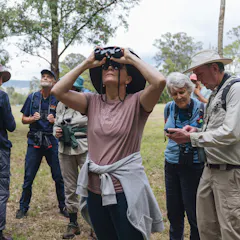
Scientists and authorities are increasingly calling for help from citizen scientists to track species and changes.

Four experts explain how we can protect the rare – and increasingly at risk – spidery wattle.
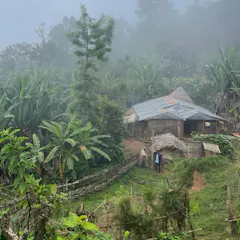
Ethiopia’s protected areas conserve almost 10% of the country, but new research has found that people living near nature reserves may be more likely to go hungry.
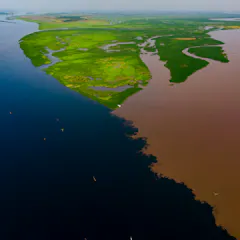
Ancient carbon is leaking from two lakes in the Congo Basin, revealing a previously unknown link between tropical peatlands and the atmosphere.
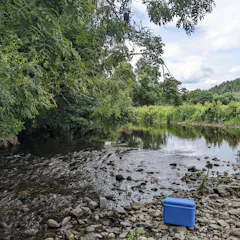
Environmental DNA contained in a small sample of water, sand or even air can reveal the presence of people, wildlife and pathogens, helping researchers track where they’ve migrated.
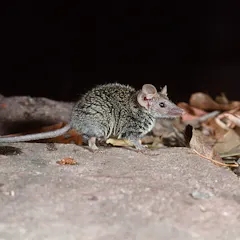
Using sophisticated genetic technology and 100-year-old museum specimens, we uncovered a new planigale species.
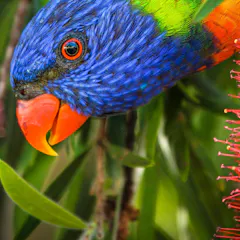
Long-term studies by citizen scientists help us understand changes in nature
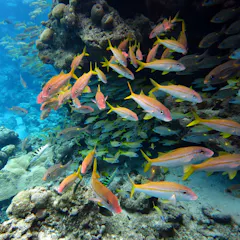
So far, about 10% of the ocean has formal protection as countries work toward the 30x30 goal, but many areas are still protected on paper only.
Top contributors
-

Professor in Wildlife Ecology and Conservation, School of Life & Environmental Sciences, Deakin University
-
Professor in Conservation Science, School of the Environment, The University of Queensland
-
Professor, Urban Ecology and Biodiversity, The University of Melbourne; RMIT University
-
Distinguished Professor of Ecology, Fenner School of Environment and Society, Australian National University
-
University Fellow in Biodiversity, Charles Darwin University
-
Professor in Conservation Science, School of Ecosystem and Forest Science, The University of Melbourne
-
Professor of Conservation Biology, Charles Darwin University
-
Distinguished Research Professor and Australian Laureate, James Cook University
-
Professor of Conservation and Sustainable Livelihoods, Charles Darwin University
-
Professor of Environmental Management, The University of Queensland
-
Senior Lecturer, Public Sector Management, School of Business, UNSW
-
Professor of Conservation Biology, The University of Queensland
-
Ecologist and Researcher, Flinders University
-
Lecturer, School of Environment and Science, Griffith University
-
Professor, TC Beirne School of Law, The University of Queensland