
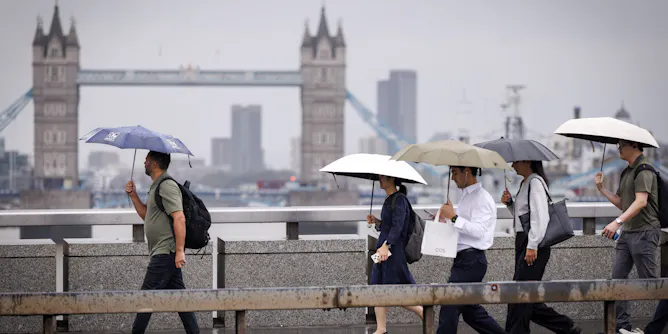
The grass is greener, but surface improvements tell only part of the story.
Articles on Climate change
Displaying 1 - 20 of 8625 articles

Keeping aging coal plants open, building new gas plants and choices about pollution controls affect electricity bills. Pollution adds health costs and climate damage that may not appear on those bills.

Nearly 43% of UNESCO World Heritage Sites in Europe are now highly vulnerable to climate-related risks.
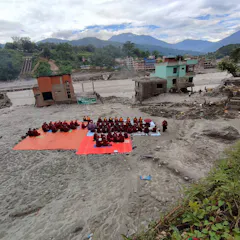
Development in known hazard zones is creating untenable risks for communities around the world. Here’s how Nepal and the global community can build back differently.
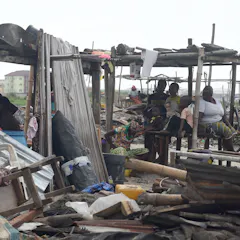
Residents whose homes cluster along waterways, canals and shorelines have built organised systems for living with climate change.
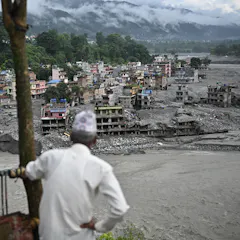
At least 119 countries have asked for aid from the fund set by major greenhouse gas emitting nations four years before the deadly Nepal flood. It has paid zero claims.
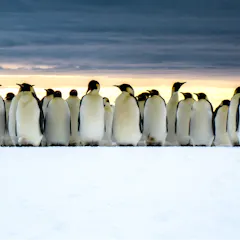
New satellite methods can track penguin colonies in winter – and can judge their health based on the colour of their guano.
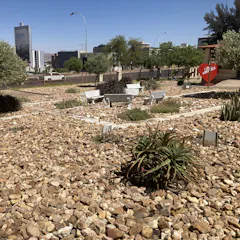
New research shows how Windhoek’s ‘Brown is Beautiful’ approach could use its dry landscape to protect the city from heat, drought and floods.
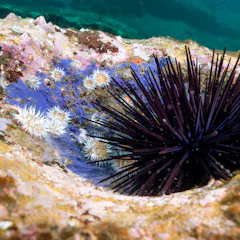
Sea urchins eat kelp – but new research shows their diets and relationships with kelp forests are more complex than commonly thought.
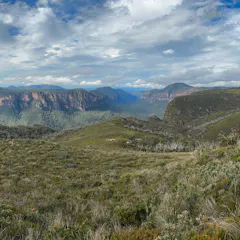
Collecting data from sensors in remote woodlands has long required arduous treks. What if sensors could transmit data in real time?
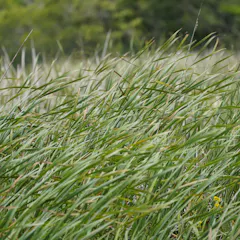
More common extreme weather events can create opportunities for invasive species to spread.

The Fens are a food-growing powerhouse, but the landscape only exists thanks to humans holding back the sea.
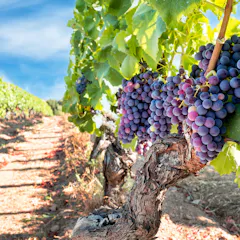
Renowned wine regions from Australia to South Africa are battling increasingly fierce fire seasons.

Two new books, End Times Fascism and Nerd Reich, take a hard look at fascism today – and its intersections with big tech.
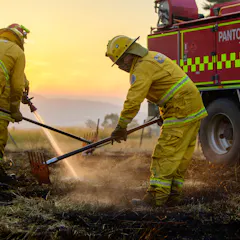
Over the past 12 months, the federal government has approved multiple fossil fuel projects and cut climate science funding.
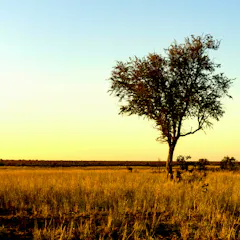
Global tree-planting campaigns can harm natural drylands. Effective climate restoration must work within dryland ecosystems, not seek to replace them.
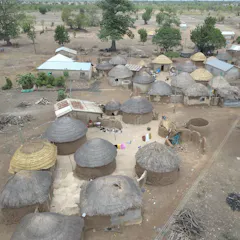
Modern styles of architecture can learn from traditional approaches to building.
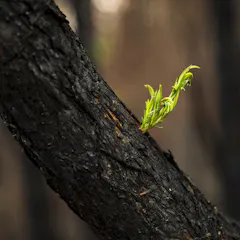
Global warming is set to surpass the 1.5°C limit if governments worldwide fail to act.

People restoring Africa’s ecosystems need climate services that combine forecasts with Indigenous knowledge and information about land, water and livelihoods.
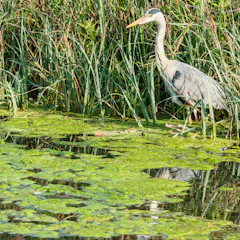
Hot weather accelerates toxic algal blooms, but nutrient pollution provides the fuel.
Top contributors
-

Professorial Fellow, University of Canberra
-
ARC Future Fellow and Associate Professor in Climate Science, ARC Centre of Excellence for 21st Century Weather, The University of Melbourne
-
Chief Research Scientist, CSIRO Environment; Executive Director, Global Carbon Project, CSIRO
-
Professor of Earth System Science, UCL
-
Professor, School of Economics, The University of Queensland
-
Research Associate, Institute for Climate Risk and Response, UNSW
-
Adjunct professor, UNSW
-
Professor, Crawford School of Public Policy and Director, Centre for Climate and Energy Policy, Australian National University
-
Former Visiting Fellow, SPRU, University of Sussex Business School, University of Sussex
-
Professor emeritus, The University of Melbourne
-
Assistant Director of the Global Systems Institute, University of Exeter
-
Chair of Cognitive Psychology, University of Bristol
-
Professor of International Relations, The University of Queensland
-
Senior Research Fellow, Melbourne School of Psychological Sciences, The University of Melbourne
-
Deputy Director, Engagement and Impact, The ARC Centre of Excellence for the Weather of the 21st Century, Australian National University