

Mustard gas exposure is dangerous and traumatic – scientists are coming up with ways to detect its presence in the environment.
Articles on Biosensors
Displaying all articles
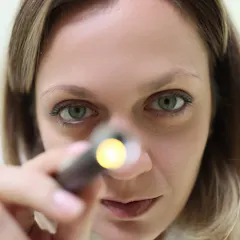
Your GP shines a light in your eyes, orders a blood test and requests some medical imaging. All rely on light to help diagnose disease.
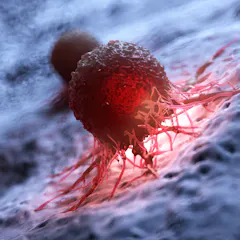
A proof-of-concept study using bacteria shows cell therapy can detect tumours – and may one day be able to treat them.

There are several reasons that TB patients don’t or can’t adhere to their treatment.
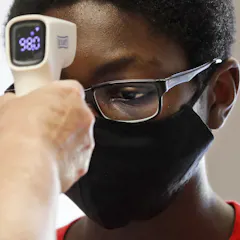
Sensors are everywhere, from your phone to your medicine cabinet. Here’s how they turn events in the physical world into words and numbers.

An optical sensor that can detect individual molecules promises early detection of diseases and environmental contamination.

Researchers are developing tattoo inks that do more than make pretty colors. Some can sense chemicals, temperature and UV radiation, setting the stage for tattoos that diagnose health problems.

One way to make sensors small is to make them out of something that’s incredibly small in the first place, such as DNA.

Elephants have the highest count of olfactory receptor genes of any species tested to date. This suggests that they may be the best smellers in the animal kingdom.

New research works out how to translate between the language of biology – molecules – and the language of microelectronics – electrons. It could open the door to new kinds of biosensors and therapeutics.

Flexible, easy to make, inexpensive, stretchable and simple to coat with nanomaterials, threads are also very commonly used by doctors already.
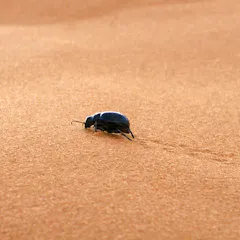
Detecting drier or wetter conditions is crucial for insect survival. We’ve long known they can do this – now researchers have discovered the genetic and neural basis for their humidity-sensing system.
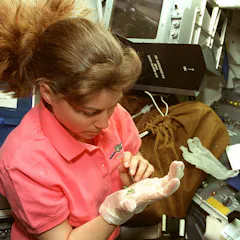
Plants on the International Space Station must figure out how to grow in a completely novel environment. Their adaptability hints at how they’ll react to changes here on Earth – or in future space outposts.
Top contributors
-

Director, Robert E. Fischell Institute for Biomedical Devices, University of Maryland
-
Professor of Bioengineering, University of Maryland
-
Senior research associate, University of Athens
-
Senior Lecturer of Biology, Lund University
-
Director of the Interdisciplinary Center for Biotechnology Research, University of Florida
-
PhD Candidate, School of Animal, Plant and Environmental Sciences, University of the Witwatersrand
-
Research Professor, Graduate Faculty in Plant Molecular and Cellular Biology, University of Florida
-
Professor of Neurobiology, Northwestern University
-
Professor of Electrical and Computer Engineering, Tufts University
-
Assistant Professor of Biomedical Engineering and Optical Sciences, University of Arizona
-
Associate Professor of Electrical Engineering, University of Tennessee
-
Senior lecturer, University of the Western Cape
-
Gastroenterologist and cancer scientist, South Australian Health & Medical Research Institute
-
Assistant Professor, University of Colorado Boulder
-
Associate Professor and ARC Future Fellow and Director, UniSA Microscopy and Microanalysis Facilities, Adelaide University