

A full moon, low on the horizon, tinted red – it’s a sight not to be missed.
Articles on Blood moon
Displaying all articles
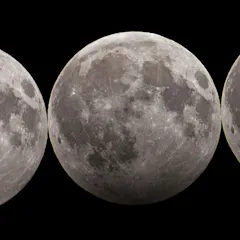
Not all lunar eclipses are alike. An astronomer explains the science behind the slight dimming of the Moon on May 5, 2023.

A total lunar eclipse will be visible from parts of Australia, Asia and the western parts of North and South America on May 26.
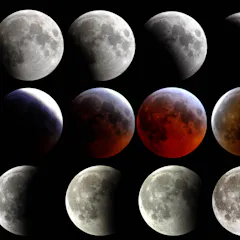
In the early morning of May 26, 2021, there will be a super blood-red lunar eclipse. The show will be spectacular and can all be explained by the orbits of the Earth and Moon.

While the world gathers to see an eclipse, what’s the rest of nature doing?

The longest lunar eclipse this century, and other special features such as Mars looking spectacular will be seen.
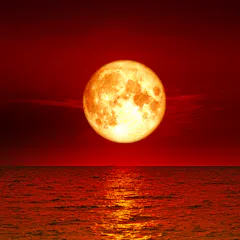
The blood moon myths are many and varied, but, at the end of the day, it’s just an eclipse.
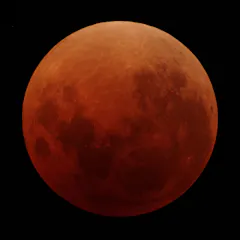
All five five planets visible to the naked-eye are on show in the night skies over Australia, and a Blood Moon on the way too.
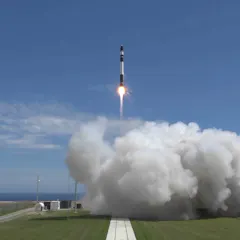
There are plenty of astronomical things to watch out for this year beyond this week’s lunar eclipse, including new Moon landings and a space station falling back to Earth.
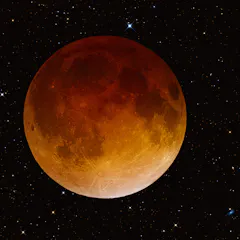
Studying lunar eclipse could help us work out what’s happening on exoplanets.
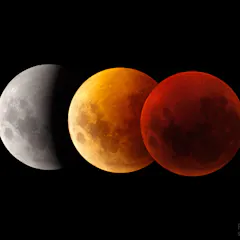
There is plenty of excitement about the lunar eclipse this week, but don’t believe all you read and hear about this wonderful astronomical event.
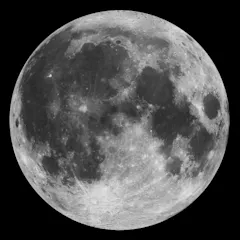
A bunch of uncommon things all happening at the same time mean this full moon will have some special attributes.

A rare super blood moon visible from parts of the Earth this month will delight those people lucky enough to see it. But why has this marvel of the solar system got some people so worried?
Top contributors
-

Senior Curator (Astronomy), Museums Victoria Research Institute; The University of Melbourne
-
Director of the Abrams Planetarium, Michigan State University
-
Pro Vice-Chancellor Flagship Initiatives, Swinburne University of Technology
-
Astrophysicist/Cosmologist, Australian National University
-
Science Engagement Astronomer, South African Astronomical Observatory, National Research Foundation
-
Professor of Astrophysics and Associate Director of Jodrell Bank Centre for Astrophysics, University of Manchester
-
PhD Candidate in Space History, UCL
-
Reader in Animal Biology and Physiology, Royal Holloway, University of London
-
Lecturer in Astronomy, Nottingham Trent University