
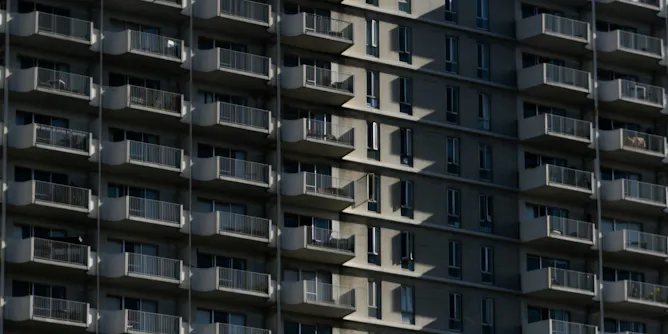
Apartments built to today’s standards could be too hot for future comfort for about four weeks a year in Redfern and more than seven weeks in Penrith.
Articles on Building codes
Displaying 1 - 20 of 26 articles
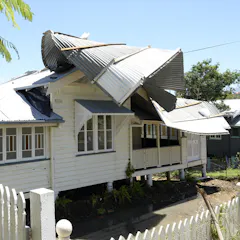
When a cyclone hits, the wind is trying very hard to pull the roof off your house. It’s vital the roof stays on – but one weak link can spell disaster.
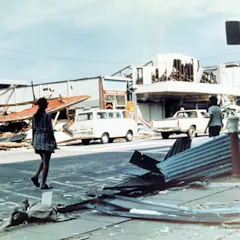
Cyclone Tracy reshaped Darwin and marked a turning point in Australia’s approach to disaster resilience.
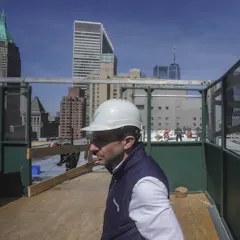
Turning excess office space into apartments isn’t a panacea for the housing shortage, but it’s producing thousands of new units yearly and is more sustainable and economical than new construction.
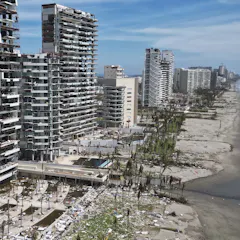
The best science is not always the best engineering when it comes to building codes. It’s also a problem across the US, as an engineer who works on disaster resilience explains.
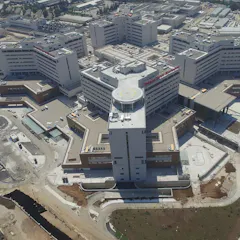
February earthquakes wreaked havoc across Turkey and Syria, killing tens of thousands of people. An engineer originally from Turkey describes what kept some buildings functional while others collapsed.

Texas wasn’t prepared to keep the lights on during Winter Storm Uri, and it won’t be ready for future cold weather unless it starts thinking about energy demand as well as supply.
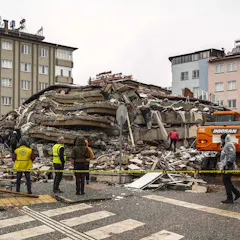
When Monday’s earthquake struck, many poorly constructed buildings suffered a ‘pancake mode’ collapse.
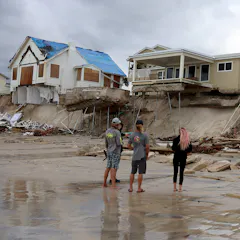
Dozens of homes near Daytona Beach collapsed or were left unstable when Hurricane Nicole struck. Here’s what can be done to reduce that kind of risk.
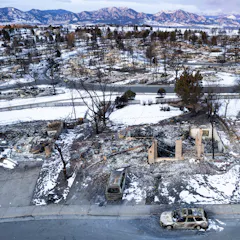
As more people move into high fire-risk areas, an architect explains what to do to keep properties as safe as possible.
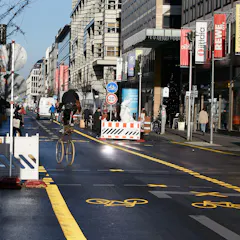
Residents across the world have seen how the pandemic has ushered in changes – shall and big – to the way their cities look and function.
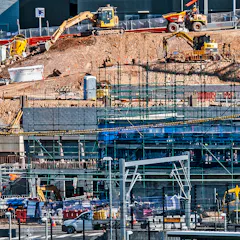
We must take significant and rapid action now, to ensure cities play their part in limiting dangerous global warming and withstand the climate challenges ahead.
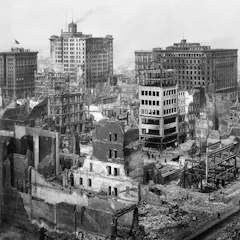
Today’s building codes were implemented as a result of devastating natural disasters that resulted in the loss of human lives and billions of dollars. But they aren’t retroactively applied.
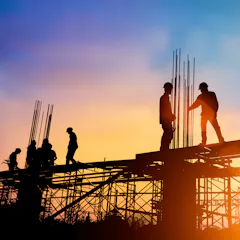
A suite of proposed changes to energy efficiency section of the National Construction Code are a good step forward. However, a lot more can be done.
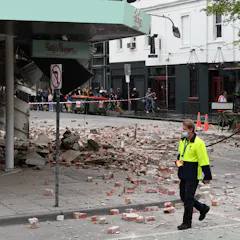
In 1989, Newcastle was hit by Australia’s deadliest earthquake, but high-rise development in the city’s CBD has continued nonetheless. Australia needs a consistent planning code for earthquake risk.

99% of people below the floors where the planes struck the twin towers evacuated successfully, although their journey was fraught with danger. Their stories have influenced today’s skyscraper designs.
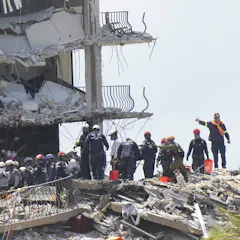
Investigators are searching for what caused the tall apartment building near Miami to suddenly fail. What they find could lead to changes in building codes.
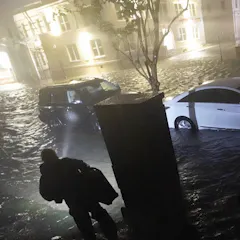
NOAA released its list of climate and weather disasters that cost the nation more than $1 billion each. Like many climate and weather events this past year, it shattered the record.
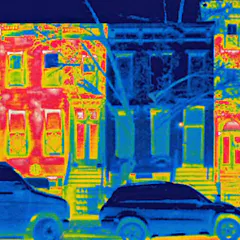
Changes to the way houses and other buildings are constructed could lower energy use and greenhouse gas emissions.
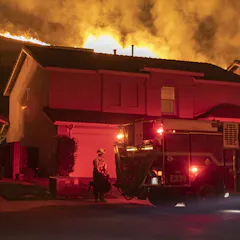
A fire scientist offers a six-point strategy for preventing wildfires and living safely in flammable landscapes.
Top contributors
-

Associate Professor, School of Architecture and Built Environment, University of Newcastle
-
Lillian Gilbreth Postdoctoral Fellow, Purdue University
-
Adjunct Professor of Architecture, University of Technology Sydney
-
Professor of Civil, Environmental and Ecological Engineering, Purdue University
-
Adjunct Senior Lecturer, School of Architecture and Built Environment, University of Newcastle
-
Deputy Head of School, School of Architecture and Built Environment, University of Newcastle
-
Associate Professor of Civil Engineering, University of Virginia
-
Associate Professor of Architecture, Oklahoma State University
-
Principal Research Fellow, School of Engineering, RMIT University
-
Associate Professor in Housing, School of Property, Construction and Project Management, RMIT University
-
PhD Student in Mechanical Engineering, The University of Texas at Austin
-
Senior DECRA Research Fellow, The University of Melbourne
-
Professor Emeritus of Architecture and Interior Design, Miami University
-
Assisant Professor of Landscape Architecture and Director, Green Infrastructure Performance Lab, Dalhousie University
-
Assistant Professor, Disaster Research Center, University of Delaware