

Eating disorders in teens are common and dangerous, and parents and loved ones play a crucial role in helping to both identify concerning behaviors and promote healthy ones.
Articles on Bulimia nervosa
Displaying all articles
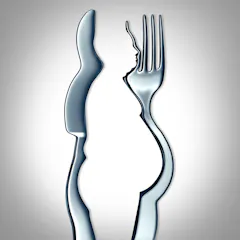
Older adults find it hard to get help for eating disorders.
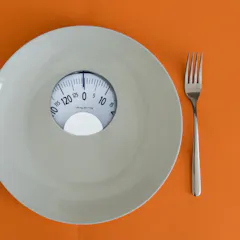
Eating disorders are often misunderstood, but earlier treatment improves outcomes. Let’s dispel some myths, learn how to recognize eating disorders and what to do if someone you love is struggling.

Boys, LGBTQ youth and people with normal body mass index are often overlooked when it comes to recognizing eating disorders, a physician and psychotherapist explain.

Data from around the world, including Australia, indicate the pandemic has made things more difficult for people with eating disorders for a variety of reasons.

As Australia considers its next national mental health survey, it’s crucial to include eating disorders. If we don’t have good data on how many people are suffering, we can’t come up with solutions.

Data from England has found no link between increased social media use and a rise in diagnosed eating disorders.

New research has found several physical and mental health indicators that often appear before an eating disorder diagnosis.

Perfectionists have a higher chance of developing bulimia nervosa. Rather than treating symptoms of binge eating and vomiting, therapists should address this underlying personality trait.
Top contributors
-

Senior Research Fellow, The University of Melbourne
-
Clinical Lecturer, University of Manchester
-
Clinical Professor of Public Health and Psychiatry, Swansea University
-
Assistant Professor, Pediatrics, University of Saskatchewan
-
Honorary Research Fellow, Swansea University
-
Principal Research Fellow / Head, Eating Disorders, The University of Melbourne
-
Clinical Psychologist and Professor in the Department of Psychology and Neuroscience, Dalhousie University
-
Professor in Public Health Data Science, Swansea University
-
Assistant Professor of Pediatrics, UMass Chan Medical School
-
Assistant Professor of Pediatrics, University of Virginia
-
Assistant Professor of Pediatrics, University of Virginia
-
Visiting Lecturer, Clinical Psychology, Leeds Beckett University
-
Research Assistant, CASCADE, Cardiff University