
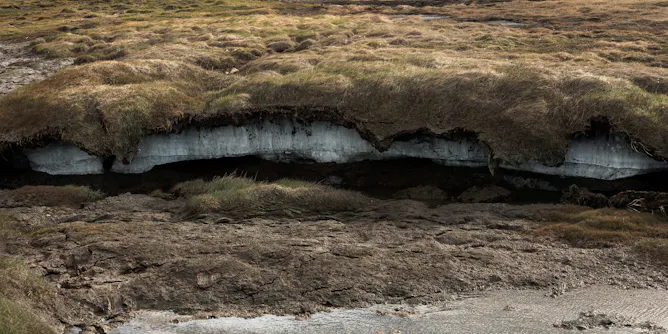
We wanted to find out how much carbon and nitrogen is being released from the northern permafrost. Here’s the region’s first full greenhouse gas budget covering CO₂, methane, and nitrous oxide.
Articles on Carbon dioxide (CO2)
Displaying 41 - 60 of 373 articles

A technique known as “enhanced rock weathering” promises to remove billions of tonnes of carbon dioxide (CO₂) from the atmosphere. But it’s crucial to be able to measure how much CO₂ is captured.
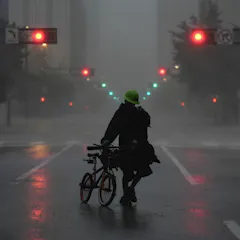
‘Climate scientists’ are often understood as being a block of experts with monolithic beliefs. A new survey sheds considerable nuance onto the beliefs and perceptions of climate scientists.
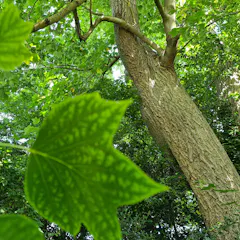
Tulip trees were long renowned for their carbon storage. Their unique wood may be responsible.
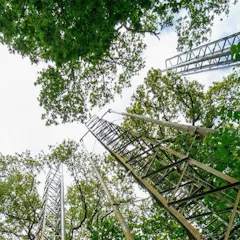
But this is no long-term solution for storing carbon.

Carbon lost during the 2018 fire season in Sweden could take 40 years to return to trees and soil.
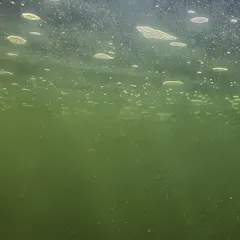
Some plant plankton engage in predatory behaviour and consume bacteria. This can contribute to climate change as these plankton stop photosynthesis in warmer temperatures.
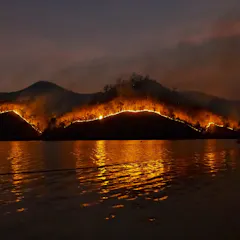
The record-breaking and destructive forest fires of the summer of 2023 made headlines. But how did they affect the millions of lakes in the burned catchment areas?
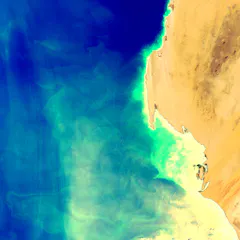
Taking more carbon dioxide out of the atmosphere by stashing it in the ocean seems like a good idea, but it could backfire if tiny marine animals called zooplankton get extra hungry.
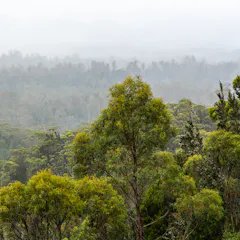
Trees are supposed to grow faster as a result of increased CO₂ in the atmosphere - but this research suggests there are many exceptions to the rule.
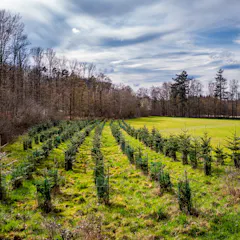
Offsetting greenhouse gas emissions can be an effective tool for limiting global warming. But many offset projects fail to meet their GHG reduction targets.

A new report from the Transport Energy/Emission Research consultancy examines Australia’s New Vehicle Efficiency Standard, finding it was weakened by late changes.
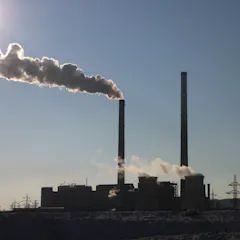
Internal carbon prices – also known as shadow carbon pricing – could prod companies into taking decisions that are good for both business and the planet.
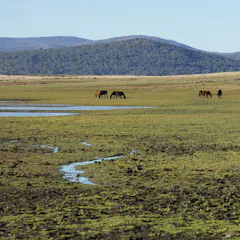
When it comes to storing carbon, alpine peatlands are powerhouses. But feral horse grazing and trampling tips the carbon balance in the other direction. We need to protect and restore our peatlands.
Knowing which parts of Africa best help to store carbon means funding and policy efforts can be directed to protecting and increasing this carbon ‘land sink’.
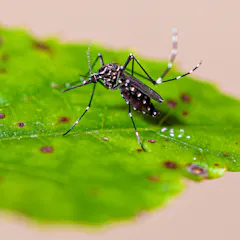
Female mosquitoes don’t want to lay their eggs alone, but they don’t want sites that are too crowded either. Understanding what guides their choice could inform new control strategies.
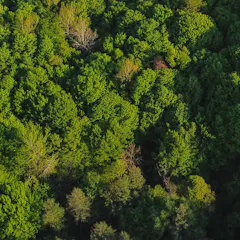
Planting trees to remove carbon from the atmosphere will only be effective alongside other strategies to reduce greenhouse gas emissions.

Technological approaches could help reduce the carbon impact of artificial intelligence systems.
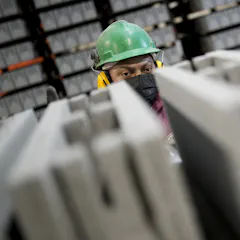
The combination of the source of the CO₂ and its end use determines its environmental and economic benefits or consequences.
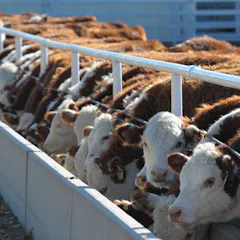
A new way of measuring emissions may let the biggest polluters evade their responsibility to tackle climate change.
Top contributors
-

Chief Research Scientist, CSIRO Environment; Executive Director, Global Carbon Project, CSIRO
-
Research Group Leader, CSIRO
-
Royal Society Research Professor of Climate Change Science, University of East Anglia
-
Honorary Fellow, CSIRO
-
Senior Researcher, Center for International Climate and Environment Research - Oslo
-
Senior Researcher, Center for International Climate and Environment Research - Oslo
-
Professor, Department of Earth System Science, and Chair of the Global Carbon Project, Stanford University
-
Chair, Mathematical Modelling of Climate, University of Exeter
-
Professor and Climate Scientist, Department of Geography, Planning and Environment, Concordia University
-
Professor of Chemical Engineering and Chemistry, University of Sheffield
-
Professor of Atmospheric Sciences, Climate Change Research Centre, UNSW
-
CO2Chem Network Manager, University of Sheffield
-
Senior Research Scientist, CSIRO
-
Head of Atmospheric, Oceanic and Planetary Physics, University of Oxford
-
Géochimiste, chargé de recherche CNRS au Centre de recherches pétrographiques et géochimiques de Nancy, Université de Lorraine