

When state health departments, federal health agencies and medical societies diverge, how is an ordinary person supposed to know whom to trust?
Articles on Centers for Disease Control and Prevention (CDC)
Displaying 1 - 20 of 156 articles
Amid multiple disease outbreaks and intense political pressures, Director Erica Schwartz will need to defend scientific independence.
By interfering with how communities collect data and how researchers access it, the CDC risks undermining the hard-won trust needed for effective public health.
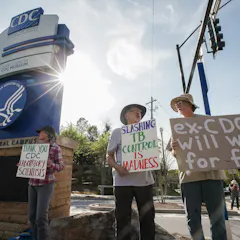
In a survey of more than 600 CDC workers, 99% said the Trump administration’s cuts to the agency have made it less able to protect the public’s health.

Respiratory diseases like measles and flu pose a much bigger threat to public health for the World Cup than does Ebola.
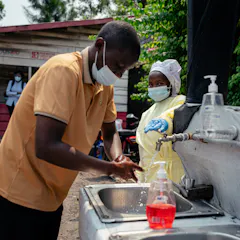
Tests for Ebola don’t detect this strain, so it took the WHO extra time to confirm the cause of the outbreak.

Hantavirus cases are usually rare, but the strain in the outbreak is the only one thought to be transmitted from person to person.

As rotavirus spreads this season, doctors worry that falling vaccination rates may endanger kids.

An enduring sense of ownership led businesses and citizens to defend the country’s public health system.
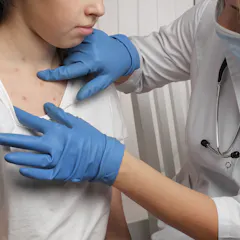
Controlling the spread of many infections, including measles, depends on trust in public health, which is eroding.
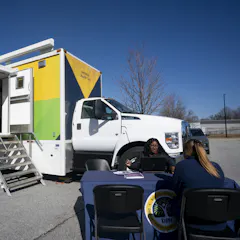
Public health depends on long-term planning, and when that planning is interrupted, some programs never recover.
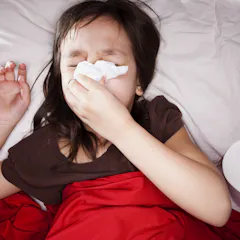
A particularly infectious subvariant of influenza is keeping emergency room numbers high and causing especially severe illness in children.

The 2025-26 ‘super’ flu can come with vomiting and diarrhea, alongside the more typical aches and pains of flu.
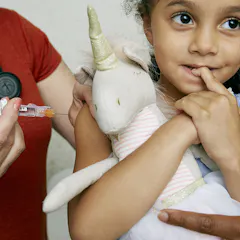
Doctor’s visits are already rushed. Adding extra steps means some children, especially those from low-income families, simply won’t get the vaccines they should.
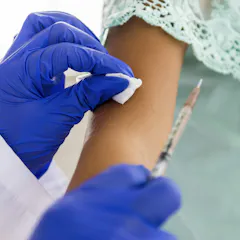
In an unprecedented move, health officials cut the number of vaccines routinely recommended for children from 17 to 11.

Federal officials are questioning the safety of the vaccine series children receive. Here’s the story of how the childhood vaccine schedule came about.

The decision undoes a highly effective 34-year prevention strategy that has nearly eliminated early childhood hepatitis B infections in the U.S.

Preventable injuries and deaths kill more Americans in the first half of life than any other cause, including cancer. Yet the programs aimed at addressing them have been gutted by CDC layoffs.

Despite some confusion around changing vaccine guidelines, the CDC still recommends an annual flu shot for everyone 6 months and older.
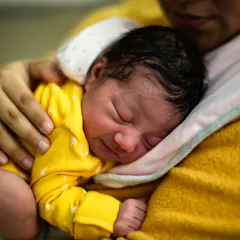
Before universal vaccination for hepatitis B began in 1991, 18,000 children contracted the virus by age 10 each year, and most of them developed chronic illness and liver damage. Vaccination reduced those infections by 95%.
Top contributors
-

Assistant Professor of Pediatrics, University of Colorado Anschutz
-
Regents' Professor & Chair, Medical Laboratory Science, Texas State University
-
Professor of Medicine, University of Virginia
-
Teaching Professor of Public Health, Arizona State University
-
Associate Professor of Public Health, The Ohio State University
-
Adjunct Associate Professor of Epidemiology, University of California, Los Angeles
-
Instructor of Human Immunology, Emory University
-
Assistant Professor of Law and Director of the Medical-Legal Partnership Clinic, University of Memphis
-
Associate Professor of Medicine and Geriatrics, University of Virginia
-
Assistant Research Scientist, University of Michigan
-
Vice Provost for Faculty Affairs and Professor of Statistics, Virginia Tech
-
Clinical Associate Professor of Infectious Diseases, Stanford University
-
Clinical Assistant Professor of Nursing, Purdue University
-
Adjunct Professor of Epidemiology, University of Texas Health Science Center at Houston
-
Research Assistant Professor at the Institute for Social Research, University of Michigan