

Research shows that humans are susceptible to simple stories and biased toward arguments that fit their current perspectives. Here’s how to confront those tendencies.
Articles on Character virtue
Displaying 1 - 20 of 47 articles

Struggling to feel grateful? Try thinking differently about what caused the person’s actions.

An ethicist who studies disagreement and civility assumed she could handle a neighborly dispute – until the neighbor refused to even interact with her.

Before asking whether inclusion is good for business, we should ask whether it is the right thing to do, two scholars argue.

Practicing existential humility means learning to live with the natural tension between our desires for certainty and curiosity.

For the Greeks, sophrosyne was an ideal second to none. It’s just as important today, in an age of internet addiction and misinformation – but harder to come by.

Patience is a virtue that researchers have linked to many parts of well-being. But it’s also something that needs a bit of practice and training – and can be undermined by instant, easy gratification.

Young people don’t all contribute in the same way, and understanding the broader picture is the starting point for adults who want to support them.

Democracy cannot thrive, or even survive, when its leaders see themselves as godlike and divide citizens into believers and heretics, a scholar writes.

Courage is widely considered a fundamental human virtue. A professor of psychology and a university president break down the components of courageous action.

It may seem like a paradox, but it takes good friends for someone to really understand themselves – and grow in virtue, as Aristotle argued.

A scholar who studies the virtues that help people sustain relationships across faiths and cultures describes what being a child during the war taught him about practicing pluralism in action.

Scores are ubiquitous today, from data in parenting apps to fitness monitors. For some users, those scores start to shape a sense of right and wrong.

While rationalizing deception is easy to do, developing the virtue of truthfulness is not.

The ancient Greek word phronesis means practical wisdom. It’s about choosing the right action at the right time for the right reasons, helping you apply the other virtues correctly.

Contemporary culture seems obsessed with authenticity – but the question of how to be ‘sincere’ in modern society has troubled philosophers for centuries.

Heroes take a personal risk for the common good. Some people may just be born with the personality traits of a hero – but anyone can get ready to act heroically.

The word ‘meekness’ might seem old-fashioned – and not a positive trait. But understanding its original meaning can identify an important virtue.
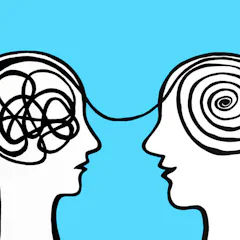
Seeing someone charitably requires a balancing act between taking them seriously and trying to see the good in them.

Humility is a virtue that many people admire but far fewer practice. A scholar describes how a professional crisis made him look inward and rethink his concept of success.
Top contributors
-

Assistant Teaching Professor of Philosophy, Missouri University of Science and Technology
-
Research and Assessment Scholar, Wake Forest University
-
Postdoctoral Fellow and Visiting Assistant Professor of Government, Hamilton College
-
Professor of Philosophy, USC Dornsife College of Letters, Arts and Sciences
-
Assistant Professor of Psychological Science, Boise State University
-
Associate Director of the Huntington-USC Institute on California and The West, USC Dornsife College of Letters, Arts and Sciences
-
Assistant Professor of Social Psychology, University of Utah
-
Associate Professor of Psychology, Arizona State University
-
Professor of Economics and Environmental Studies, Wesleyan University
-
Professor of History, USC Dornsife College of Letters, Arts and Sciences
-
Associate Professor Emeritus of Management, Binghamton University, State University of New York
-
Lecturer of Public Administration and Policy, Binghamton University, State University of New York
-
Research Associate Professor of Nursing and Health Innovation, Arizona State University
-
Distinguished Professor of Counselor Education, University of Mississippi
-
Assistant Professor of Psychology, Arizona State University