

A gas crisis could challenge Europe next winter if its gas reserves are not replenished. The phaseout of Russian gas and LNG by late 2027 is a major part of the EU’s gas diversification strategy but it exposes the continent to price volatility.
Articles on Clean energy
Displaying 21 - 40 of 240 articles
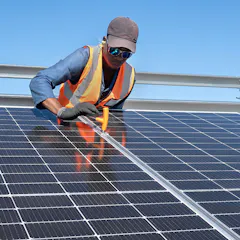
A just transition to a green economy with broad growth in employment will require deliberate efforts.
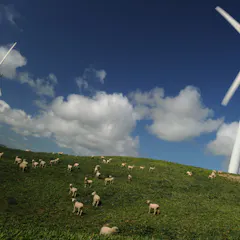
Even as the US steps back from Paris and New Zealand flirts with imported gas, the global energy transition is gathering speed.
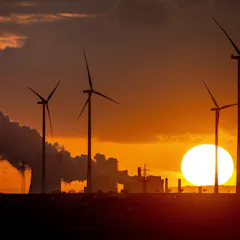
Yes, climate change is worsening and action is uneven. But the shift away from fossil fuels is beginning.

To be inclusive and impactful, energy transition policies need to be co-created with the communities and workers who run Canada’s energy industries.
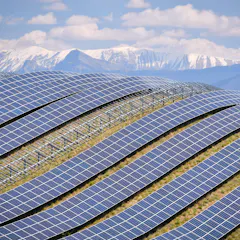
While wind and solar energy led in investments globally, liquefied natural gas is also booming. A former climate envoy for Germany explains what’s coming and the countries to watch.
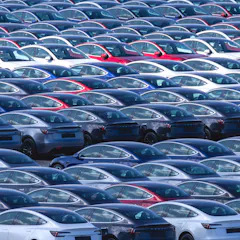
A ‘bidirectional charging’ EV trial is under way that, in years to come, could help solve the UK’s energy conundrum.

Early warnings about the Cheaper Home Batteries Program have come true. But there are ways to fix it.
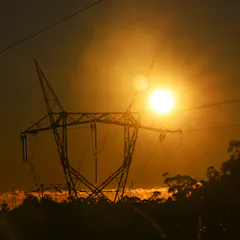
Australia’s renewable boom has created a new bottleneck: grid access. As new transmission line costs blow out amid protests, we need to optimise the build.
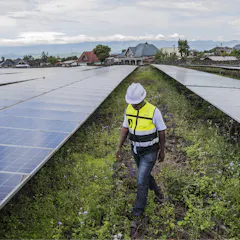
Politics is just one challenge. The cost of borrowing to build wind and solar farms is another, especially in fast-growing developing countries. There are solutions.
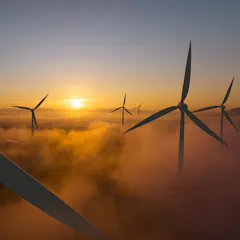
Welcome to the age of competitive decarbonisation.
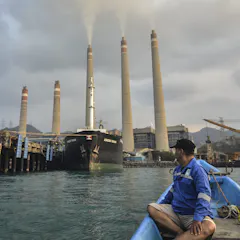
Nearly a third of all countries worldwide have pledged to phase out their unabated coal-burning power. But China and India are still adding coal plants – for now.

Nearly two-thirds of Australian towns have no public EV charger within 5 km – and that’s just the start of the gap.

Snowy 2.0 will bring something genuinely new to Australia’s electricity system: large and long lasting energy storage

As China secures its role in clean tech exports, the US is doubling down on fossil fuels – and pushing allies to buy US gas.
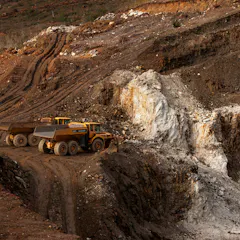
Global energy giants are turning their focus to critical minerals. With such deep-pocketed players, Australia must invest heavily if it wants to stay in the race.
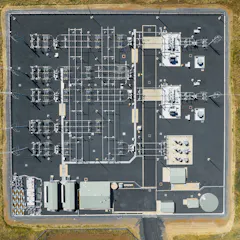
Australia could be a global champion for sustainable data centre growth.
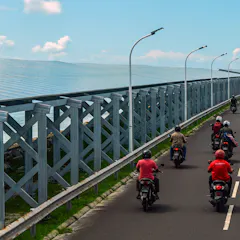
Even as clean energy progress slows in the US and EU, developing nations such as Bhutan, Nepal, Sri Lanka and the Maldives are surging ahead.
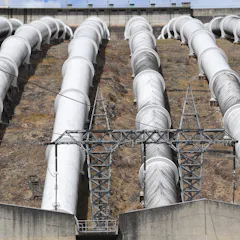
As the cost of Snowy 2.0 rises yet again, defenders claim the scheme can store energy cheaper than batteries. But this doesn’t stack up.

An equitable net-zero transition requires promoting regional competitiveness while ensuring no place is left behind.
Top contributors
-

Research Associate, Institute for Climate Risk and Response, UNSW
-
Senior Fellow in Energy and Climate Change, Grattan Institute
-
Professor, School of Economics, The University of Queensland
-
Professor of Engineering, Australian National University
-
Professor, Australian and Aboriginal History, Faculty of Arts, Design and Architecture, Convenor: Indigenous Land & Justice Research Group, UNSW
-
Professor and Director, Victoria Energy Policy Centre, Victoria University
-
Professor of Civil and Environmental Engineering, Rice University
-
Professor of Mechanical Engineering, UMass Amherst
-
Research Principal, Institute for Sustainable Futures, University of Technology Sydney
-
Climateworks Centre CEO, Monash University
-
Senior research fellow, Australian National University
-
Professor, Crawford School of Public Policy and Director, Centre for Climate and Energy Policy, Australian National University
-
Senior Industry Fellow, Environment and Planning, RMIT University
-
Research Fellow, Australian National University
-
Professor of Law, Deakin University