

How a bedbound patient and a 73-page study changed the way doctors make decisions.
Articles on Clinical trials
Displaying 1 - 20 of 224 articles
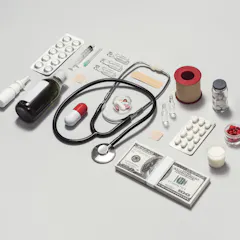
Some industry-funded clinical trials show signs of being designed to market drugs rather than to test them for their safety and effectiveness. Detecting these studies remains difficult.
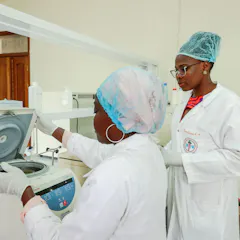
While Africa accounts for roughly 25% of the global disease burden, its people are largely invisible in randomised controlled trials.

The placebo effect is more than just mental – it’s a biological system that can measurably improve a patient’s symptoms. But someone else needs to activate it – creating a risk of manipulation.

New research could allow health care providers to identify and treat patients at risk for rheumatoid arthritis before the disease progresses.

If you see a health claim that seems too good – or too bad – to be true, take a moment to step back and assess the evidence.
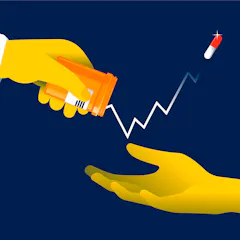
By extending their monopoly on a drug, companies prevent generics and other competitors from driving down prices. But increasing transparency can help prevent Big Pharma from gaming the patent system.

Recent progress in understanding drug safety during pregnancy is at risk due to cuts to medical research funding.

Under the new law, anyone in Montana can legally access drugs that have passed just one phase 1 clinical trial.

A team of researchers discovered that taking omega-3 supplements can reduce the risk of developing type 2 diabetes and cardiovascular disease.

Despite calls from some corners to switch from canola oil and corn oil to beef tallow, the move is unlikely to make Americans healthier.
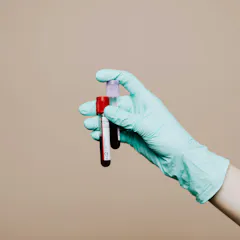
In most cases, leftover pathology samples are thrown away. Sometimes though, they may be used again for other purposes, including research.

Researchers have applied AI to every step of the drug development process. But this might not be enough to design safe and effective drugs.
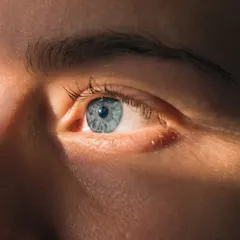
We can already tinker with human DNA to treat diseases. But being able to edit RNA allows for even more precision – and fewer risks.
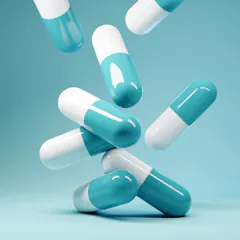
Since the 1980s very few antibiotics have been approved. One of the reasons is that there is not enough investment in the sector.

Clinical trials look promising, and if these drugs are approved, would change how we manage high blood pressure. But there’s much we don’t know about these injectables.
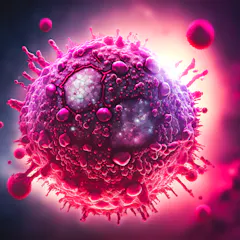
A breakthrough drug is a significant step forward in the fight against HIV. But without changes in behaviour, infection rates won’t come down.
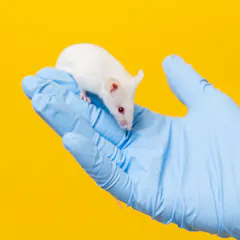
Here’s why so few drug candidates in animal trials end up as human therapies.

Diabetes trials are leaving out people who are most affected by diabetes, which creates a series of problems include the greater likelihood of missing rare and potentially dangerous side effects.

The science linking obesity to dementia is complicated - here’s why
Top contributors
-

Professor and Director of the Stoneygate Centre for Excellence in Empathic Healthcare, University of Leicester
-
Professor of Pharmaceutical Chemistry, Macquarie University
-
Associate professor, Department of Family and Community Medicine, University of Toronto; York University, Canada; University of Sydney
-
Epidemiologist, Cochrane
-
Head of School and Dean of Pharmacy, University of Sydney
-
Professor of medicine, epidemiology & biostatistics, and philosophy, Western University
-
Professor of Immunology, RMIT University
-
Professor of Biostatistics and Epidemiology, Adelaide University
-
Distinguished Professor of Pharmacy Practice, University of Connecticut
-
Senior Lecturer Biostatistics and Data Management, The University of Queensland
-
Membre du comité d'éthique de l'Inserm, Inserm
-
Biostatistician, The University of Melbourne
-
Professor of Bioethics & Medicine, Sydney Health Ethics, Haematologist/BMT Physician, Royal North Shore Hospital and Director, Praxis Australia, University of Sydney
-
Professor of Law, Villanova University
-
Professor, UNSW