
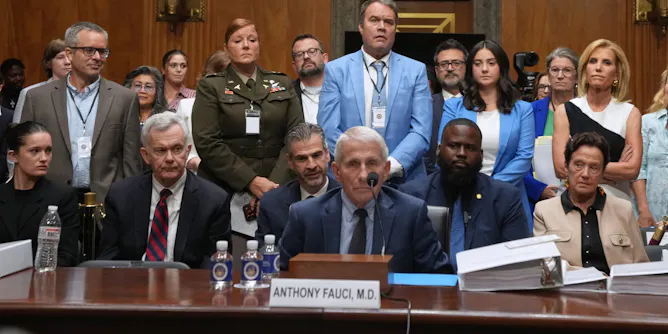
Conspiracy theories don’t just explain events – they identify villains, and Fauci is among the most popular.
Articles on Conspiracies
Displaying all articles

Conversations around misinformation that assume everyone cares about literal truth may be missing the point.
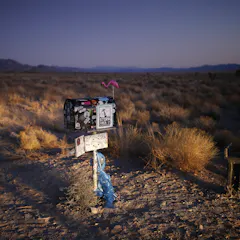
Though paranormal theories are at odds with modern science, adherents have often tried to prove their beliefs with sciencelike methods.

We monitored social media users’ reactions to the fake election bomb threats. The conspiracies emerging paint a bleak picture for democracy.

Rumours and gossip swirled around medieval England whenever there was societal unrest.

The pros and pitfalls of this type of thinking
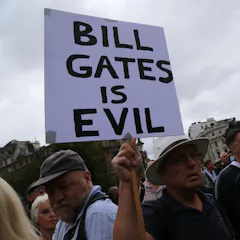
Being smart won’t protect you from falling down conspiracy rabbit holes.

We’ve spent ages learning about the people who think they’ve come from another planet, so you don’t have to.
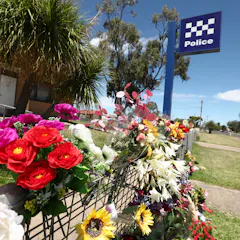
Conspiracy beliefs can be motivators for actual or attempted violence against specific people, places, and organisations. What should, and shouldn’t, police do to counter them?

The new ‘docuseries’ makes grand claims about our ice age ancestors. Here’s why you should proceed with caution.
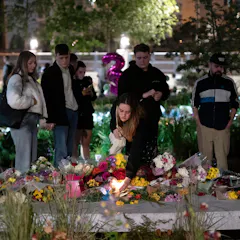
One in seven respondents believed the victims of the Manchester terrorist attack were ‘crisis actors’.
Conspiracy theories help people make sense of chaos and tragedy by finding a ‘reason’ behind the coincidences.
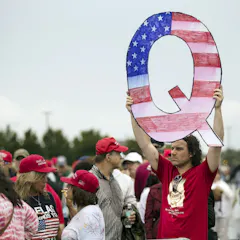
Overcoming conspiracy theories isn’t just about information. A scholar of religion explains that the emotions they inspire are part of their appeal.
Google, Facebook, TikTok and Twitter have all agreed to a voluntary code of conduct targeting misinformation. But the only real commitment is to appear as though they’re taking action.
Top contributors
-

Senior Lecturer in Psychology, Nottingham Trent University
-
Lecturer in History, University of Winchester
-
Senior Lecturer in History, University of Winchester
-
Professor of Public Policy and Director of the Policy Institute, King's College London
-
Professor in Applied Cognitive Psychology, Manchester Metropolitan University
-
Associate Professor of Religious Studies, University of Pennsylvania
-
Marie-Sklowdowska Curie Research Fellow, School of History, Archaeology and Religion, Cardiff University
-
Lecturer in Policing and Emergency Management, University of Tasmania
-
PhD candidate, School of English, University of Nottingham
-
Senior Lecturer and Researcher in Cognitive and Parapsychology, Manchester Metropolitan University
-
PhD Candidate, Digital Media Research Centre, Queensland University of Technology
-
PhD Candidate, Digital Publics Program, Queensland University of Technology
-
Associate Teaching Professor of Anthropology, Miami University
-
Associate Professor of Sociology, University of Dayton
-
Senior lecturer in Psychology, Liverpool John Moores University