

In the second half of 2025 influenza killed more Australians a month than COVID. Here’s how it happened.
Articles on COVID-19
Displaying 21 - 40 of 8247 articles
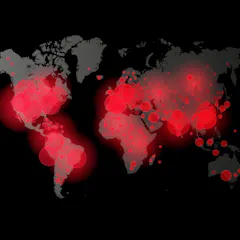
Global health funding cracks do not bode well for pandemic governance as recent disease outbreaks are reminding us. What does this mean for developing countries and how do they cope with health emergencies?
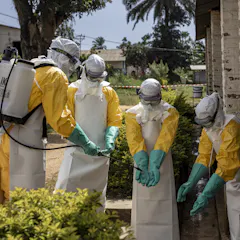
Geography may not provide meaningful protection once an outbreak is already underway.
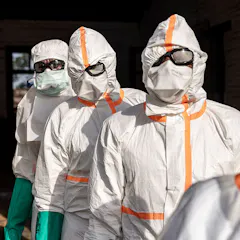
The steps set out in the report on global pandemic preparedness are vitally important for managing future outbreaks.

New research has found why so many Australians no longer trust police. There are solutions, though.
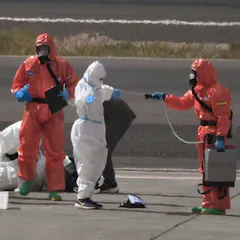
Recent outbreaks of Hantavirus and Ebolavirus raise concerns about risks linked to travel, with responses varying between countries. COVID-19 offers lessons for effective approaches to public health.

The US lacks the capacity to treat long COVID, and HHS defunding is taking the country further away from being able to handle the country’s growing number of long COVID cases.
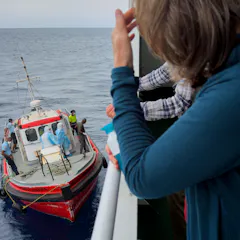
To stop the spread of infectious diseases, governments need information and other resources that countries around the globe share through international organizations.
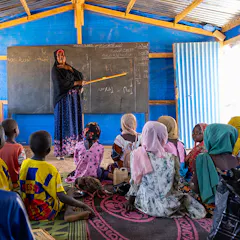
Eroding the gains made in education has severe consequences, especially for girls.

From the Black Death to the COVID-19 pandemic, combining the genetic data of a pathogen with historical records, archaeological artifacts and epidemiological studies can uncover its origins.

A virus doesn’t become a pandemic simply because it’s deadly.

A historic drop in violent crime, including the murder rate, is at risk after the cancellation of federal funding for programs that helped make the decline possible.

Homeschooling trends are on the rise, bucking the narrative that most of its growth was caused by the pandemic.
Disease outbreaks can make women and girls especially vulnerable to violence, but health surveillance systems do a poor job tracking these trends.

The COVID-19 pandemic exposed and intensified an already disproportionate burden of caregiving, emotional labour and financial inequality by women — a burden that remains largely invisible.

First-trimester screening and intervention has the greatest potential to prevent maternal syphilis. But 1 in 4 pregnant people do not have access to prenatal care during the first trimester.

The US military helped create the first flu vaccine to keep service members in action – and the logic for requiring vaccination has not changed.

New RSV tools can prevent infant hospitalizations, but access varies by province. Who is responsible for ensuring vaccine equity across Canada?

School boards have gained attention for taking on controversial issues, such as transgender students participating in sports, but much of their work is administrative.

As the number of people living with long COVID continues to grow, understanding its broader health consequences will be essential.
Top contributors
-

Professorial Fellow, University of Canberra
-
Associate Professor, Epidemiology, Deakin University
-
Professor of Global Biosecurity, NHMRC L3 Research Fellow, Head, Biosecurity Program, Kirby Institute, UNSW
-
Professor of Biostatistics and Epidemiology, Adelaide University
-
Scientia Professor of Economics, UNSW
-
Chair in Epidemiology, Deakin University
-
Honorary Enterprise Professor, School of Population and Global Health, and Department of General Practice and Primary Care, The University of Melbourne
-
Senior Research Fellow in Global Health, University of Southampton
-
Dean Faculty of Health Sciences and Professor of Vaccinology at University of the Witwatersrand; and Director of the SAMRC Vaccines and Infectious Diseases Analytics Research Unit, University of the Witwatersrand
-
Visiting Fellow, Crawford School of Public Policy, Australian National University
-
Professor of Medicine, University of East Anglia
-
Professor, School of Population Health, UNSW
-
Professor of Public Health, University of Sheffield
-
Associate Professor of Bioethics, University of Portsmouth
-
Professor of Medicine, University of Virginia