
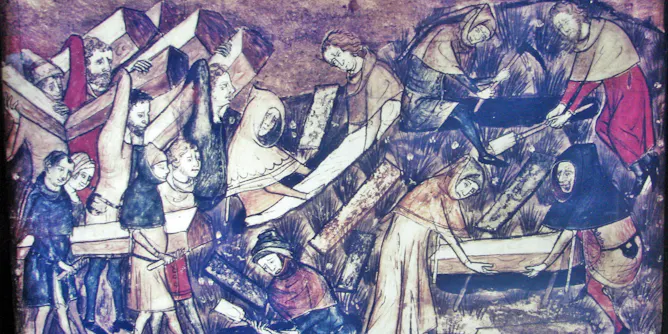
A look back at history can help us consider the economic effects of public health emergencies and how best to manage them.
Articles on COVID-19
Displaying 8161 - 8180 of 8247 articles

Local residents’ committees control urban governance in China, meaning lockdown measures do not feel imposed from outside.
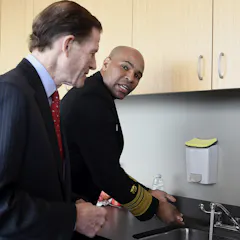
As the coronavirus spreads, public health officials stress the importance of hand washing. But can it really make that much of a difference? A microbiologist explains why.
An epidemiologist explains the differences and similarities between COVID-19 and the seasonal flu.
Machine learning technology was first to sound the alarm about the new coronavirus. Its success illustrates how AI is boosting epidemiology.

COVID-19 has now been confirmed in New Zealand in one case, but as yet, there is no evidence of transmission to others. Pandemic planning is focused on keeping the novel coronavirus out.
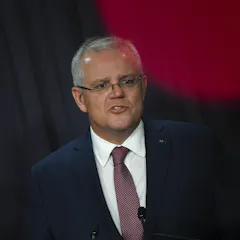
Never has a virus featured so prominently in a Reserve Bank statement.
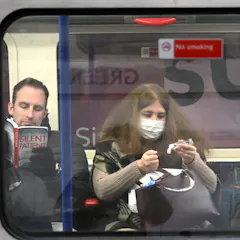
The same techniques used to model the SARS pandemic for the World Health Organisation produce results ranging from bad to catastrophic.

Children who get the coronavirus often show mild symptoms and some have none at all. But they can still carry and transmit the virus.

It is now legal in England to isolate people against their wishes to prevent the spread of coronavirus.
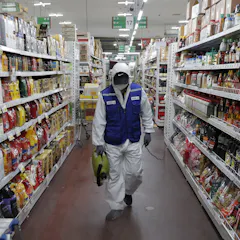
Unemployment insurance could soften the blow if the COVID-19 outbreak takes hold in the US. But the system currently isn’t designed to help workers in a pandemic.

The coronavirus has moved to a new stage in Australia, with the first two cases of local transmission of the disease, affecting the economy, and inspiring legislative action.

With skill and support where needed, the government can get us through this, but it’ll be the biggest challenge since the global financial crisis.
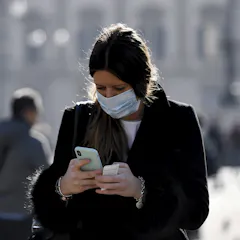
By providing users with pertinent and reliable disaster-related information, Twitter has the potential to reduce the impact of a disaster. So why aren’t public organizations using it properly?

Conspiracy theories bloom in times of uncertainty and foster distrust of medical authorities.
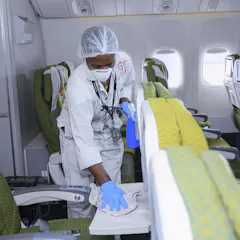
A key component of how the coronavirus could be spreading is the environment.

There are three phases to Australia’s response plan. The ‘Initial Action’ stage, the ‘Targeted Action’ stage, and finally, the ‘Standdown’ stage. Right now, we’re in the first.
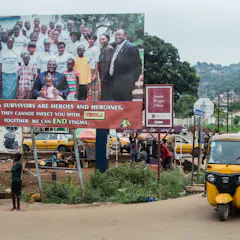
Experiences dealing with previous outbreaks of infectious disease can help countries with weak health systems prepare for new health emergencies.

The ongoing quarantine and travel disruptions facing cruise ships are the latest in a long history of health outbreaks they’ve had to contend with.
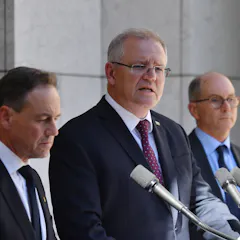
The federal government has activated its emergency response plan to deal with a spread of the coronavirus locally, in anticipation of it becoming a “pandemic”.
Top contributors
-

Professorial Fellow, University of Canberra
-
Associate Professor, Epidemiology, Deakin University
-
Professor of Global Biosecurity, NHMRC L3 Research Fellow, Head, Biosecurity Program, Kirby Institute, UNSW
-
Professor of Biostatistics and Epidemiology, Adelaide University
-
Scientia Professor of Economics, UNSW
-
Chair in Epidemiology, Deakin University
-
Honorary Enterprise Professor, School of Population and Global Health, and Department of General Practice and Primary Care, The University of Melbourne
-
Visiting Fellow, Crawford School of Public Policy, Australian National University
-
Dean Faculty of Health Sciences and Professor of Vaccinology at University of the Witwatersrand; and Director of the SAMRC Vaccines and Infectious Diseases Analytics Research Unit, University of the Witwatersrand
-
Senior Research Fellow in Global Health, University of Southampton
-
Professor of Medicine, University of East Anglia
-
Professor, School of Population Health, UNSW
-
Associate Professor and Research Leader in Virology and Infectious Disease, Griffith University
-
Professor of Medicine, University of Virginia
-
Associate Professor of Bioethics, University of Portsmouth