

The finding highlights the amazing diversity present across dog breeds.
Articles on Coyotes
Displaying 1 - 20 of 22 articles

India’s street dogs — like urban coyotes in Canada — reveal how deeply human and animal worlds are intertwined.

Unhoused people face the risk of contracting disease from wild animals, while animals can be displaced by human presence.
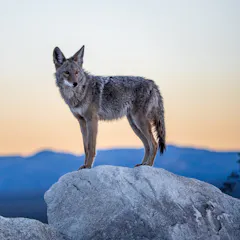
Wolves and coyotes feed on similar things – but their diets aren’t identical. A researcher studied predator diets to investigate their differences.
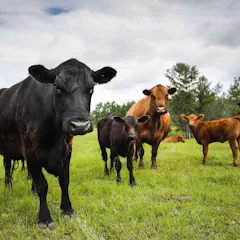
It’s important to design public awareness campaigns that illuminate the richness of animal lives by directing attention to actual animal agency rather than to the human abusers of animals.
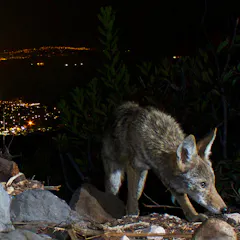
Setting guidelines for human coexistence with carnivores usually falls to local community leaders. An expert explains why the federal government should step in.
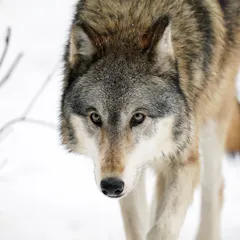
Reintroducing wolves can restore important ecological processes, but it can have unintended effects when smaller predators like coyotes are driven closer to people, a team of ecologists found.

Animals and plants living in cities are more likely to thrive when they are able to quickly adapt to urban conditions.
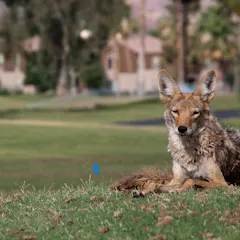
Urban coyotes prey on rodents and spread plant seeds. It’s OK to observe them from a distance, but then you should chase them off.
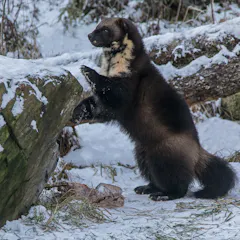
The key to protecting wolverines around the world is to reduce trapping, minimize predator control pressures, and to protect and connect large blocks of intact habitat they need to survive.
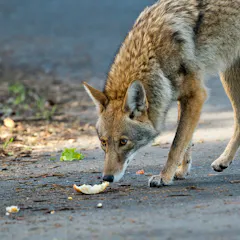
Coyotes are not, by nature, aggressive. But there is a pervasive myth that they are likely to attack unwarranted, and this belief is dangerous to the animals.

Removing trees killed by fires can have long-term consequences for wildlife.
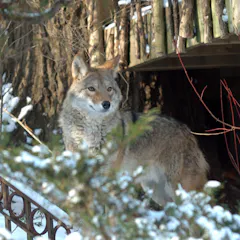
Lethal methods and relocation aren’t effective, sustainable or humane approaches to human-wildlife conflicts.
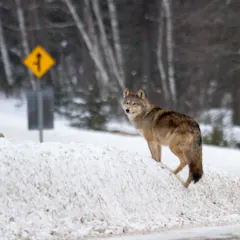
A recovery plan for the threatened Algonquin wolf should have been in place two years ago. Recent amendments to the Endangered Species Act mean the Algonquin wolf faces an uncertain future.
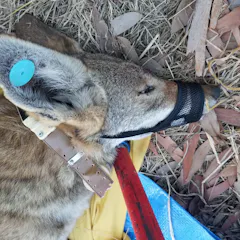
Biologists capture and collar coyotes in urban Los Angeles in order to study the effectiveness of ‘hazing’ as a wildlife management tool.
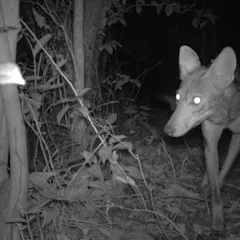
Coyotes, whose range is expanding, are now at the doorstep of South America.
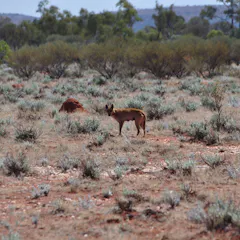
An attack on a WA mine worker has highlighted the danger of wild dingoes, particularly when attracted by humans’ food - one of the factors that can make an attack by wild predators much more likely.

When humans have conflicts with wildlife, the first reaction is often to cull them. But there’s little evidence to show that it works, and removing predators can even backfire and make things worse.
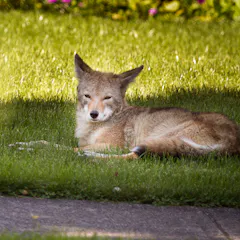
A parasite found in coyotes, wolves and foxes is now spreading to dogs and their owners as its range expands across Canada.
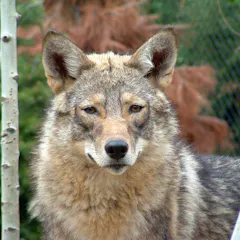
A wildlife biologist argues that the canid in eastern North America – known as the eastern coyote, or the coywolf by some – deserves to be classified as a separate species.
Top contributors
-

Research Professor at NCSU and Scientist at NC Museum of Natural Sciences, North Carolina State University
-
Professor in Wildlife Ecology and Conservation, School of Life & Environmental Sciences, Deakin University
-
Wildlife Biologist, Clark University
-
Canada Research Professor, Conservation Physiology, Carleton University
-
Associate Professor of History, Geography and Environmental Studies, University of California, Santa Barbara
-
Professor, Murdoch University
-
PhD Candidate, Carleton University
-
Adjunct Assistant Professor, University of Miami
-
Associate Professor of Behavioural Ecology, Curtin University
-
Human-Wildlife Interactions Advisor, University of California, Division of Agriculture and Natural Resources
-
Professor, Geography, University of Calgary
-
Professor of Life Sciences Communication, University of Wisconsin-Madison
-
Postdoctoral research fellow, Biology, Concordia University
-
Research Fellow in Pyrogeography, University of Tasmania
-
Research Fellow, Animal Law and Policy Program, Harvard University