
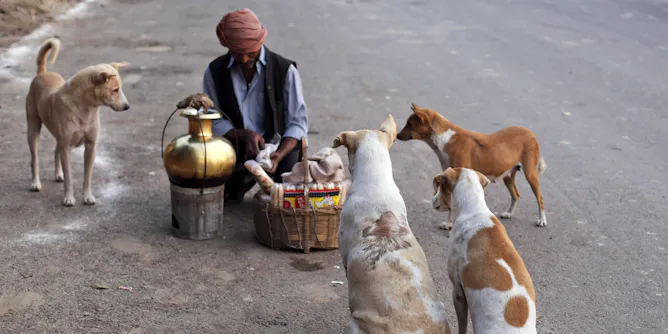
India’s street dogs — like urban coyotes in Canada — reveal how deeply human and animal worlds are intertwined.
Articles on Urban wildlife
Displaying 1 - 20 of 91 articles

Unhoused people face the risk of contracting disease from wild animals, while animals can be displaced by human presence.
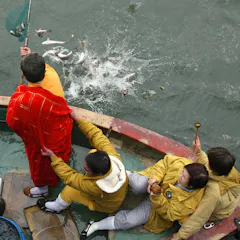
Humans change the urban landscape with religious, cultural and political activities, which in turn can influence the evolution of urban animals and plants.
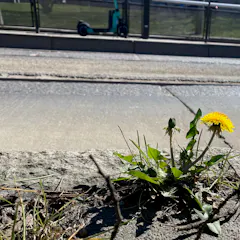
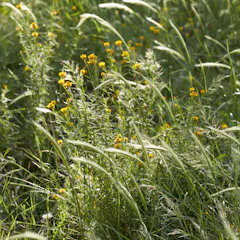
Here’s why those little yellow flowers are everywhere you look.

A series of surveys in the months and years after the devastating blaze near Boulder revealed continuing health concerns in surviving buildings, and tips for how to clean up smoke-damaged homes.
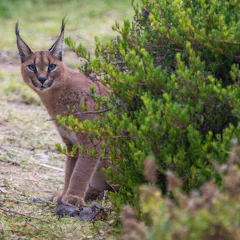
Social media is an effective way to raise conservation awareness about wildlife living on the urban edges.
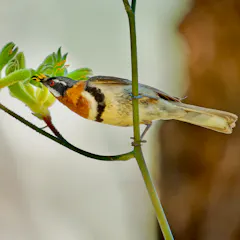
Months of hot and dry weather, with only 23mm of rain recorded over seven months, drove some species to seek food and water in the city.
A project in Melbourne’s Royal Park has proved city parks and streets can be used as sites for nature repair that help endangered ecosystems and species to survive.
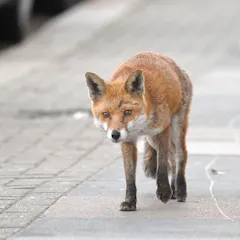
A recent study tested whether messages about bolder urban foxes are biasing how people feel about them.
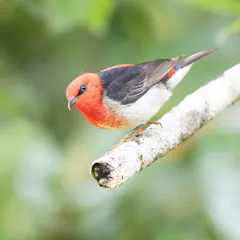
Better urban planning can help stem the loss of birds by protecting and connecting the areas of habitat they need to survive.
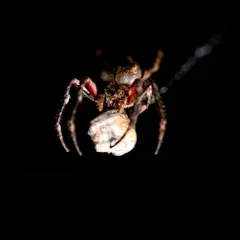
Bright lights at night may alter the brains of nocturnal arachnids, our new study shows. And we’re only just learning what this means for our ecosystems.
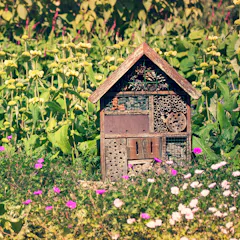
One Garden Against the World is a call to action for anyone interested in gardening, conservation or climate change.
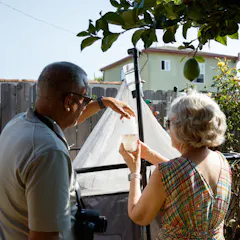
City life can mean lots of pavement and habitat loss. But many bug species are hanging on, especially in neighborhoods with steady temperatures near the mountains.
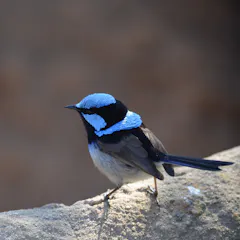
Our cities are full of obstacles and hazards for native wildlife but also contain many valuable patches of habitat. Creating green spaces to connect these patches improves their lives and ours.
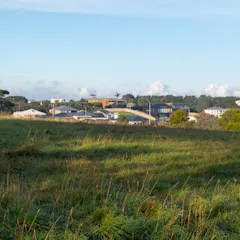
The tangle of greenery along railway lines, flowers growing on vacant lots, or unmown grassy patches under power lines, it turns out people in cities engage with nature in all these spaces.
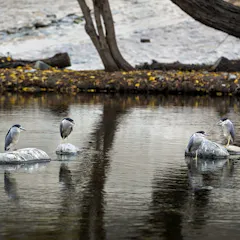
Even in a concrete jungle like Los Angeles, wild species show up in surprising places. New research identifies the types of wildlife that best tolerate urban development.
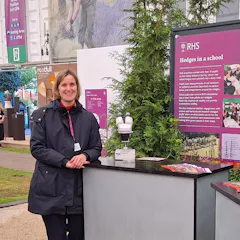
Public engagement through school projects and the RHS Chelsea Flower Show play a vital role in educating the public about the myriad of environmental benefits provided by the humble garden hedge.
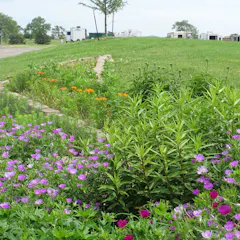
NoMowMay is a catchy concept, but it doesn’t provide the food that native North American pollinators need or lasting support for them.
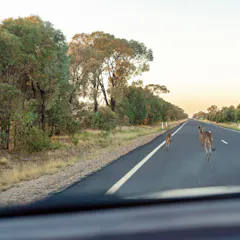
Many measures commonly thought to reduce the toll of animals injured and killed on our roads aren’t effective. But there is evidence to support other solutions.

A new report from the Biodiversity Council reveals the disturbing effects of artificial light on
Australia’s nocturnal animals. Here’s how you can help wildlife at Christmas and all year round.
Top contributors
-

Professor, Urban Ecology and Biodiversity, The University of Melbourne; RMIT University
-
University Fellow in Biodiversity, Charles Darwin University
-
Associate Professor & ARC Industry Fellow, Urban Ecology, Curtin University
-
Senior Lecturer, School of Agriculture, Food and Ecosystem Sciences, The University of Melbourne
-
Professor in Conservation Science, School of Ecosystem and Forest Science, The University of Melbourne
-
Research Fellow, Centre for Urban Research, RMIT University
-
Professor of Wildlife Conservation, Australian National University
-
Senior Research Fellow, RMIT University
-
Associate Research Professor of Wildlife Conservation, Penn State
-
Vice-Chancellor's Research Fellow, Centre for Urban Research, RMIT University
-
Assistant Professor, Faculty of Health Sciences; Senior Scientist, Pacific Institute on Pathogens, Pandemics and Society, Simon Fraser University
-
Professor, School of Life and Environmental Sciences, University of Sydney
-
Senior Lecturer in Conservation Ecology & Genetics, University of Cape Town
-
Adjunct Lecturer/ Ecologist, University of New England
-
Professor of Conservation Biology, Charles Darwin University