
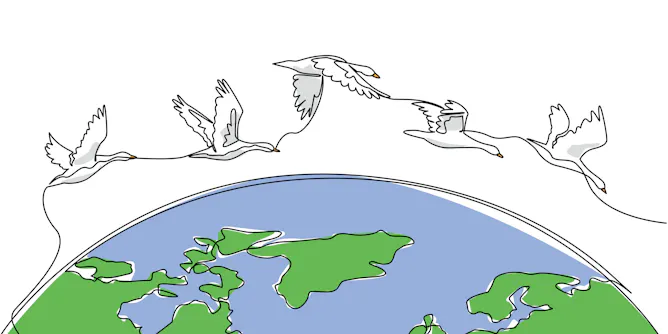
A recent study adds a sixth way animals may use magnetoreception.
Articles on Birds
Displaying 1 - 20 of 641 articles

El Niño can affect agriculture, marine life and economies in profound ways, including slowing commerce at the Panama Canal. This El Niño is likely to be the strongest in over a century.

You can have too much of a good thing.
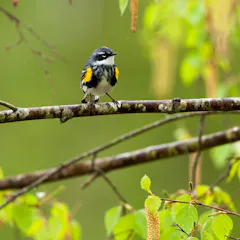
Tiny geolocators measure light levels and atmospheric pressure to reveal the migrations of small songbirds – including the yellow-rumped warbler, also known as a butter-butt – in unprecedented detail.
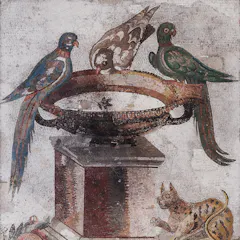
Greek and Roman writers were already asking how birds became sick, what signs to look for, and what could be done when disease appeared in them.
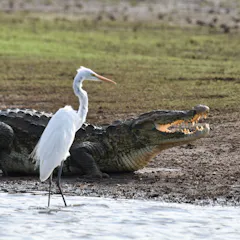
New research suggests crocodiles used to have hot blood and fast metabolisms, but gave it all up to lurk underwater waiting for prey.
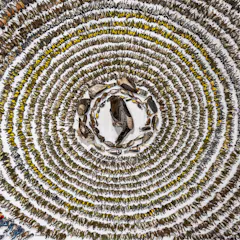
In Canada, tens of millions of birds are killed annually by crashing into glass on buildings.
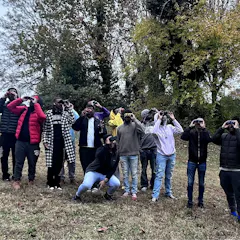
With social media communities and naturalist apps, birding is easier to get into than ever. A psychologist explains why it may also be just what the doctor ordered.
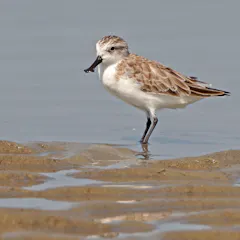
A new global assessment of the world’s migratory species finds reason for alarm, but also hope – and a road map for helping them survive.

Hummingbirds are responsible for some of the fastest evolution in the plant kingdom.
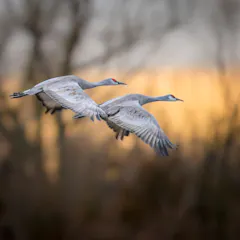
Birds that migrate longer distances are the ones having the most trouble keeping up with climate change.
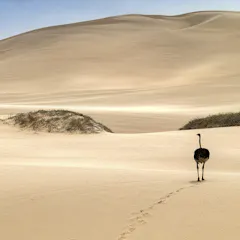
Scientists have extracted atoms from eggshells that are 15 million years old which reveal how plants responded to high levels of carbon dioxide.
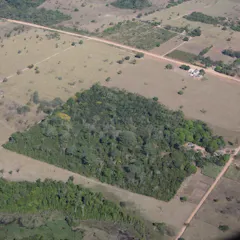
A new study shows that it is possible to increase the number of bird species in a forest fragment without increasing its size.
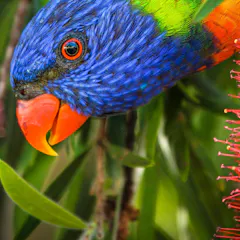
Long-term studies by citizen scientists help us understand changes in nature
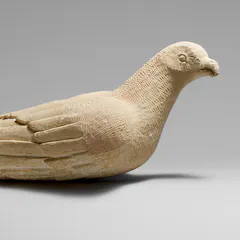
Why pigeons deserve more respect.
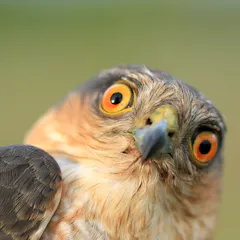
Some bird keepers have tried to drug their animals to stop them engaging in solo sex.
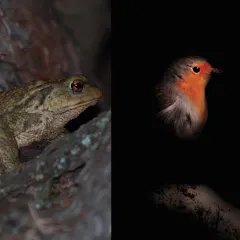
For biodiversity, it’s not just about switching off street lighting, it’s about knowing when and where to turn the lights off.

Road counts over 16 years revealed declines in populations of birds of prey in South Africa.
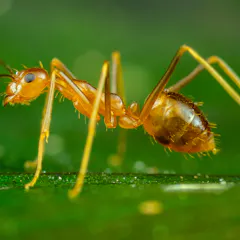
Biological invasions can severely harm the welfare of animals, causing them to suffer. AWICIS is a new framework that can be used to assess the severity of these impacts.
Who makes the best case?
Top contributors
-

Professor of Avian Behavioural Ecology, Macquarie University
-
Professor of Conservation and Sustainable Livelihoods, Charles Darwin University
-
Professor of Conservation Biology, Charles Darwin University
-
Postdoctoral Fellow, Australian National University
-
Emeritus Professor in Animal Behaviour, University of New England
-
Professor in Conservation Science, School of the Environment, The University of Queensland
-
Senior Research Scientist, South Australian Museum; Flinders University
-
Researcher, School of Life and Environmental Sciences, Deakin University
-
Distinguished Professor of Ecology, Fenner School of Environment and Society, Australian National University
-
Associate Professor, FitzPatrick Institute of African Ornithology, University of Cape Town
-
Adjunct Lecturer/ Ecologist, University of New England
-
Professor of Environmental Management, The University of Queensland
-
Associate Professor in Vertebrate Palaeontology, Flinders University
-
Reader in Ecology and Conservation Biology, Manchester Metropolitan University
-
Professor of Evolutionary and Conservation Biology, Australian National University