
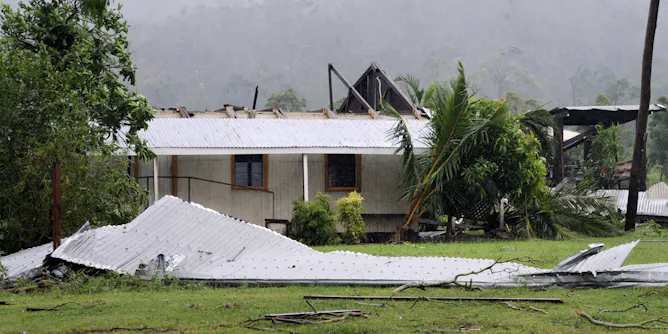
Most homes are not as cyclone-ready as they could be. It seems lower insurance premiums aren’t enough of an incentive for owners to upgrade their homes, but a new study points to some solutions.
Articles on Cyclones
Displaying 101 - 120 of 162 articles
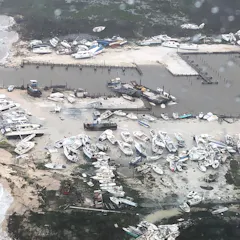
Hurricane Dorian has devastated the Bahamas, with the death toll expected to rapidly rise as rescue work gets under way.
At best, nuking a hurricane will do nothing, and at worst it will spread radioactive fallout around the world.
South Africa’s annual sardine run is occurring increasingly late, and there have been instances where it doesn’t happen at all. Here’s why.
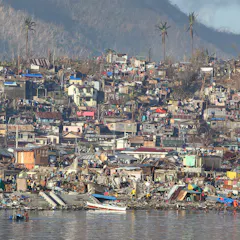
Half the deaths from Atlantic hurricanes are down to storm surge. People in vulnerable regions need to be aware of what it is and how it threatens their safety.

In 1887 Queensland’s chief weatherman Clement Wragge began naming tropical cyclones, using names from the Greek alphabet, fabulous beasts and politicians who annoyed him.
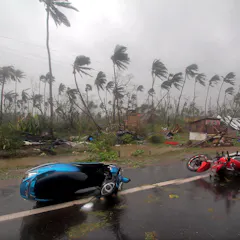
Thousands of lives have been saved thanks to an Indian state’s effective disaster-relief planning.
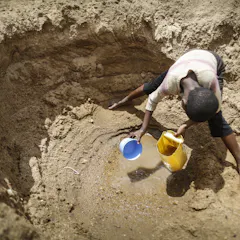
In recent years, the delay and failure of rains in Kenya has become a norm.
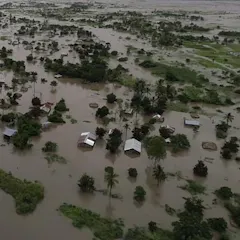
Climate change is making hurricanes more destructive, and may have boosted the intensity of cyclone Idai that hit Mozambique, Zambia and Malawi.
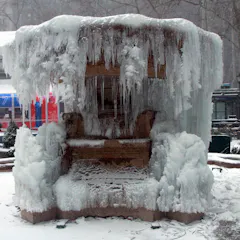
What raises a common winter storm to the level of ‘bomb cyclone’? It’s all about rapid, sharp changes in atmospheric pressure – and the scientists who coined the term meant to highlight their power.
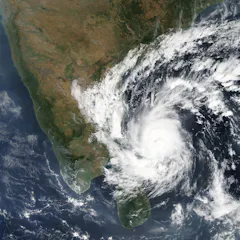
As global warming intensifies violent weather events, the most vulnerable countries affected need help to respond more effectively.

At a very simple level, “weather” refers to day-to-day conditions. “Climate” describes the average over many years.
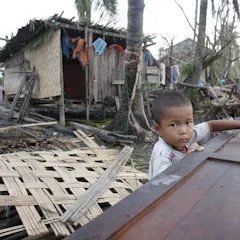
One hundred and forty thousand people died when a major hurricane hit Myanmar in 2008. Would the country be better prepared today?

An annual assessment of the health of Australia’s environment shows mostly stable conditions in 2017, but ecosystems on land and at sea suffered ever higher temperatures.
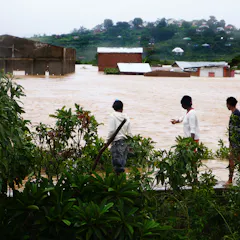
Madagascar gets hit by an average of four cyclones each year but their full impact is still being tracked.
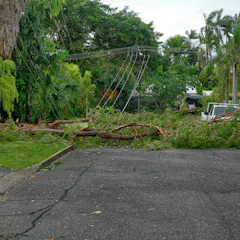
After Cyclone Tracy, you’d expect Darwin of all cities to be ready for the next one. But as the clean-up after Cyclone Marcus continues, it’s clear more must be done to increase the city’s resilience.
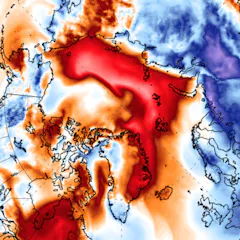
But it’s too early to tell whether climate change is to blame.
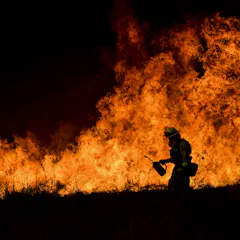
A survey of recent global trends in temperature and rainfall – and a lesson for Mr Trump on the difference between weather and climate.
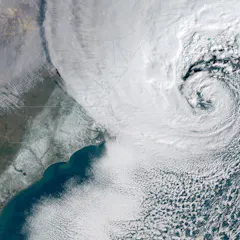
The US was hit by a ‘bomb cyclone’ last week, bringing icy cold and driving snow. These storms develop very rapidly, forming outside the tropics, typically on continental east coasts in winter.
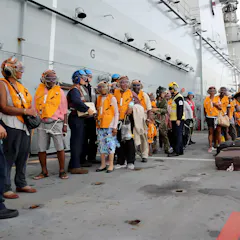
Promoting individual resilience will contribute to reductions in disaster threats for at-risk communities globally.
Top contributors
-

Adjunct Professor of Environmental Geography, CQUniversity Australia
-
Professor of Atmospheric Sciences, Monash University
-
Principal Research Scientist in Extreme Weather, The University of Melbourne
-
Professor of Physical Geography, University of the Witwatersrand
-
Professor of Disasters and Health, UCL
-
Adjunct Senior Lecturer, Centre for Disaster Studies, James Cook University
-
Professor of Physical Geography, James Cook University
-
ARC Future Fellow and Associate Professor in Climate Science, ARC Centre of Excellence for 21st Century Weather, The University of Melbourne
-
Adjunct Professor (Practice) in Climate Science, School of Earth, Atmosphere and Environment, Monash University
-
Assistant Professor, Université Mohammed VI Polytechnique
-
Honorary Professor of Hazards and Disaster Risk Sciences, University of Sydney
-
Climate scientist, Australian Bureau of Meteorology
-
Professor of Intersectional Justice, UCL
-
Postdoctoral research associate, University of Edinburgh
-
Senior Climatologist, Australian Bureau of Meteorology