

Keeping aging coal plants open, building new gas plants and choices about pollution controls affect electricity bills. Pollution adds health costs and climate damage that may not appear on those bills.
Articles on Data centers
Displaying 1 - 20 of 49 articles
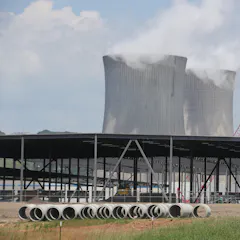
The Environmental Rights Amendment of the PA Constitution guarantees the right to clean air, pure water and to the preservation of the aesthetic values of the environment.
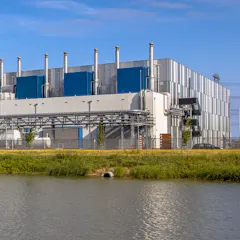
Piping water into the server halls could be a much more efficient way to remove waste heat.

Moving servers into the ocean does not make underlying environmental challenges disappear. And it creates new concerns as well.
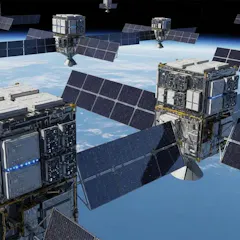
Proposals to put data centres in space have many hidden costs.
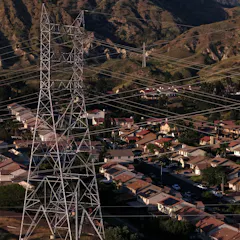
Courts have long let utilities seize private property to build transmission lines. Does that hold if the power flows to a single data center?
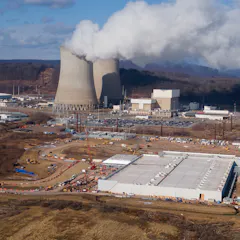
Amid growing political pushback against data center development, more evidence is emerging of their impact on local economies.
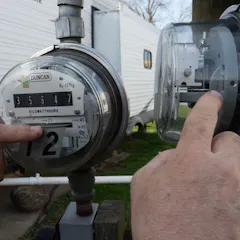
Setting a price for power might seem straightforward, but in reality it’s extremely complicated – and residential customers have very little influence in the decision.

Data center proposals are often local controversies with significant underlying principles at stake.

Local needs, political tensions and corporate power all get involved in the democratic processes by which Americans govern their communities.

Electric utilities don’t make money from selling power to customers, but instead profit from investments in power plants, wires, substations and other equipment.

A data center could get more solar power and be kept much colder in space, but it would be extremely difficult to repair and update.
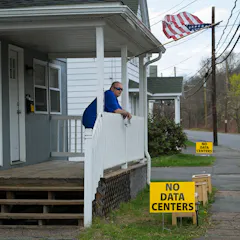
Communities across the state are demanding to know how proposed data centers would affect their electric and water bills, landscapes and quality of life.

Delivering on Ottawa’s AI for All strategy will require governments to build wraparound supports for workers, businesses and communities.
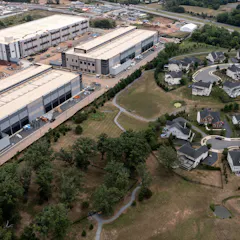
Even as they create and enable expansive virtual worlds, data centers are physical buildings in real communities around the nation and the globe.

Data centers need powerful chips, while smartphones need chips that are energy efficient. A supply chain scholar explains why chipmakers’ focus on the former comes at the expense of the latter.

Global digital infrastructure behind literally every modern service requiring data backup or authentification for example, is far more fragile than you’d think…
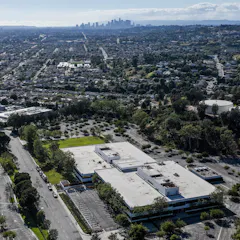
Two engineers explain how data center design, construction and operation can help the facilities support their communities.

The prospect of a massive IPO for OpenAI is about more than just a cash injection, it poses a broader ethical question: is market-driven AI a “safe” bet?

Commercial data centers have become critical infrastructure, supporting everything from financial transactions to government services. And critical infrastructure is often targeted in war.
Top contributors
-

Adjunct Professor of Law, Penn State
-
Director of Energy Studies, University of Florida
-
Professor and Director of the Center for Water Policy, School of Freshwater Sciences, University of Wisconsin-Milwaukee
-
Professor of Management, University of North Carolina – Greensboro
-
Professor of Architectural Engineering, Penn State
-
Associate Professor of Economic Geography, University of South Carolina
-
Associate Professor of Computer Science, Boston University
-
Postdoctoral Fellow of Business, Georgia Institute of Technology
-
Professor of Mechanical Engineering, Georgia Institute of Technology
-
Head of Art and Design, University of Hertfordshire
-
Assistant Professor of Law, University of Dayton
-
Associate Professor in Musicology, University of Oslo
-
Professor of Strategy, Loughborough University
-
Postdoctoral Associate, Massachusetts Institute of Technology (MIT)
-
PhD Candidate, Università di Bologna