
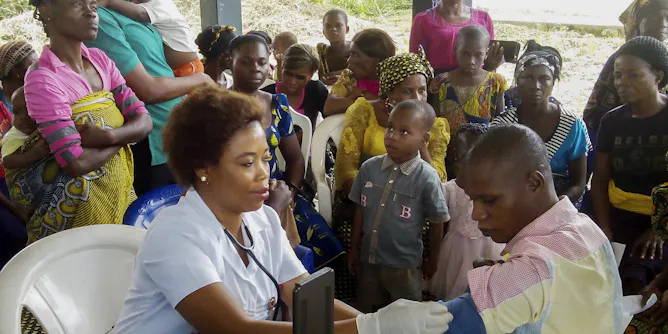
Climate change is anticipated to cause a rise in the incidence of several diseases in sub-Saharan Africa.
Articles on Dengue
Displaying 41 - 60 of 104 articles
There’s a big market for new treatments for TB, malaria and other ailments. But most of these diseases afflict low-income people unable to pay for medicine.
Mosquito-borne dengue virus returned to central Queensland after being absent for decades. But while most Australian cases involve travellers, this one is locally acquired.
Been on a tropical holiday? You might have brought home more than just a new sarong and extra colour in your cheeks – perhaps a mosquito that spreads dengue, or another known as ‘the BBQ stopper’.
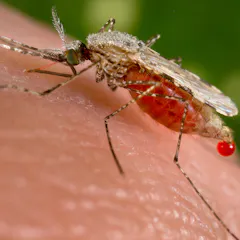
Researchers are exploring genetic forms of population control called gene drives that spread traits faster that happens naturally. The goal is to curb mosquito-borne diseases like malaria.
Genetically modified mosquitoes breed fear and suspicion, especially since the research happens behind closed doors, away from the public. Now scientists and architects are trying to change that model.
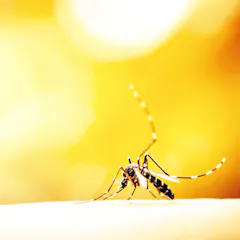
Is our changing climate making regions of the US more suitable for ticks and mosquitoes that spread diseases? Or is the climate changing human physiology making us more vulnerable?
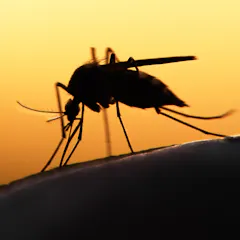
For several billion people mosquitoes are more than a nuisance – they transmit deadly diseases. Now genetic modification may prove the most effective defense against the mosquito, preventing disease.
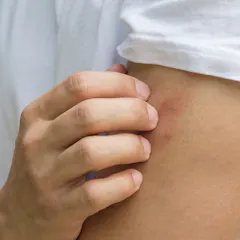
Mosquitoes are picky about who they bite but it’s not actually “us” that they’re smelling when they choose their next meal…
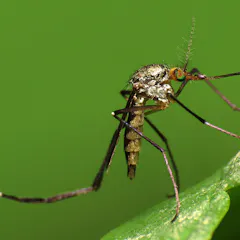
The collapse of Venezuela’s public health system has terrible consequences inside the country, but it also is giving rise to mosquito-borne viruses that could spread to nearby countries.
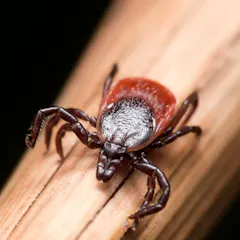
The CDC recently announced an uptick in diseases spread by vectors such as mosquitoes and ticks. Here’s why and what you can do to lower your risk.
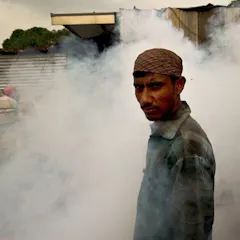
The spread of infectious diseases such as chikungunya is closely linked to urban mobility, yet small Indian cities could play a crucial role in the resilience process.
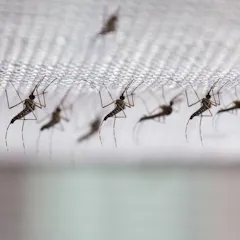
Kenya must establish policies to tackle dengue fever and chikungunya, like it did for malaria.
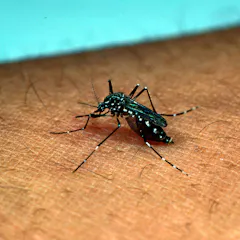
In the future, traps for mosquito that spread the dengue and chikungunya virus could be made from the carbon dioxide in human breathe as well as body odour.
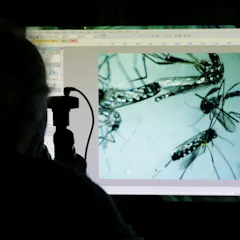
Vast amounts of standing water in Houston and other hurricane-flooded areas are dangerous not only because of toxins. The water is a dangerous breeding ground for mosquitoes that transmit Zika.
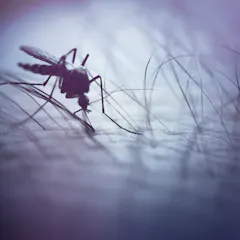
The World Health Organisation has pledged a long-term response to controlling the Zika virus because the threat is far from over
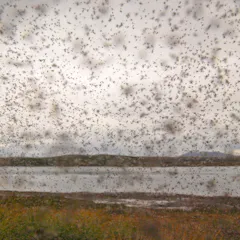
Wondering why the Good Lord gave Culicoides impunctatus to Scotland? This might be the best answer yet.
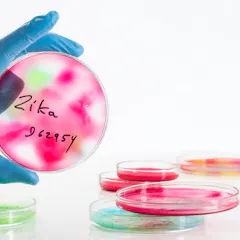
The 2015 Zika outbreak in South America brought the virus to global attention. But tracing the history of the virus in West Africa can give clues to tackling future outbreaks.
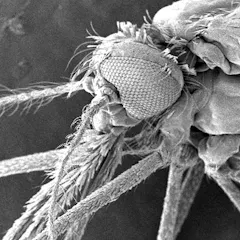
Several sites in the US are releasing bacteria-infected mosquitoes as a way to fight mosquito-borne viruses that threaten people. What’s the science – and how well will it work?
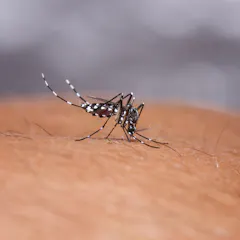
Early detection of dengue fever and access to proper medical care where the symptoms are treated is critical and lifesaving.
Top contributors
-

Clinical Associate Professor, School of Medical Science & Sydney Infectious Diseases Institute; Principal Hospital Scientist, University of Sydney
-
Medical Entomologist at the School of Biological Sciences, University of Nairobi
-
Professor, The University of Queensland
-
Medical Entomologist, The University of Queensland
-
Dean Students, College of Health, Adelaide University
-
Scientific Citizenship Initiative Advisor and Center for Bioethics Lecturer, Harvard University
-
Ph.D. Student and Transdisiplinary Biomolecular and Biomedical Sciences Fellow, Florida International University
-
Professor of Parasitology and Epidemiology, Federal University of Agriculture, Abeokuta
-
Principal Medical Scientist and Head of Laboratory for Antimalarial Resistance Monitoring and Malaria Operational Research, National Institute for Communicable Diseases
-
Medical scientist, National Institute for Communicable Diseases
-
Lecturer (University of Tasmania), University of Tasmania
-
Group leader, University of Leeds
-
Professor of Entomology and Disease Epidemiology, Penn State
-
Senior Lecturer in Parasite Epidemiology, School of Natural and Environmental Sciences, Newcastle University
-
Senior Research Fellow in Global Health, University of Southampton