

The man whose book outsold all others, except the Bible.
Articles on Development
Displaying 141 - 160 of 374 articles

The government has reportedly set aside 180,000 hectares of land for construction of a new capital in East Kalimantan.

Countries in Africa have some of the highest rates of entrepreneurship in the world, yet their contribution to the economy is limited. Technology such as the blockchain, drones and AI could provide a way forward.
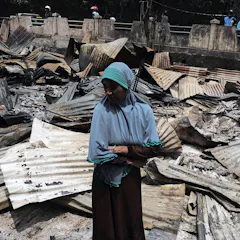
Adopting an inclusive development approach to the well-being of Papuans is the best solution to solve Papuan problems.

Environmental protections in Australia are built on assumptions about where animals live – and it’s harming our wildlife.
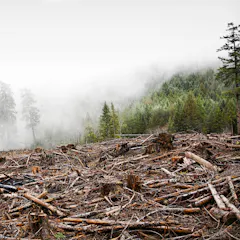
Doug Ford’s government is undercutting the environment by giving business and development the upper hand.

There is little evidence that pads alone will keep girls in school – stigma, lack of appropriate infrastructure, and embarrassment need to be dealt with too.

Protecting land from being developed intuitively may seem like a drag on local economies, but research in New England finds that it has the opposite effect.
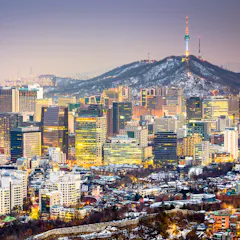
Why do some countries grow faster than others? Innovative local companies play a key role.
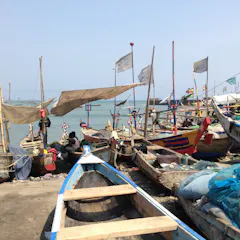
The proposal to redevelop Jamestown would not only occupy a prime site with historical significance, it would displace a large community along with their heritage, skills and traditions.

As the rich get richer in India, many voters seem willing to overlook their everyday struggles, hoping that the trickle-down effect of a “business friendly” government will help the overall economy.

A new study examined how growing numbers of single women in one of the world’s most expensive cities are contributing to its gentrification.
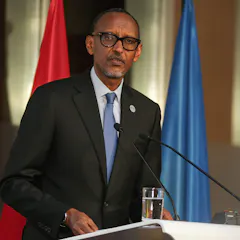
Rwanda is a paradox – a ‘development miracle’ and an authoritarian state.

Some of the best players in the world come from this small Caribbean nation, where an entire system of training young talent has blossomed. But few actually make it to the big leagues.
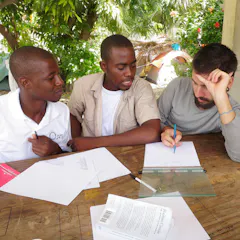
Scholars such as Alfred Sauvy, Jean-Pierre Olivier de Sardan and Frantz Fanon wrote in French, but their work greatly contributed to our understanding of democracy and social change in all contexts.
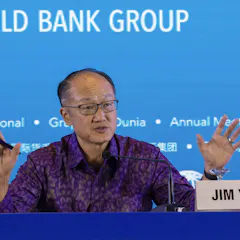
The power dynamics in the World Bank have changed dramatically.
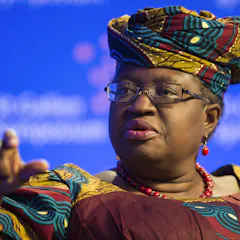
The World Bank needs to change as part of rethinking the current world order, and giving rising powers and developing countries a meaningful voice.
There is a plethora of highly troubling issues facing the global economy that are caused, in part, by globalisation.
Climate change is a serious threat now for poor people in developing countries, but the COP24 conference in Poland offered them little hope of near-term emissions cuts or economic aid.

Sovereign access to the Pacific would bring Bolivia significant economic benefits.
Top contributors
-

Distinguished Research Professor and Australian Laureate, James Cook University
-
Associate Professor, Florida Institute for Built Environment Resilience, University of Florida
-
Associate Principal Research Fellow, Burnet Institute
-
Professor of Economics, University of Copenhagen
-
Professor of African and Development Studies, University of Edinburgh
-
Lecturer in Human Geography, University of Salford
-
Professor of Sustainability, Azim Premji University
-
Lecturer in Economics, University of the Witwatersrand
-
Professor of World Politics, SOAS, University of London
-
Economist, UNSW
-
Sr. Associate Vice President for Research and Research Professor, University of Oregon
-
Senior Lecturer, Griffith Law School, Griffith University
-
Senior Lecturer, International Development and NGO Management, University of East London
-
Professor: International Business & Strategy, Wits Business School, University of the Witwatersrand
-
Reader in Development Economics, University of Manchester