
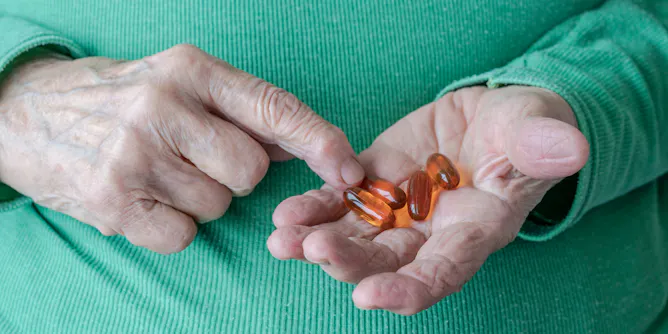
A century after liver was found to treat pernicious anaemia, scientists are still uncovering how vitamin B12 helps blood, nerves and cells.
Articles on Dietary supplements
Displaying 1 - 20 of 37 articles
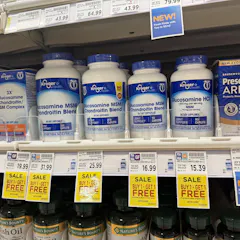
Animal experiments and analysis of patient records suggest that taking glucosamine is safe for a healthy brain but is associated with further decline in diseased brains.
You can buy probiotics and prebiotics at the supermarket or pharmacy. But do they help your gut? Or are we better off eating fermented food such as cheese or kimchi?

Iron deficiency is often dismissed as stress or tiredness in teenagers.

Most of what we know about the health impact of sea moss comes from studies in cells and animals, not humans.

There’s a widespread argument that ‘poachers’ are responsible for the scarcity of wild ginseng. But a scholar who has interviewed diggers explains that most of them are good stewards.

Apart from folic acid and iodine, other supplements may not be needed. For the most part, they’re a waste of money. At worse, they could harm.

Studies show a parent’s poor diet could affect the genes of generations to come – and set up children and grandchildren for obesity and cardiovascular issues.

There’s more evidence for beetroot helping to lower your blood pressure or improving athletic performance. Here’s how to get more beetroot in your diet.
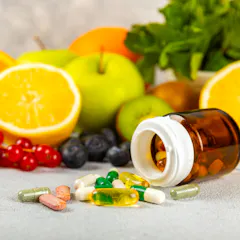
‘Natural’ isn’t the same thing as healthful. You can have too much of a good thing, and taking action can be worse than doing nothing.
A daily fibre supplement improved brain function in twins over 65s in just 12 weeks.

Although most Americans believe dietary supplements are safe, these products often make health claims that are unproven or downright false.
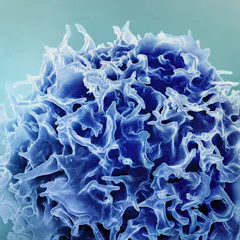
Dietary supplements claim to be able to ‘boost your immune system’ to combat disease. But attaining immune balance through a healthy lifestyle and vaccination is a safer bet to keep in good health.
If you try supplements, you still need to eat a healthy diet, exercise, reduce your stress, quit smoking and get enough sleep. Even then, they may still not be enough.
Sales of vitamins are booming in pandemic times. But is there any evidence that vitamin and mineral supplements can protect you from COVID or help you recover from infection?
Products aimed at sexual dysfunction and weight loss were the most common dietary supplements that contained hidden – and potentially harmful – ingredients.
The FDA has largely lost its ability to regulate the myriad pills, powders and potions that promise to grow muscle, shed body fat and improve your focus.
The FDA recalled commonly used heartburn and ulcer medication ranitidine in April 2020. But new research suggests less reason for alarm.
CBD may not be a panacea for your aches and pains – and it certainly isn’t for COVID-19.
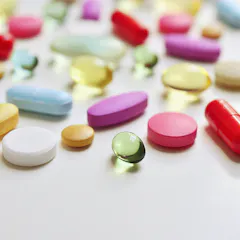
Americans love their supplements, but some of the products are contaminated with heavy metals, bacteria and toxic fungi. The FDA has little control because of a law passed in 1994.
Top contributors
-

Distinguished Professor of Pharmacy Practice, University of Connecticut
-
Professor of Community Health and Wellbeing, The University of Queensland
-
Professor of Biochemistry, University of Aberdeen
-
Research Director, Graduate Medical Education, George Washington University
-
Accredited Practising Dietitian and Lecturer, Southern Cross University
-
Associate Professor, Human Molecular Nutrition, University of Newcastle
-
Associate Professor, Deakin University
-
Chair of the University of Sydney Cancer Research Network and Associate Dean of Research at the Sydney Medical School, University of Sydney
-
Postdoctoral research fellow, South Australian Health & Medical Research Institute
-
Professor and Theme Leader, Healthy Mothers, Babies and Children , South Australian Health & Medical Research Institute
-
Associate professor and Royal Society Research Fellow, Department of Psychiatry, University of Oxford
-
Professor of Nutrition Research in the School of Biomedical Sciences and Pharmacy; Director, Clinical Nutrition Research Centre, University of Newcastle
-
Professor of Dermatology, The University of Melbourne
-
Laureate Professor in Nutrition and Dietetics, University of Newcastle
-
Associate Professor and Senior Specialist Endocrinologist, Adelaide University