

Magnesium is important for hundreds of processes in the body.
Articles on Supplements
Displaying 1 - 20 of 98 articles

Taking a supplement at the right time may improve absorption, although need, dose and possible medicine interactions come first.

Research has moved past the question of whether we can live longer. The new question is whether we’re willing to invest — seriously, equitably and early — in the things that will help us live better.

Magnesium supplements generally benefit people suffering from deficiency.

A major review of 69 trials finds calcium and vitamin D supplements do little to prevent fractures or falls.

Researchers need more than memory tests to assess whether supplements affect the brain.
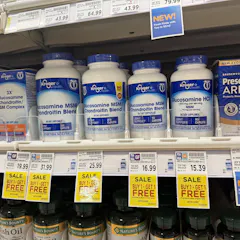
Animal experiments and analysis of patient records suggest that taking glucosamine is safe for a healthy brain but is associated with further decline in diseased brains.
NAD+, NMN and resveratrol are marketed as anti-ageing breakthroughs, but human evidence remains mixed and incomplete.

B12 is vital for red blood cells, nerves and DNA, but unexplained high levels may point to an underlying health problem.

Before taking supplements, older adults should consider diet, medication, appetite, oral health and blood test results.

The internet is awash with claims about injectable peptides for fitness, but there’s almost no human research showing they work or are truly safe.

Grey-market peptides are becoming mainstream, but evidence of their effectiveness is thin or non-existent.
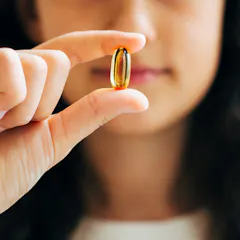
Omega-3s appear to help muscles recover more efficiently after workouts.

Magnesium, lion’s mane, creatine and collagen are marketed for perimenopause and menopause symptoms. But the evidence shows their benefits may be overstated.

A major review suggests collagen supplements may genuinely work, but the science is messier than the wellness industry would have you believe.

Will vitamin C supplements do you any good and help with these conditions? Here’s what the evidence says – and what to look out for.
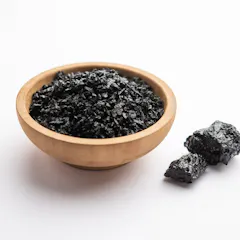
Shilajit has been used for thousands of years in Ayurvedic medicine, but are modern proponents right to claim that it raises testosterone levels?

Vitamin D plays an important role in our health.

Because we can’t make enough omega-3s on our own, we need to get them from food or, sometimes, supplements.

Postbiotic supplements may sound appealing, but science has not yet caught up with marketing.
Top contributors
-

Laureate Professor in Nutrition and Dietetics, University of Newcastle
-
Professor of Pharmaceutical Chemistry, Macquarie University
-
Program Director of Nutrition and Food Sciences, Accredited Practising Dietitian, Adelaide University
-
Associate Professor in Pharmacy Practice, Kingston University
-
Associate Professor of Medical Education, University of Nottingham; University of Lincoln
-
Professor, Kinesiology, Tier 1 Canada Research Chair in Skeletal Muscle Health, McMaster University
-
Professor of Genetic Epidemiology, King's College London
-
Professor of Nutritional Physiology, Anglia Ruskin University
-
Vice Chancellors Senior Research Fellow in Immunology, RMIT University
-
Senior Lecturer in Cancer Biology & Clinical Biochemistry, Kingston University
-
Professor of Nutritional and Genetic Epidemiology, Adelaide University
-
Distinguished Professor of Pharmacy Practice, University of Connecticut
-
Distinguished Professor, Professor of Immunology, RMIT University
-
Associate Professor in Biology and Biomedical Science, Aston University
-
Pharmacist and Lecturer, UNSW ; University of Sydney