

A Danish trial found small memory gains at age ten, but no rise in intelligence and does not support a high-dose routine in pregnancy
Articles on Vitamin D
Displaying 1 - 20 of 85 articles
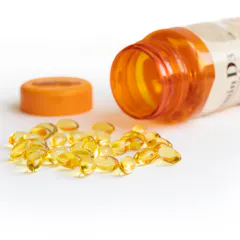
A major review of 69 trials finds calcium and vitamin D supplements do little to prevent fractures or falls.

This vitamin plays a crucial role in maintaining overall health. But that doesn’t mean you need to take a supplement.

Hot flushes, night sweats or swinging mood changes can be debilitating. So it’s tempting to look to complementary therapies. Here’s what the evidence says.

There’s just about enough evidence to justify all the complaining.

Vitamin D plays an important role in our health.

Children’s supplements claim to support immunity, growth, or overall wellbeing. But what does the science say?

New research suggests yes, you may need to take a vitamin D supplement.
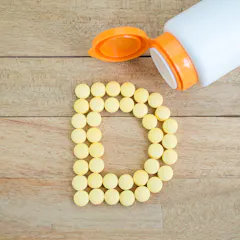
Vitamin D linked to healthier ageing through DNA protection, but experts caution against high-dose supplements.

Supplementing vitamin D in healthy people may boost immune response, but it can cause health problems.

Bone density is strongly linked to your risk of a fracture.

Our warm weather season is short, and it’s important to enjoy the outdoors. The point isn’t to be sun-scared — just stay sun-safe.

Vitamin D has long been known to play essential roles in boosting immune health and protecting the nervous system. New research now points to its critical importance in fetal development as well.

The dose and quality of over-the-counter products can vary significantly. But there is some evidence several supplements may help with mild to moderate depression.

While low levels of vitamin D are linked with increased risk of CRC, there are no definitive answers. Here’s what we know—and why lifestyle still matters most.

Because vitamin D plays a crucial role in many aspects of health and growth, inadequate levels can put children at risk of developing chronic disease early on.

Many Americans are deficient in vitamin D, vitamin B12 and omega-3 fatty acids, all of which affect energy levels.

Cold and flu viruses often circulate more in the fall and winter, but there are some time-tested strategies for avoiding them, such as vaccines, handwashing and staying active.

By 2030, more than 70 million Americans will have osteoporosis or low bone mass.

New guidelines recommend people aged 75 and older consider taking vitamin D supplements. Here’s why.
Top contributors
-

Professor of Epidemiology, Australian National University
-
Professor of Nutritional and Genetic Epidemiology, Adelaide University
-
Professor of Genetic Epidemiology, King's College London
-
Professor of Nursing, Purdue University
-
Professor of Respiratory Infection and Immunity, Queen Mary University of London
-
Professor and Senior Group Leader, QIMR Berghofer
-
Professor of Biochemistry, University of Aberdeen
-
Postdoctoral Researcher, Dermatology Research Centre, The University of Queensland
-
Adjunct Professor, School of Psychology, Curtin University and College of Health and Medicine, Australian National University
-
Professor; NHMRC Clinical Research Fellow; NICM Health Research Institute Deputy Director, Western Sydney University
-
Head, Department of Medicine, School of Clinical Sciences; Professor of Medicine, Monash University
-
Associate Professor in Biology and Biomedical Science, Aston University
-
Lecturer, The University of Western Australia
-
Professor, ARC Future Fellow & Founding Director, Sir Ian Potter NanoBioSensing Facility, RMIT University
-
Senior Research Fellow, Primary Health Care/Cochrane Airways Australia Coordinator, University of Tasmania